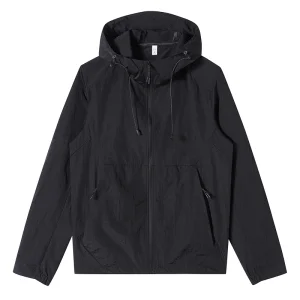
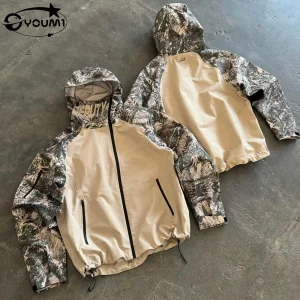
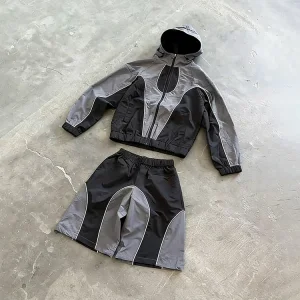
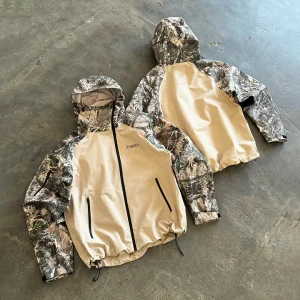
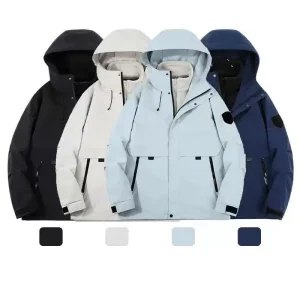
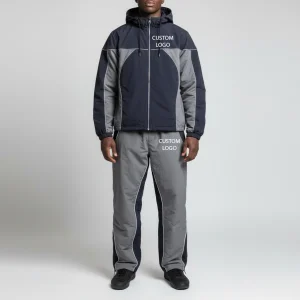
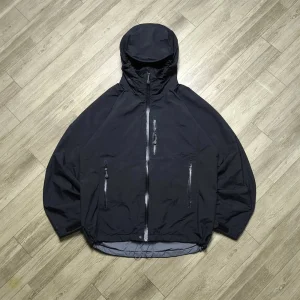
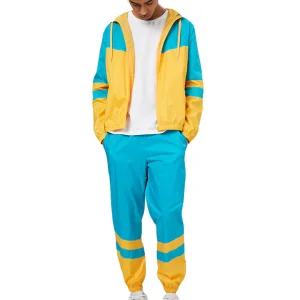
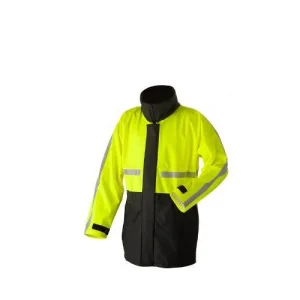
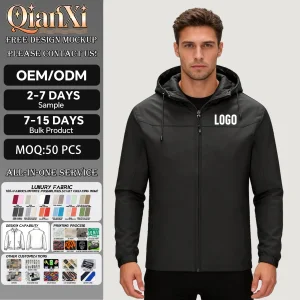
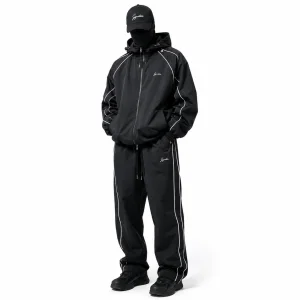
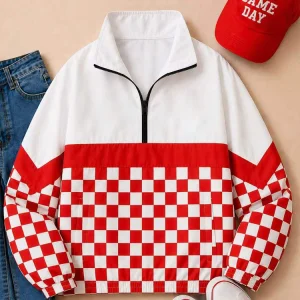
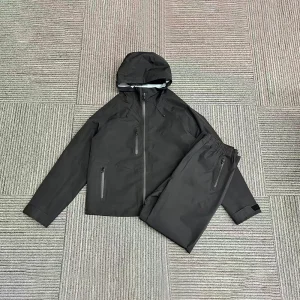
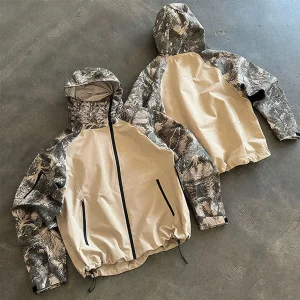
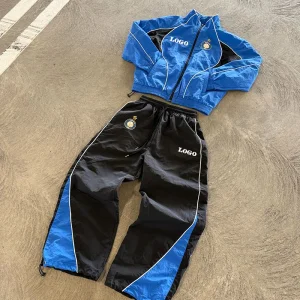
Explore our core product runs engineered for durability, weather defense, and custom branding.
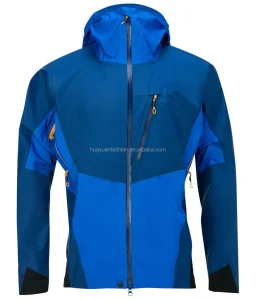
Dongguan Eglin Fashion Co., Ltd. is not just a traditional apparel manufacturer—it is a modern garment development and production partner built on the integration of aesthetic understanding, technical execution, and rapid response capability.
In an era driven by trends, noise, and overexposure, we choose to return to essentials: silhouette, proportion, and material integrity. We believe meaningful garments do not rely on loud statements, but on precision, restraint, and consistent design logic.
At Eglin Fashion, our philosophy can be summarized as: reduce excess, refine structure, and strengthen execution. Instead of layering unnecessary references, we focus on clarity in construction, fabric selection, and finishing details—ensuring every product communicates a coherent visual and tactile language.
We operate as a complete design-to-delivery ecosystem. The contemporary streetwear, premium sports, and outdoor brand environments demand quick adaptation without losing the architectural logic of high-performance windbreakers. We integrate pattern mechanics with supply chain resilience.
We function as a development system that bridges creative direction with scalable manufacturing. We translate the operational rhythm of contemporary brands into structured production logic:
Refining pattern-making to achieve balanced proportions, ergonomic motion range, and consistent fit performance across different human profiles.
Selecting materials based on weight, drape, texture, wind resistance, breathability index (MVTR), hydrostatic head rating, and brand positioning.
Utilizing strategic stitching, heat-sealed paneling, waterproof zips, reinforced bartacks, and custom laser-cut ventilation components for lasting durability.
Accelerating the path from CAD file or design sketches to physical 3D mockup, functional prototype, and graded bulk manufacturing.
The global windbreaker market is shifting from fast-fashion aesthetic shells to multi-functional high-performance apparel. As a premier windbreakers factory, Dongguan Eglin Fashion Co., Ltd. addresses several macro-industry challenges faced by brand managers, designers, and supply chain directors:
With global regulatory bodies clamping down on per- and polyfluoroalkyl substances (PFAS/PFOA) in water-resistant coatings, we have successfully migrated our material pipelines to eco-friendly PFC-Free DWR (Durable Water Repellent) solutions. Our raw material sourcing network ensures compliance with international environmental protocols without sacrificing water bead-off efficiency or tensile durability.
Traditional windbreaker factories face the limitation of either making a jacket waterproof but sweat-inducing, or highly breathable but vulnerable to storms. Through advanced polyurethane (PU) membrane lamination and micro-porous structure engineering, our custom outerwear provides over 10,000mm hydrostatic head protection while maintaining an MVTR score exceeding 10,000g/m²/24h.
We solve the fragmentation problem in custom apparel manufacturing. Brands often work with separate fabric mills, dye houses, trimming suppliers, and sewing factories. Eglin operates an integrated developmental network in Dongguan, consolidating weaving, dyeing, cutting, decoration, and inspection into a streamlined flow. This limits transshipment delays and lowers the baseline defect rate.
A windbreaker is only as dry as its seams. We utilize high-temperature seam sealing tape lines (using 2-layer and 3-layer tapes) matching the weight and flexibility of the shell fabric. This prevents water penetration along stitch points while maintaining fabric flexibility and preventing bulky, stiff joints that disrupt drape lines.
Navigating the regulatory landscape of multiple destination markets is vital for modern international brands. Eglin ensures that every production run meets the specific local import and consumer safety regulations of the target territories:
We provide complete material transparency to satisfy FTC labeling guidelines, including verified fiber content reports, country-of-origin tags, and flammability standards compliance (16 CFR Part 1610). Our textiles are tested for physical parameters like tear strength and colorfastness under ASTM protocols.
We ensure our chemicals, dyes, and finishes satisfy the restricted substances list outlined under the EU REACH regulation. Brands seeking European distribution can leverage our OEKO-TEX Standard 100 certified raw components and Global Recycled Standard (GRS) verified nylon/polyester lines.
Our logistics unit assists with harmonized tariff code classification (e.g., HS Code 6201 for windbreakers/jackets), ensuring smooth customs clearance. We support FOB, CIF, DDP, and EXW shipping terms, tailoring delivery solutions to match your domestic warehouse configuration.
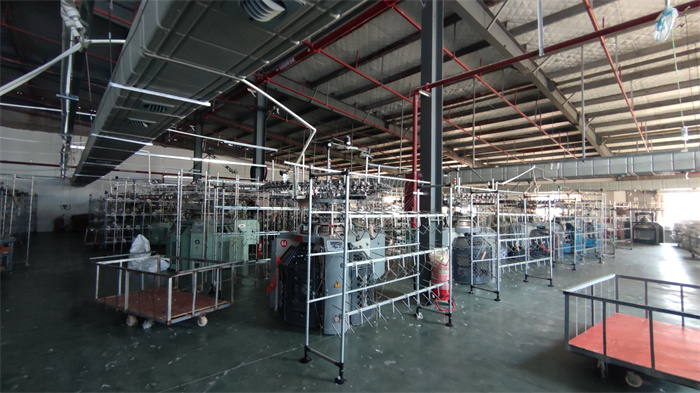
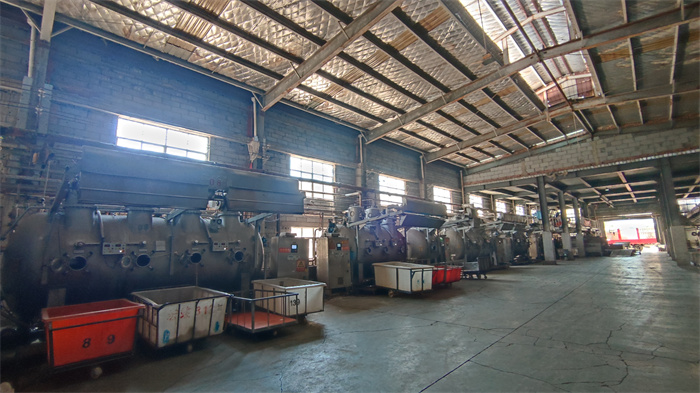
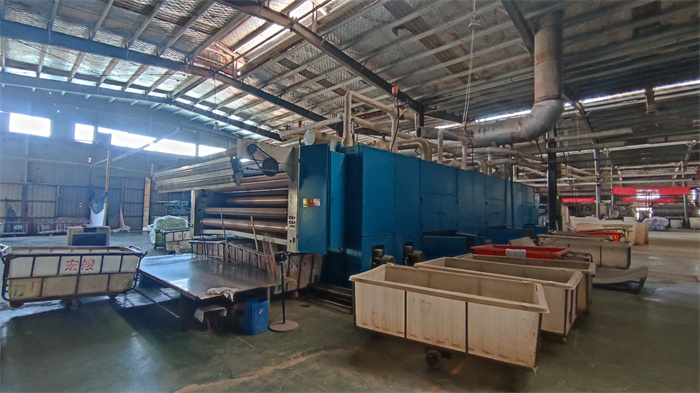
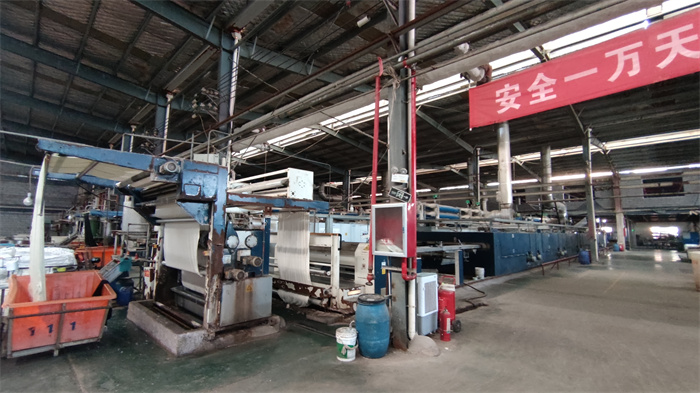
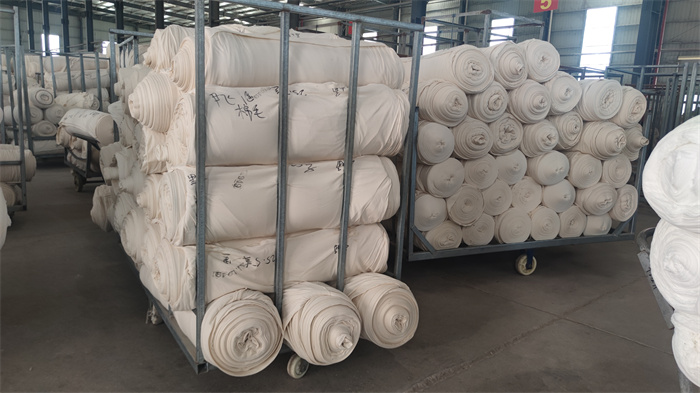
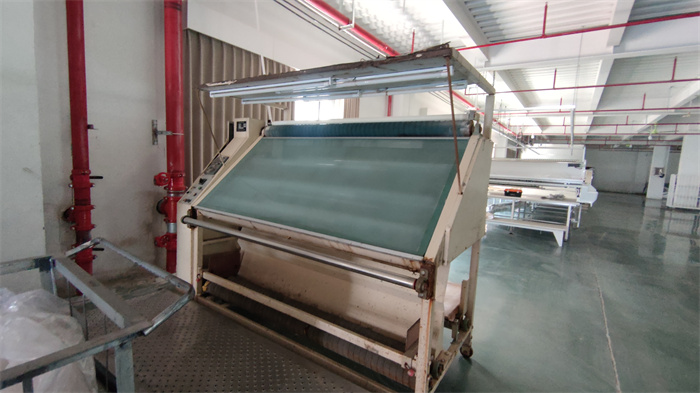
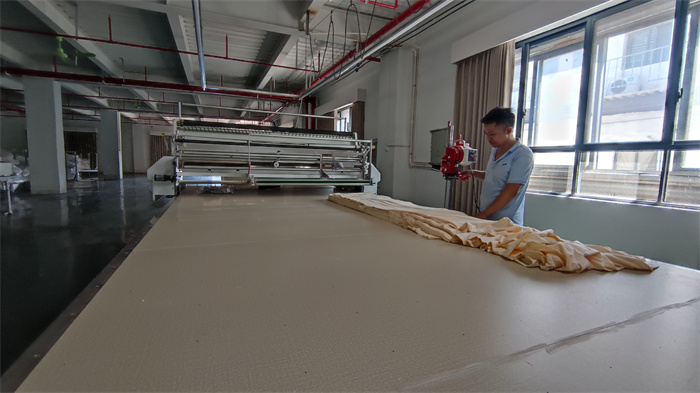
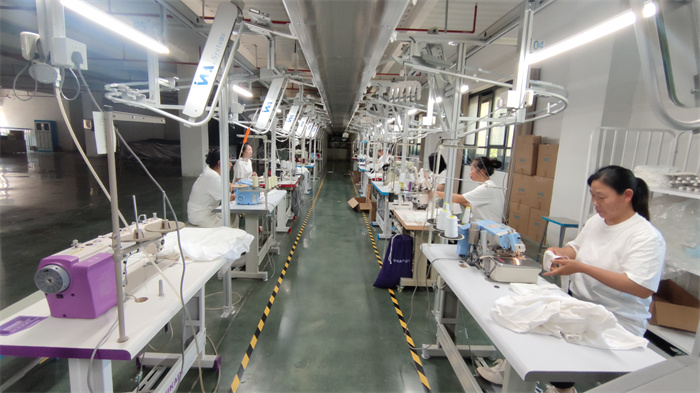
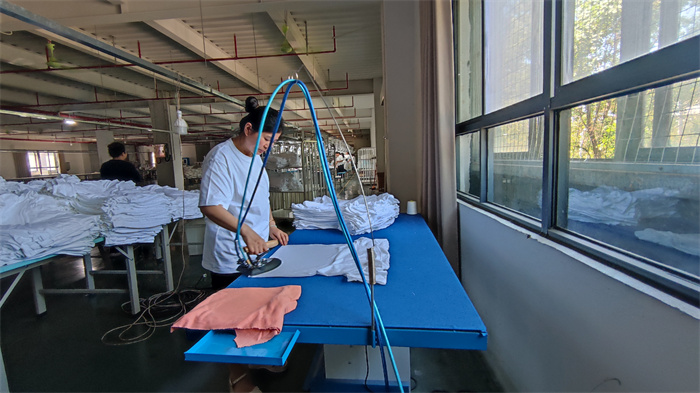
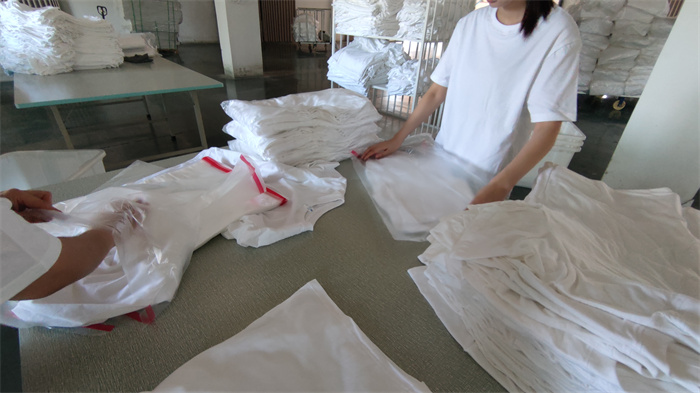
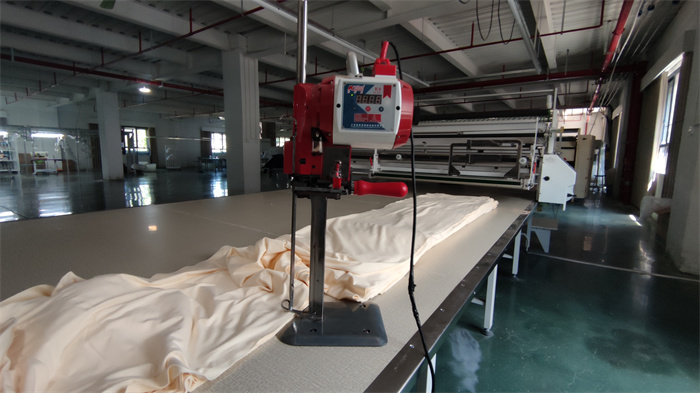
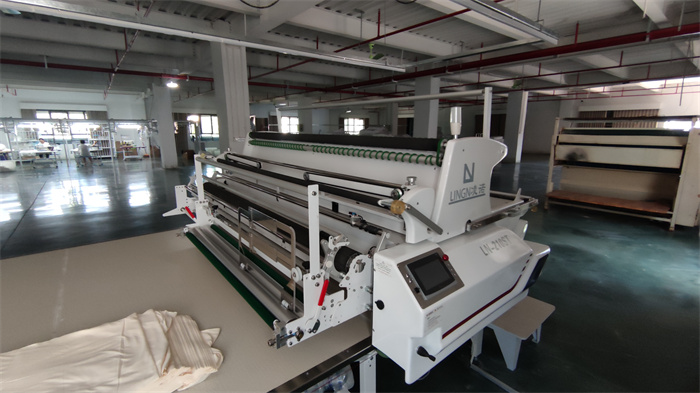
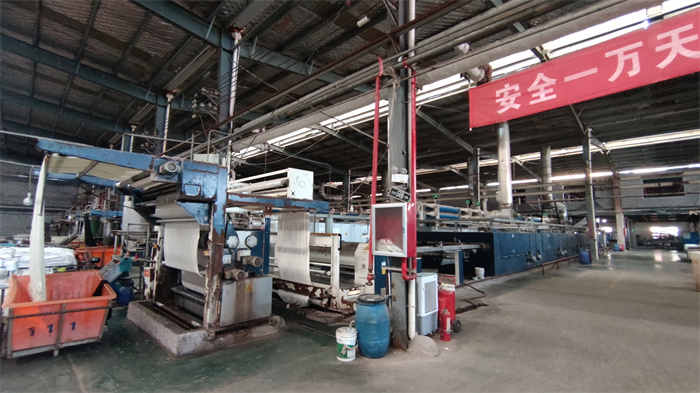
From raw yarn weaving to finalized garments, our production line showcases structural control at every junction. Below is a detailed view of our standard manufacturing steps:
A single design cannot meet every environmental requirement. We optimize physical attributes and visual shapes for specific usage profiles:
Engineered with high abrasion resistance, triple-layer lamination, helmet-compatible hoods, and optimized pocket positioning that remains accessible when wearing a backpack hip belt.
Focused on refined silhouette geometry, crinkle-nylon textures, industrial zip pathways, custom color blocking, and clean hidden seam construction suitable for high-end lifestyle brands.
Utilizing heavy wind-breaking density, high-visibility reflective elements, impact protection panel inserts, and dynamic pre-curved sleeves to handle speed wind-pressures.
Apparel engineering is rapidly evolving alongside advancements in materials science. We actively research and implement these emerging processing technologies:
Petroleum-derived synthetics are being phased out in premium sectors. Our technology path involves testing bio-based polyamides harvested from renewable resources like castor oil. These materials exhibit identical tensile durability and weight advantages to standard nylons while lowering the carbon footprint of each production cycle by over 30%.
Recyclability is hindered when a windbreaker uses a nylon shell, polyester mesh lining, and PU zipper. We are designing mono-material prototypes where the entire garment (mesh, shell, threads, and drawcords) is constructed from a single polymer family, enabling seamless end-of-life recycling without disassembly.
Future windbreaker fabrics will adapt dynamically to temperature changes. We are currently evaluating graphene-infused internal prints that conduct and distribute body heat evenly across the garment, reducing hot spots and eliminating the need for bulky insulation layers.
To completely remove stitching thread bulk and puncture points, our future assembly lines will rely heavily on ultrasonic welding and adhesive film bonding. This technique results in seamless joins that are completely waterproof, flatter than stitched seams, and highly resistant to mechanical wear.
We address critical questions commonly raised by brand operations directors, designers, and international trade professionals:
Browse our additional structural sportswear and technical windbreaker designs built for high-performance use cases.
 Eglin Fashion