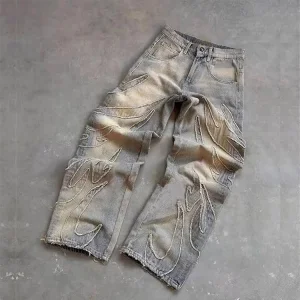
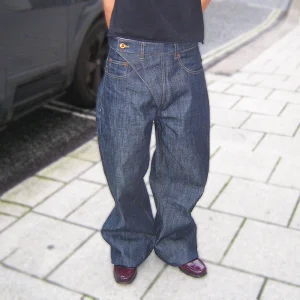
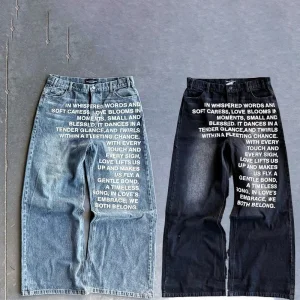
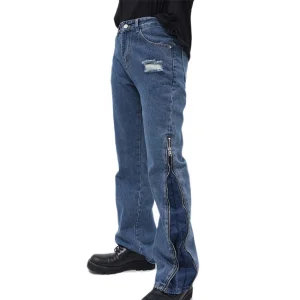
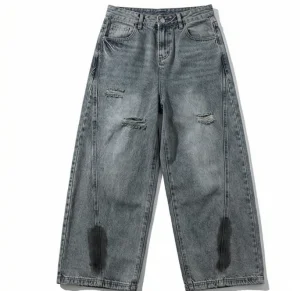
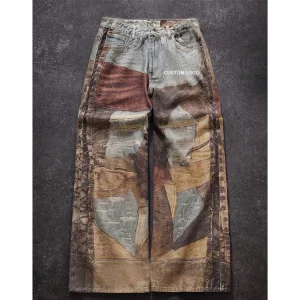
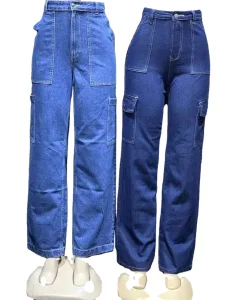
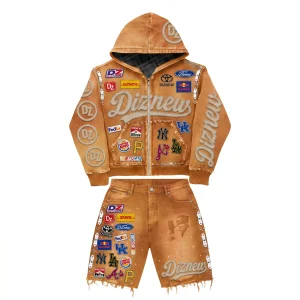
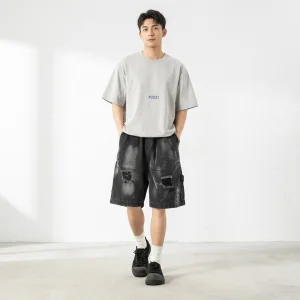
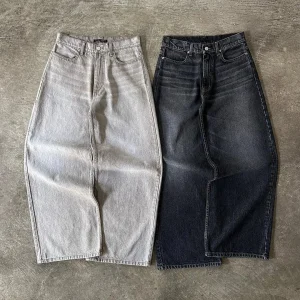
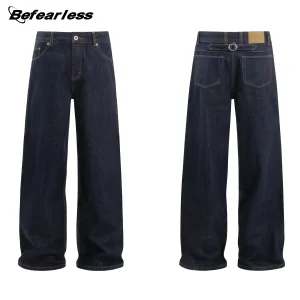
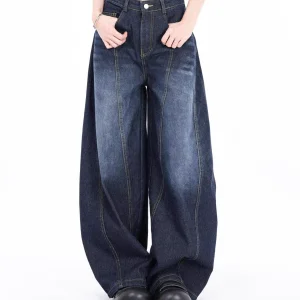
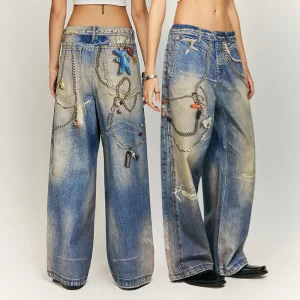
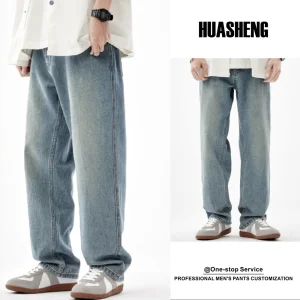
High-demand streetwear templates custom-engineered for European brands seeking robust structural fit and premium washing finishes.
The global denim market is undergoing an unprecedented structural transition. Modern retail models demand a dual focus: extreme operational agility and absolute supply chain traceability. Historically, Southern Europe—especially Greece—served as a crucial manufacturing and agricultural hub for cotton and garment production. While Greece remains the largest grower of raw cotton in the European Union (accounting for over 80% of European cotton production), the local apparel sector faces complex capacity constraints, driven by rising domestic operational expenses and a shortage of specialized machinery for advanced denim processing.
In response to these localized limitations, forward-thinking fashion brands in metropolitan hubs like Athens, Thessaloniki, and Patras are moving away from traditional, vertical local manufacturing. Instead, they are adopting hybrid sourcing structures that leverage the raw material power of Southern Europe alongside the technical superiority, efficiency, and automated infrastructure of specialized international partners like Dongguan Eglin Fashion Co., Ltd.
"To build a resilient denim line in today's market, Greek brands must combine Mediterranean aesthetic sensibility with the mechanical precision of global denim engineering centers. Relying solely on local production often results in higher costs and limited wash capabilities, whereas outsourcing without strict pattern oversight compromises the brand identity."
Globally, the demand for premium jeans is shifting toward heavy, authentic fabrics like selvedge denim, intricate wash techniques, and customizable hardware. Raw fabric intelligence is no longer optional. Consumer preferences in high-end resort boutiques across the Greek islands, as well as mainstream European streetwear retailers, have moved beyond generic stretch fabrics toward customized vintage, acid-washed, and relaxed Y2K profiles. To meet these aesthetic standards at scale, designers require direct access to advanced garment washing technology and highly precise cutting facilities.
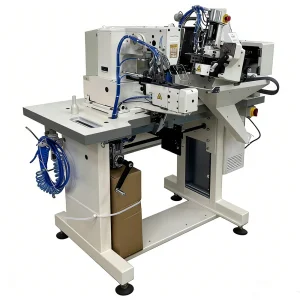
Why do leading Greek apparel entities turn to Chinese manufacturing clusters, specifically Dongguan? The answer lies in infrastructure density. In Dongguan, the garment manufacturing ecosystem is not just a collection of independent mills; it is a highly integrated, technology-driven production system. From computerized raw weaving to automated laser washing and automated pocket attachment, every link in the supply chain is optimized for speed, precision, and quality control.
At Dongguan Eglin Fashion Co., Ltd., we run a sophisticated garment development system that bridges the gap between creative design concepts and high-volume manufacturing. By integrating CAD-based silhouette engineering with advanced fabric intelligence, we minimize the typical friction that brands encounter during the prototyping phase. Our systems allow Greek apparel companies to rapidly scale production while maintaining tight control over fit, proportion, and finishing details.
This systematic approach is particularly valuable for independent labels, designers, and fast-growing lifestyle brands in Greece that want to capture the premium streetwear market without carrying the massive overhead of managing an in-house factory floor.
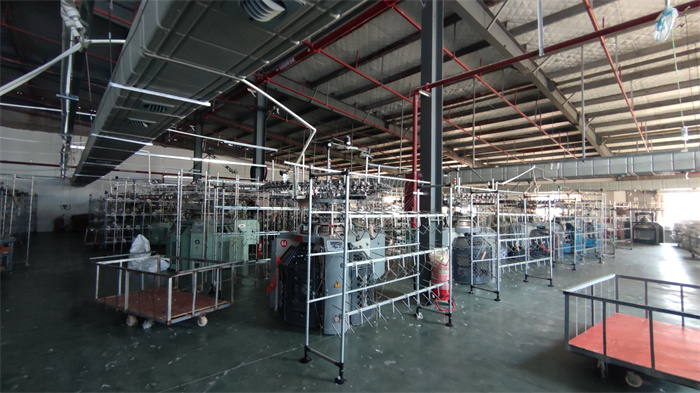
Every step in our denim factory is designed for maximum efficiency, absolute consistency, and compliance with rigorous international quality standards.
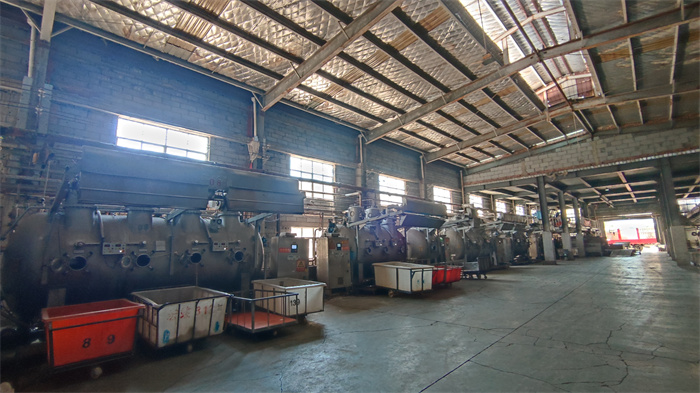
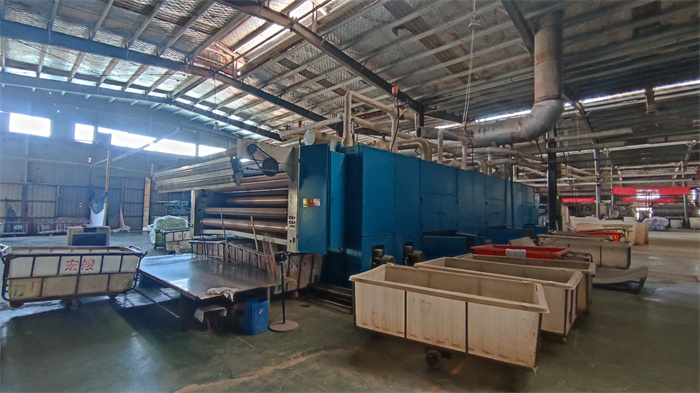
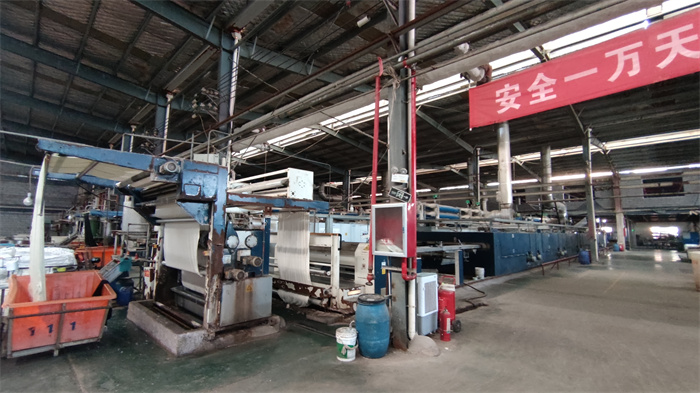
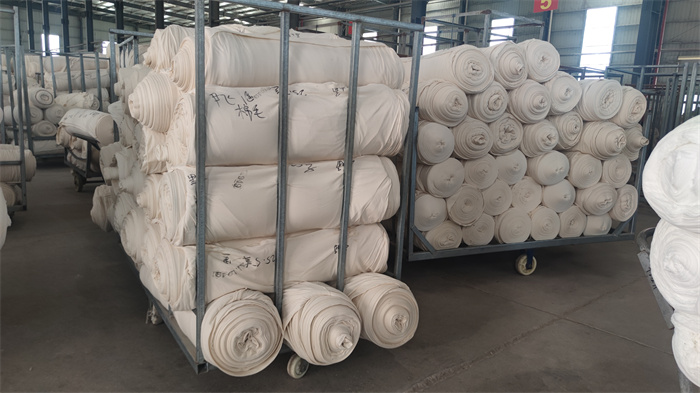
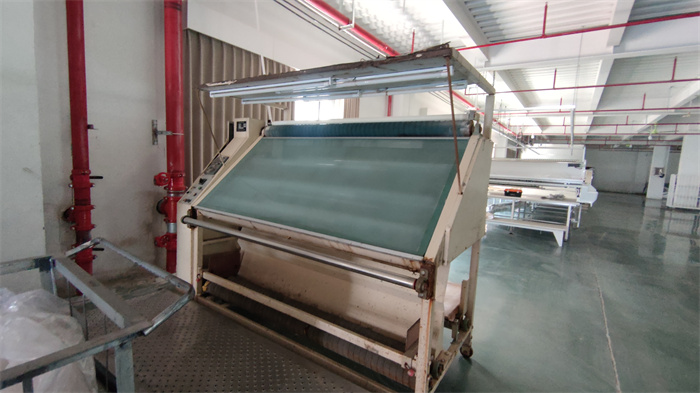
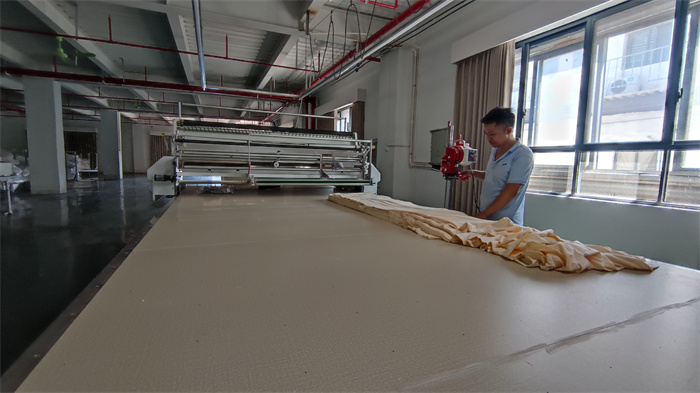
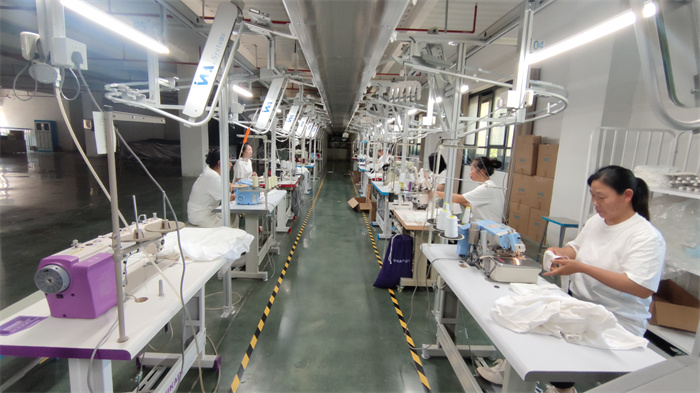
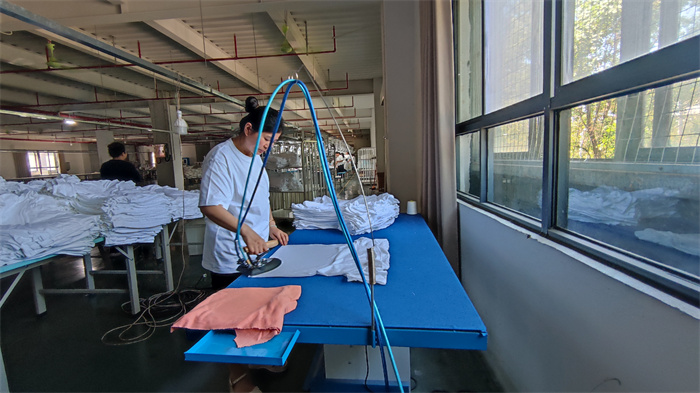
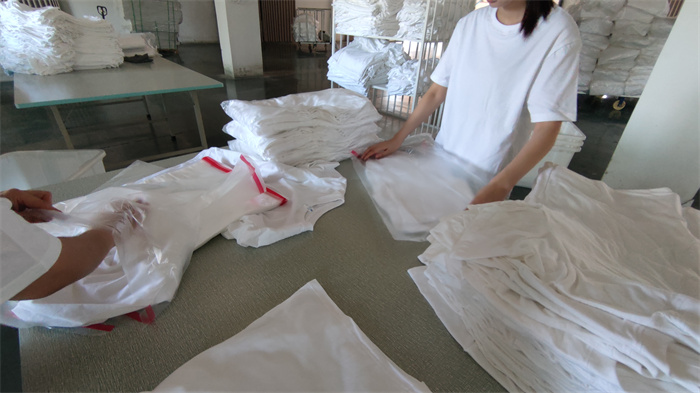
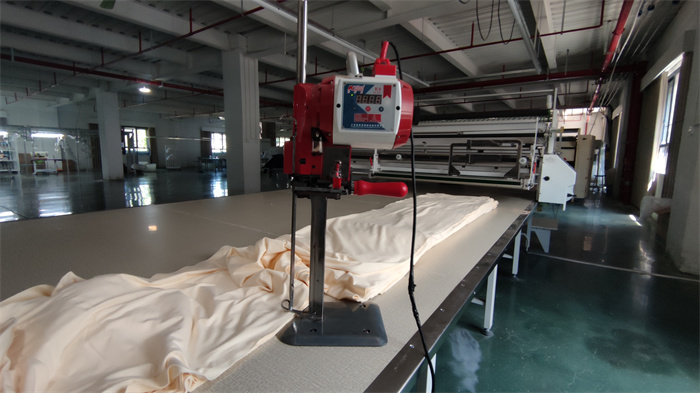
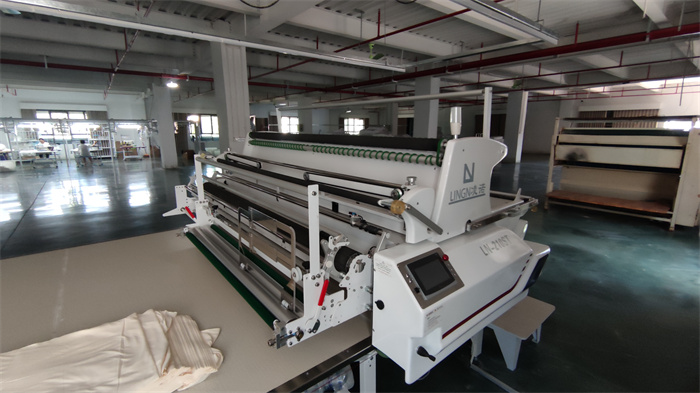
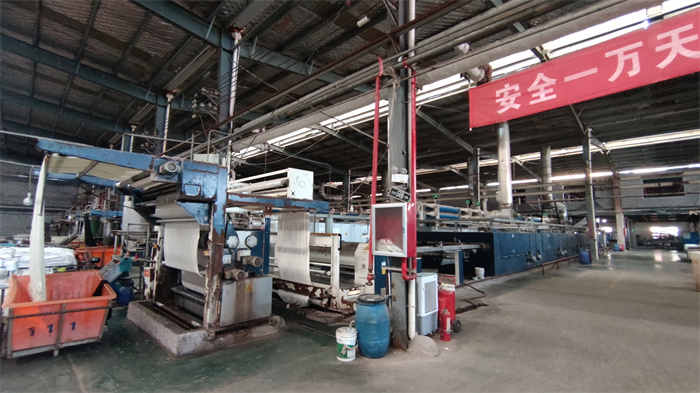
Denim demands vary significantly across Southern Europe. In coastal destinations like Mykonos, Santorini, and Crete, the hospitality and resort retail sectors require lightweight, breathable, and vintage-washed denim options. These garments must withstand warm climates, saltwater, and high-frequency washing while remaining comfortable for tourists. Conversely, urban centers like Athens and Thessaloniki drive demand for heavyweight, raw selvedge, and customized patchwork denim that fits modern, global streetwear aesthetics.
For brands targeting these distinct markets, success requires a highly responsive manufacturing strategy. Instead of placing massive, single-style orders that tie up capital, brands benefit from a system that offers versatile silhouette bases combined with flexible finishing options. This enables them to run small-batch drops tailored to specific regions, reducing deadstock risk and allowing them to test fresh trends quickly.
The global denim sector is moving toward clean, highly automated manufacturing. Key focus areas include water conservation during washing, energy-efficient drying, and automated stitching systems. At Eglin Fashion, we have integrated these priorities into our facility. Our automated loop-attaching and pocket-setting systems guarantee consistent stitch tension, while our advanced wash procedures minimize environmental impact, helping brands align with Europe's growing focus on eco-conscious fashion.
When selecting a denim supplier, global buyers should prioritize partners who offer complete material transparency, robust QA systems, and clean logistical routes to European ports like Piraeus. This ensures that the finished garments comply with local trade standards while arriving on time to meet seasonal demand.
Tailored garments featuring custom washing profiles, reinforced stitching, and unique details optimized for contemporary European boutiques.
Key insights for wholesale buyers, apparel brands, and sourcing agents planning denim production for the Southern European market.
High-turnover silhouettes with proven market appeal, optimized for quick re-ordering and consistent sizing across European markets.
 Eglin Fashion