Engineered for the demands of West Africa's leading fashion brands, boutique retailers, and bulk buyers.
The Federal Republic of Nigeria represents the largest consumer economy in Africa, characterized by rapid urbanization and a young demographic. Within this dynamic space, denim products have transformed from simple utility workwear into the dominant fabric of urban lifestyle expression. Across commercial hubs like Balogun Market in Lagos, the massive manufacturing clusters of Aba in Abia State, and the luxury boutique corridors of Abuja, the appetite for high-quality, durable, and stylistic denim has reached historic heights.
However, despite the immense consumer market, local jeans production in Nigeria faces structural barriers: unreliable power infrastructure, raw material bottlenecks in spun cotton processing, and limited specialized wet-processing (dyeing and washing) facilities. As a result, the Nigerian denim market relies heavily on a strategic combination of finished imports and key components, creating a massive opportunity for global partnerships that combine technological precision with localized customization.
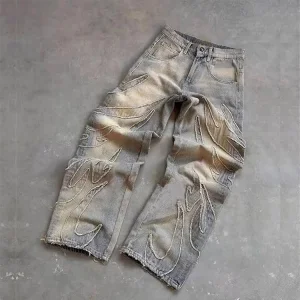
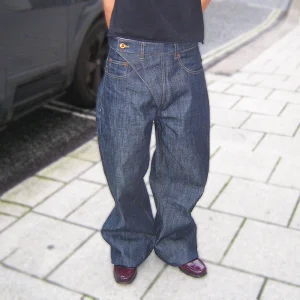
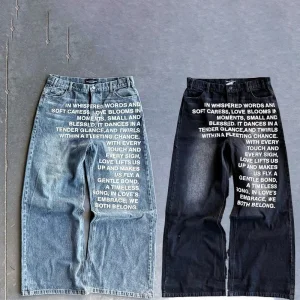
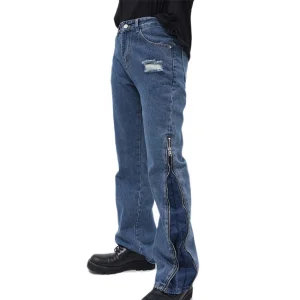
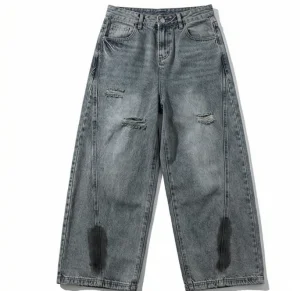
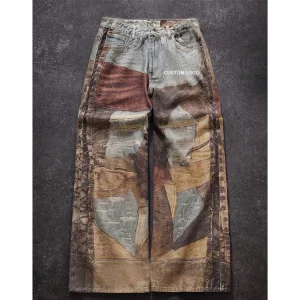
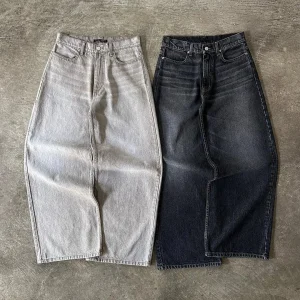
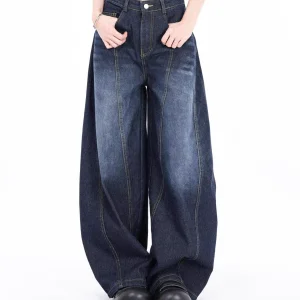
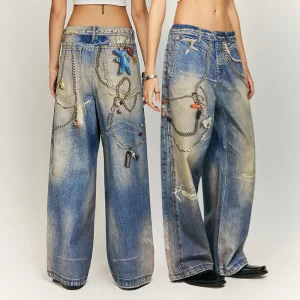
The youth culture in Lagos and other major cities like Ibadan and Port Harcourt is currently witnessing a renaissance. Driven by Afrobeats, local creators, and global digital integration, Gen Z and Millennial consumers in Nigeria demand distinct silhouettes—specifically baggy cuts, distressed aesthetics, gothic embroidery, and raw selvedge textures. For local brand owners, this means that standard, basic-cut imports no longer capture high margins. Successful retailers are shifting their focus to premium, high-margin, specialized denim garments with intricate wash effects and detailed construction.
For independent fashion labels and high-volume importers in Nigeria, inventory risk is one of the single biggest threats to business sustainability. Fluctuating exchange rates demand a highly responsive, short-lead production model that avoids capital ties in dead stock.
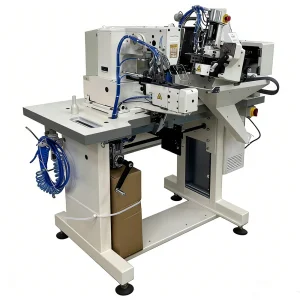
By leveraging China Factory 4.0 smart manufacturing principles, Dongguan Eglin Fashion Co., Ltd. integrates automation and real-time manufacturing adjustments to support international clients. Our advanced manufacturing system utilizes CAD-driven automatic cutters, digital pattern optimization, and programmable high-speed sewing machines (such as our 2-needle motor belt loop attaching machine) to minimize errors, maximize fabric yield, and slash sampling times.
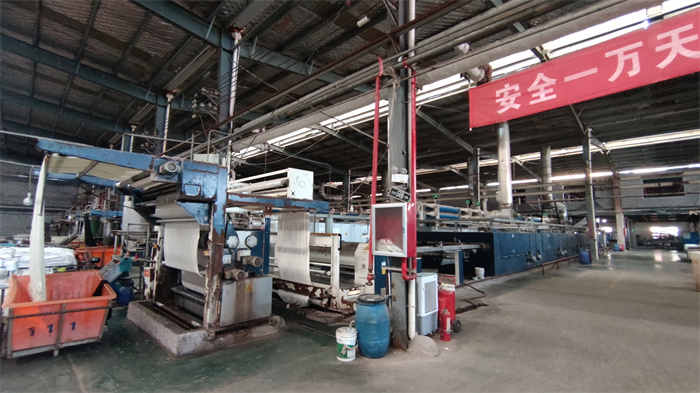
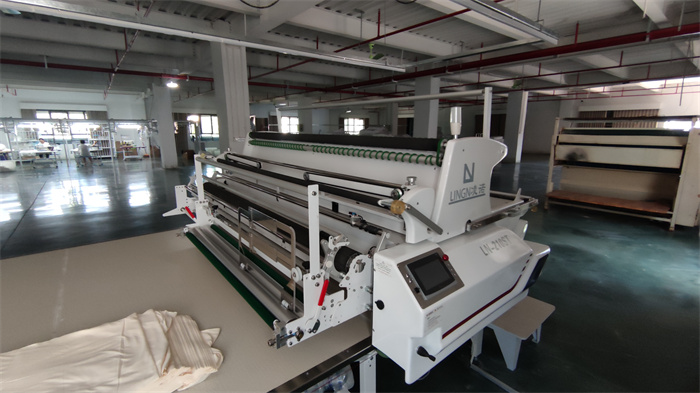
Eglin Fashion's High-Efficiency Cloth Shaping Production Line
A Garment Manufacturing & Development System bridging aesthetic integrity and execution.
Dongguan Eglin Fashion Co., Ltd. is not just a traditional apparel manufacturer—it is a modern garment development and production partner built on the integration of aesthetic understanding, technical execution, and rapid response capability.
In an era driven by trends, noise, and overexposure, we choose to return to essentials: silhouette, proportion, and material integrity. We believe meaningful garments do not rely on loud statements, but on precision, restraint, and consistent design logic.
At Eglin Fashion, our philosophy can be summarized as: reduce excess, refine structure, and strengthen execution. Instead of layering unnecessary references, we focus on clarity in construction, fabric selection, and finishing details—ensuring every product communicates a coherent visual and tactile language.
We function as a development system that bridges creative direction with scalable manufacturing, translating contemporary streetwear and brand visions into structured production logic:
For designers, founders, independent labels, and retail entities, we act as both a technical partner and an execution extension of their creative team. Our standard pipeline includes:
Every step in our production sequence is monitored for high compliance, durability, and texture consistency.
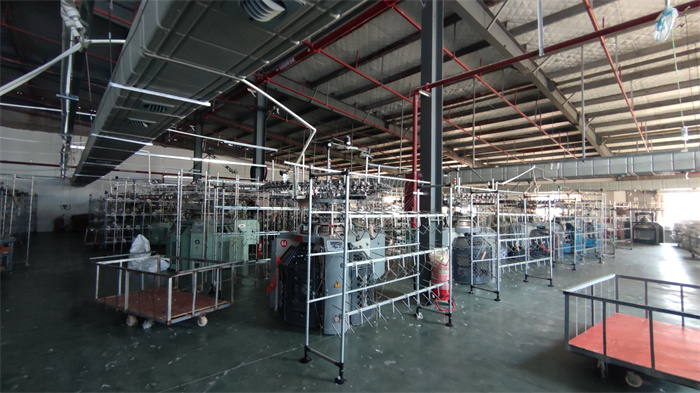
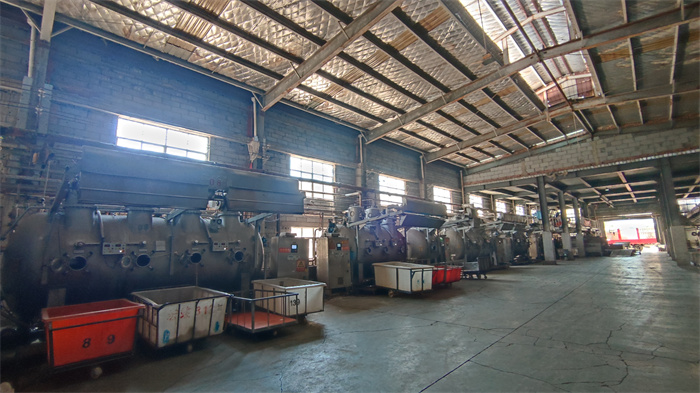
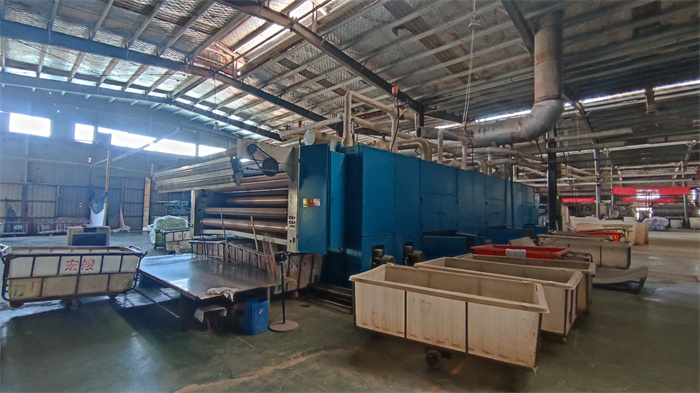
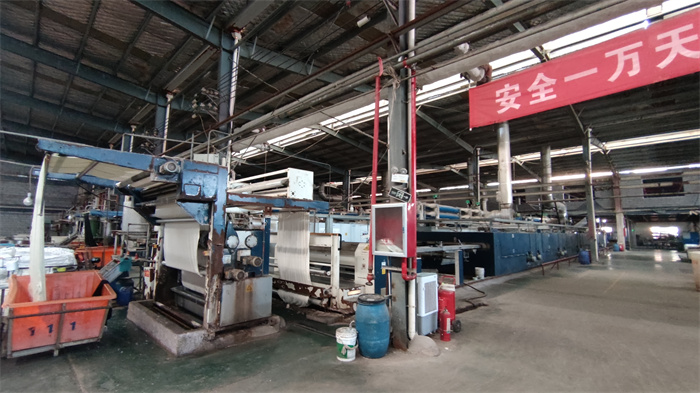
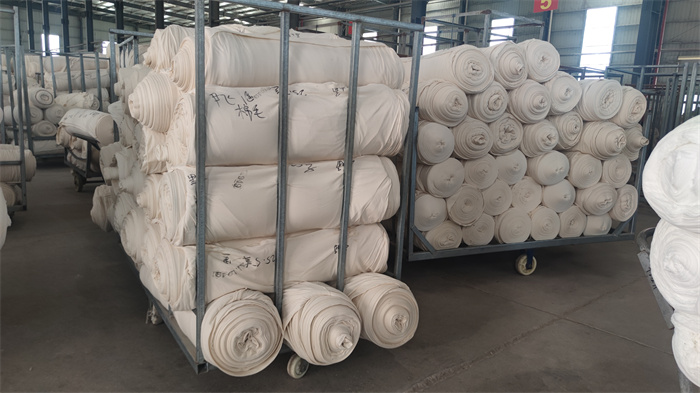
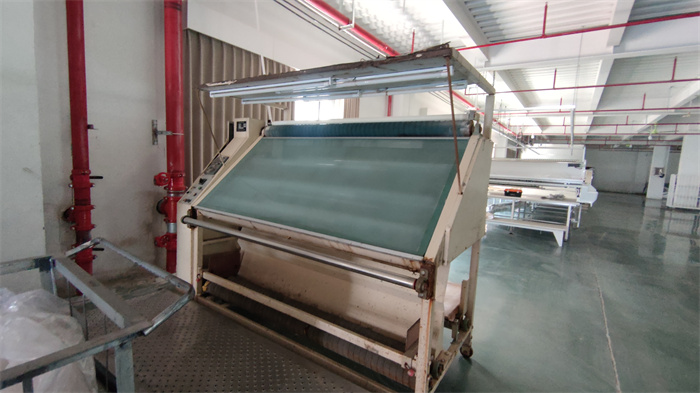
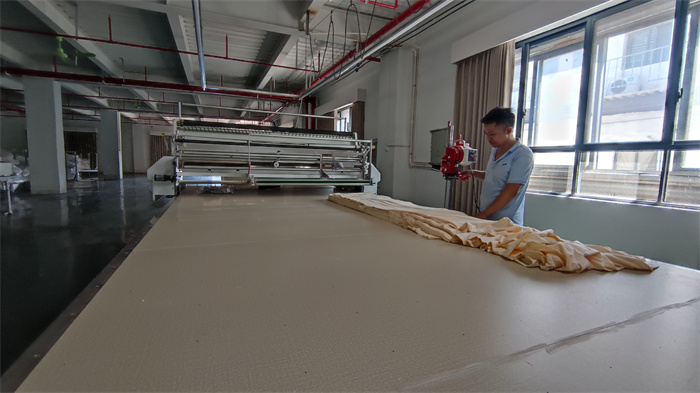
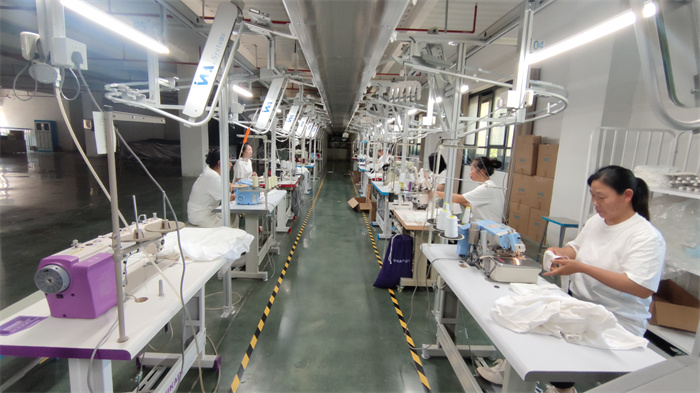
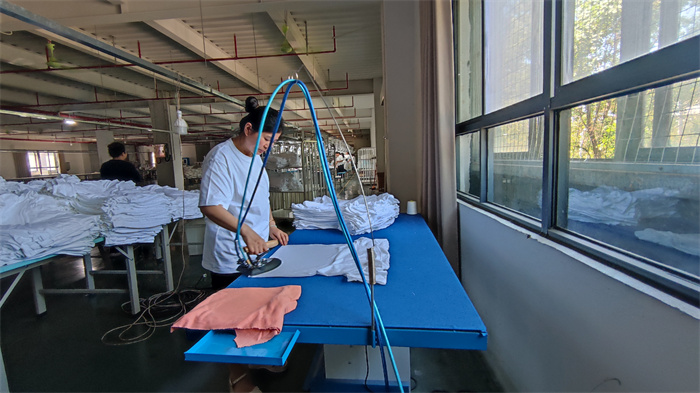
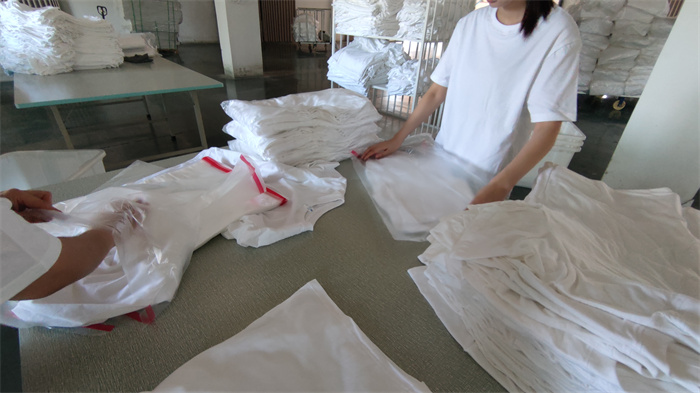
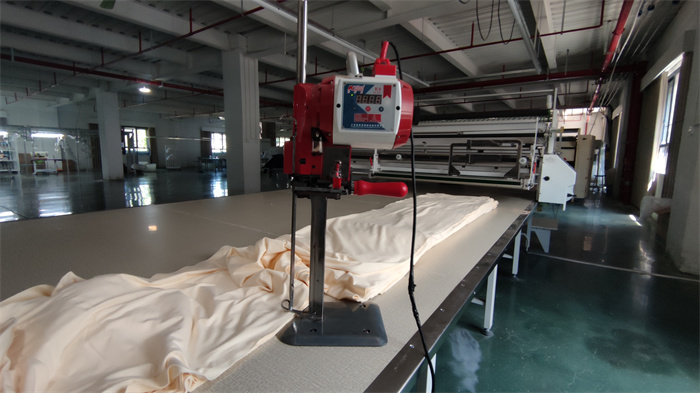
Adapting global denim design philosophies to the climate and cultural demands of the Nigerian landscape.
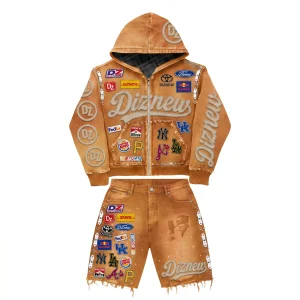
Fueled by the young population of the Lekki and Ikeja corridors, brands are demanding oversized, distressed, and embellished denim pieces. Fast production turnarounds on unique wash styles and complex embroidery are crucial to stay ahead of short-term hype cycles.
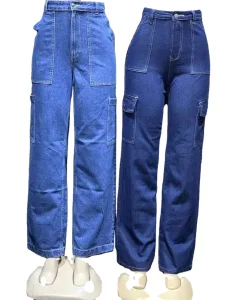
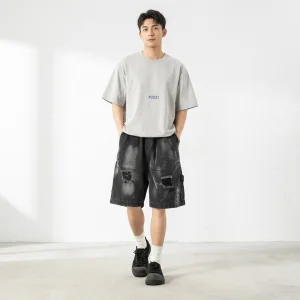
Volume is the priority for open-air markets that supply all of West Africa. Sourcing partners need to provide highly competitive price points, structural durability, and stretch profiles that fit the body shapes of the local demographic.
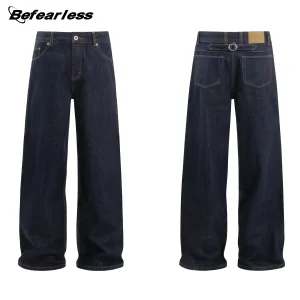
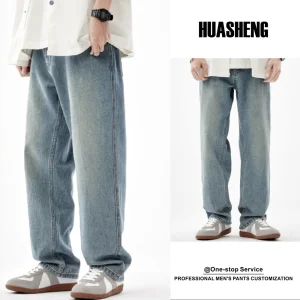
High-end boutiques in the capital require clean, raw-wash selvedge denim and premium straight-leg designs. These products target discerning professionals who value durability, precise stitching, and premium metal hardware.
Answering the primary operational concerns of Nigerian denim buyers and brand owners.
Explore our extended portfolio, engineered to provide high returns and structural excellence for your apparel brand.
Whether you are an independent streetwear brand in Lagos, a distributor in Aba, or a corporate volume buyer in Abuja, Eglin Fashion provides the technology, capacity, and aesthetic consistency your business demands.
Send Inquiry Now Eglin Fashion