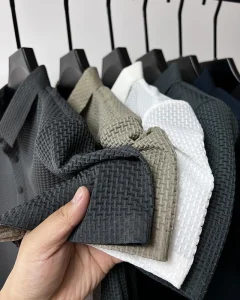
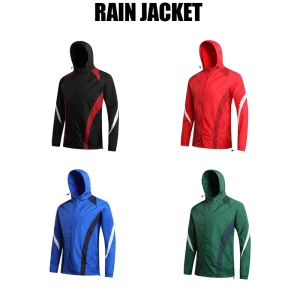
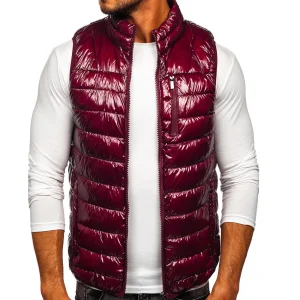
China Top Linen Shirts Factory & Exporters

Premium Sustainable Textiles, Advanced Structural Engineering, and Resilient Global OEM/ODM Supply Chains for Discerning Brands Worldwide

Dongguan Eglin Fashion Co., Ltd.
Integrating Aesthetic Understanding, Technical Execution, and Rapid Response Systems.

Reduce Excess

In an era driven by trends, noise, and overexposure, we choose to return to essentials: silhouette, proportion, and material integrity. We focus on clarity in construction without layering unnecessary details.

Refine Structure

Meaningful garments do not rely on loud statements. They rely on precision, restraint, and consistent design logic. We refine the visual and tactile language of every product.

Strengthen Execution

We bridge the gap between creative design and industrial scale. Our systematic manufacturing lines ensure that high-standard quality controls are executed repeatedly without fail.

100%
Pure Linen Flax Sourced
15+
Exporting Countries
4.0
Smart Supply Chain System
24h
Sample Optimization Turnaround

Whitepaper: Industrial Dynamics of Linen Shirt Manufacturing in China

In the contemporary B2B apparel sourcing landscape, linen has shifted from a traditional seasonal fiber to a core component of sustainable, high-end fashion lines. The global push toward eco-conscious consumption and premium comfort has positioned premium linen shirts as high-margin items for retailers and independent designer labels. As the world's foremost manufacturing hub, China has integrated traditional flax weaving techniques with advanced Smart Manufacturing (Industry 4.0), establishing an unbeatable combination of cost efficiency, material quality, and agile supply chains.

Key Market Trend Insight: According to global textile reports, the demand for natural fibers like linen is growing at a compound annual growth rate (CAGR) of 6.2%. Brands that emphasize tracing their fabrics back to certified European flax origins while manufacturing in advanced Chinese hubs enjoy a substantial market premium.

Section 1: Global B2B Sourcing Requirements & Market Intent

Corporate buyers, supply chain directors, and fashion founders look for more than just a vendor when sourcing linen garments; they need manufacturing partners who understand global compliance, structural integrity, and fabric physics. Linen, derived from the bast fibers of the flax plant (Linum usitatissimum), has high tensile strength but very little elasticity. This characteristic requires specialized pattern engineering to prevent seam slippage and uneven shrinkage after washing.

When searching for a "China linen shirts factory," global buyers focus on three main operational requirements:

  • Material Certifications: Compliance with OEKO-TEX Standard 100, Global Organic Textile Standard (GOTS), and European Flax certifications.
  • Textile Pre-Treatment Capabilities: Advanced wash techniques (enzyme wash, stone wash, sand wash) that pre-shrink the linen and soften its natural stiffness before packing.
  • Scale Flexibility: Flexible Minimum Order Quantities (MOQs) that support mid-season restocks without burdening brands with excess inventory.

Section 2: Fabric Intelligence & Silhouette Engineering

Dongguan Eglin Fashion Co., Ltd. works closely with brands to transform design concepts into highly repeatable industrial products. Linen requires a deep understanding of weight, weave, and construction parameters:

Linen Weight / Type Typical GSM Range Primary Application Structural Behavior & Properties
Lightweight Gauze Linen 80 - 110 GSM Resort Wear & Layering Shirts High breathability, sheer texture, prone to wrinkling, light drape.
Standard Shirting Linen 120 - 150 GSM Classic Business Casual Shirts Balanced opacity, optimal tensile strength, softens with each wash.
Heavyweight Linen / Linen Blends 160 - 220 GSM Structured Overshirts & Jackets Crisp drape, excellent seam stability, robust thermal insulation.

The Science of Silhouette Engineering

Because linen does not stretch, standard grading rules for synthetic fabrics do not apply. Our pattern makers use advanced CAD systems to calculate allowance for movement. We adjust the armhole depth, back pleat widths, and sleeve caps to ensure the shirts remain comfortable during everyday wear, maintaining structure without restricting movement.

Section 3: China's Factory 4.0: Supply Chain Resiliency & Digital Infrastructure

Modern linen production in China is no longer just about manual sewing. Our manufacturing system combines automatic fabric laying, laser cutting, and digital IoT tracking systems. This layout reduces material waste by up to 14% and ensures that pattern pieces are cut precisely along the grainline—critical for linen, which can warp if cut off-grain.

Additionally, our local supply network in Dongguan provides immediate access to specialty buttons (like natural mother-of-pearl and corozo), custom brand tags, and eco-friendly dyes. This integrated ecosystem keeps our sample turnaround times fast and guarantees consistent bulk production quality.
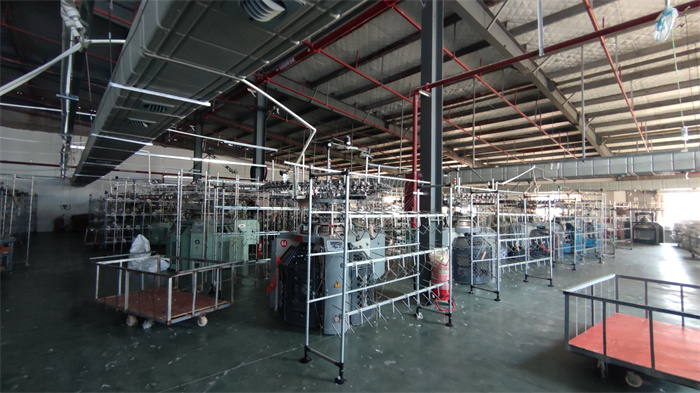
A Garment Manufacturing & Development System
From raw flax yarn to finalized, high-end retail apparel. Explore our vertical production process.
Weaving Phase

1. Weaving

Precision looms weave raw flax fibers into high-density linen rolls, ensuring consistent warp and weft tension.
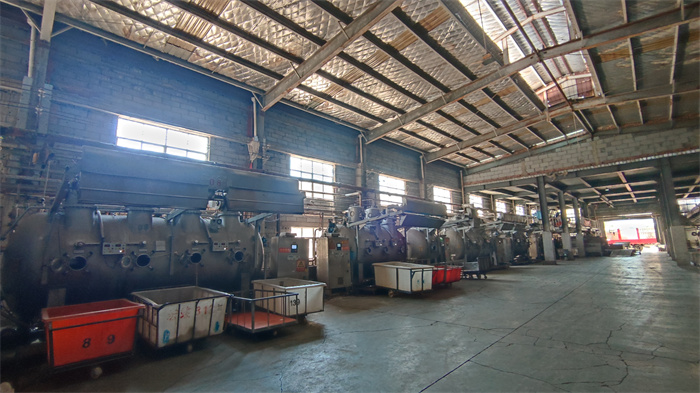
Dyed Cloth Phase

2. Dyed Cloth

Using eco-friendly, non-toxic dyes to achieve rich, long-lasting colors while preserving linen's natural texture.
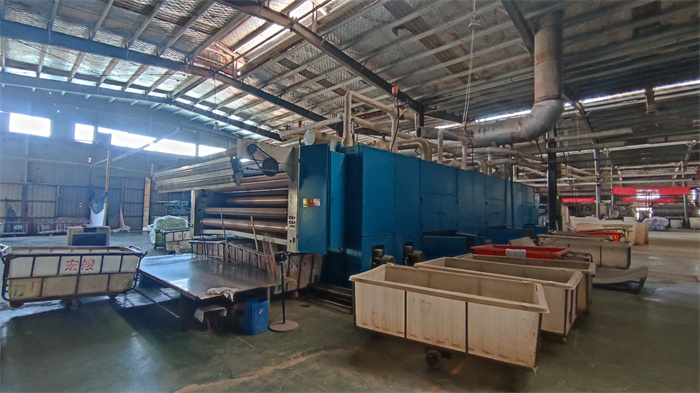
Drying Phase

3. Drying

Controlled tension-free drying ovens stabilize the fabric and prevent uneven shrinkage during later washes.
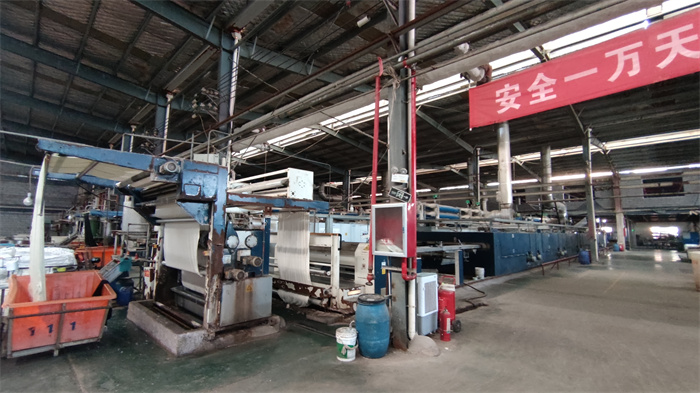
Finalized Phase

4. Finalized Fabric

Ironing and finishing steps set the fabric's final width, density, and tactile softness.
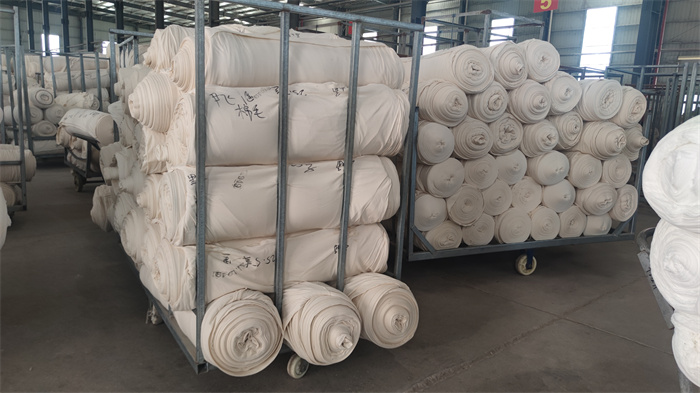
Finished Products Showcase

5. Finished Products

Bulk garments are prepared for final stage checks, confirming details match the brand's approved tech packs.
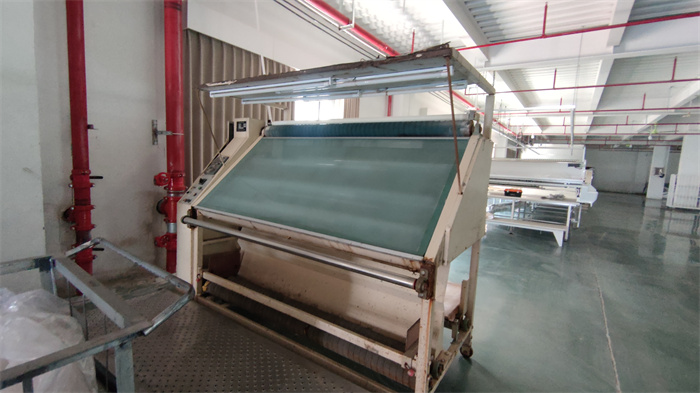
Inspection Process

6. Inspection

Rigorous point-by-point quality checks to identify and fix any loose threads, sewing defects, or structural flaws.
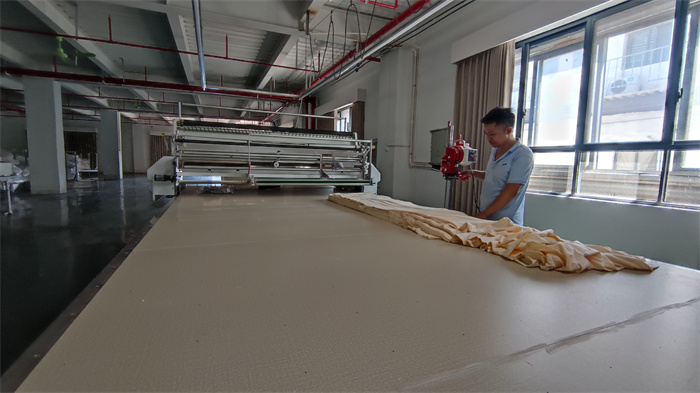
Cutting Process

7. Cutting

Precise, clean cutting processes ensure pattern pieces align perfectly with the natural weave of the linen.
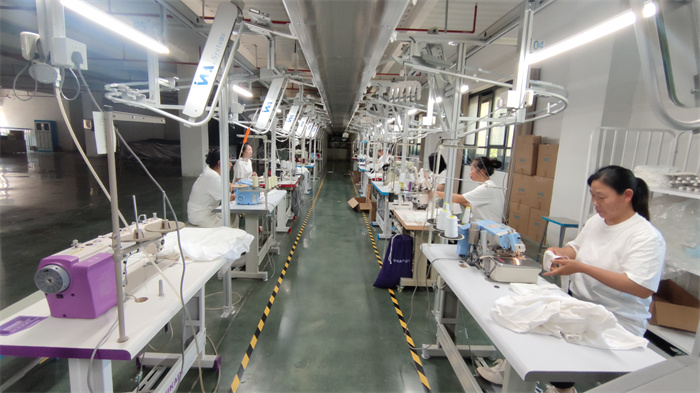
Sewing Line

8. Sewing

Experienced operators use premium sewing setups, including flat-felled seams for long-term wearability.
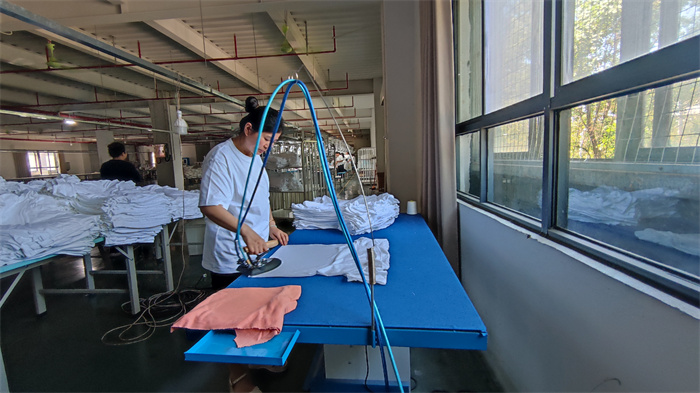
Ironing Stage

9. Ironing

High-temperature steam pressing helps smooth out linen wrinkles and sets the final shapes of collars and cuffs.
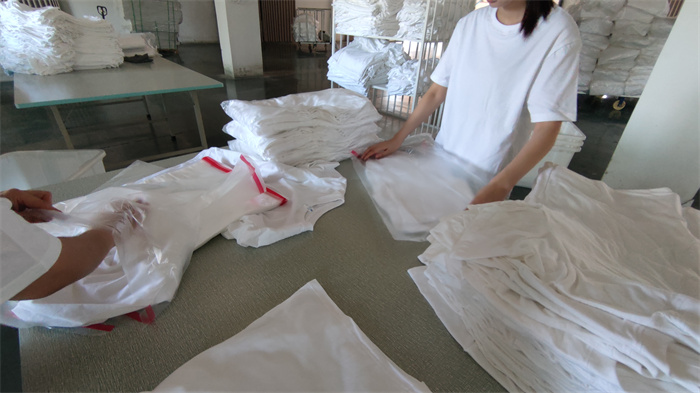
Packing and Finished Products

10. Packing & Finished Goods

Careful flat folding and eco-friendly bagging protect the linen garments from moisture and dust during transit.
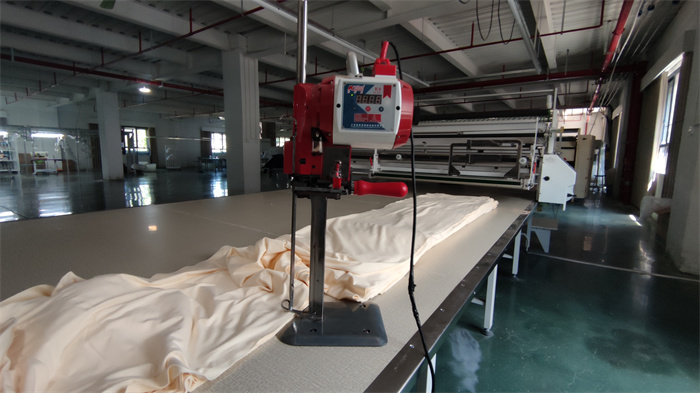
Electric Shearing Machine

11. Electric Shearing

Industrial electric shearing tools slice through layered fabric stacks cleanly and efficiently.
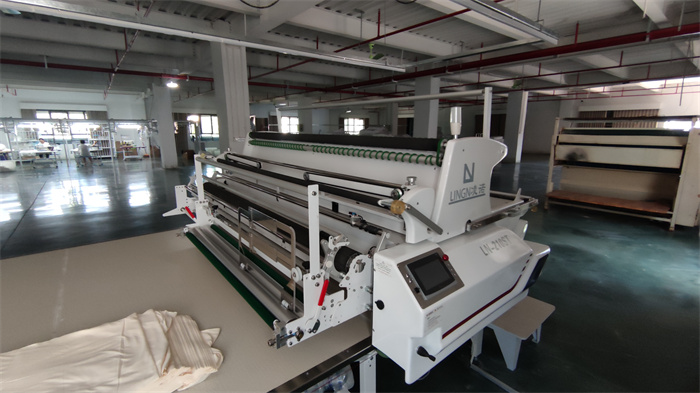
Cloth Laying Machine

12. Cloth Laying

Automated spreading machines lay the linen flat with controlled tension, preparing the fabric for the cutters.
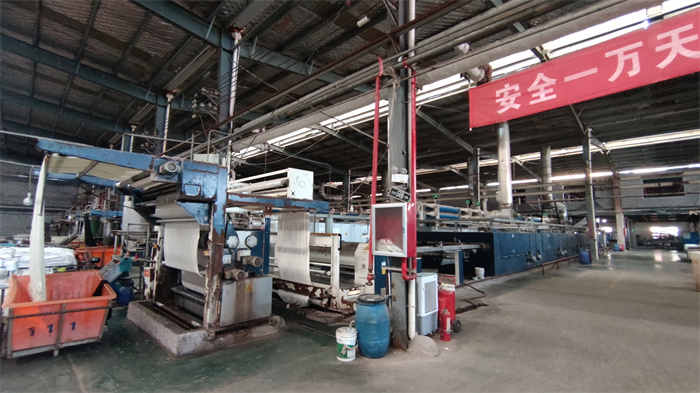
Cloth Shaping Production Line

13. Cloth Shaping

Our specialized shaping line ensures collars, pockets, and cuffs maintain their structured look over time.

Section 4: Technical Collaboration & Design Realization

At Dongguan Eglin Fashion, we don't just execute POs. We act as a technical extension of your design team. Whether you are an independent brand founder, a fashion director, or a retail buyer, our collaborative development pipeline addresses four critical design phases:

  • Feasibility Analysis: We review raw design sketches and tech packs, flagging potential issues like seam stress points or grain misalignments before prototyping begins.
  • Pattern Optimization: We convert design visions into precise physical dimensions, striking the right balance between aesthetic silhouettes and comfortable fit.
  • Material Cost Structuring: We source fabrics at target price points, selecting the right linen yarns, thread counts, and trim options to balance production costs and retail pricing.
  • Product Scale Planning: We establish grading systems that scale consistently across all sizes (XS to 3XL), keeping fits uniform across production batches.
Sustainable Development Priority: We prioritize water-saving pre-wash steps and use eco-safe dyes, helping our brand partners meet the increasing consumer demand for transparent and ethical apparel manufacturing.

Section 5: Localized Application Scenarios & Global Trade Resilience

Understanding how different markets use linen allows us to modify finishes and fabric structures for regional preferences:
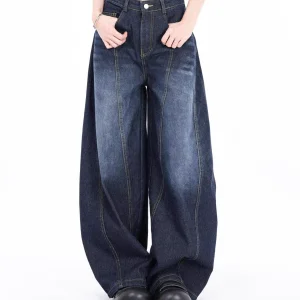
  • Southern Europe & Mediterranean Coast (Resort Casual): Focus on open Camp collars, lightweight 100-120 GSM gauze linen, and enzyme wash cycles that deliver a relaxed, broken-in feel right from the first wear.
  • North American Corporate Casual (Structured Workwear): Focus on button-down shirts made from standard 140-150 GSM linen, treated with subtle wrinkle-resistant finishes to maintain a clean look throughout the workday.
  • Northern European Premium Basics: Focus on linen-cotton blends (55% linen, 45% cotton) to combine linen's classic texture with cotton's soft feel, creating durable everyday garments.
Industry Q&A (FAQ)
Answers to common technical, logistics, and production questions from our B2B partners.
How does Eglin Fashion prevent linen shirts from shrinking after purchase?
We pre-shrink all linen fabrics before cutting and sewing. Our production flow includes tension-free drying and pre-washing steps (such as industrial enzyme washes). This process keeps residual shrinkage under 2-3%, far below the typical 8-10% shrinkage found in untreated raw linen.
What are the MOQ (Minimum Order Quantity) parameters for custom development?
Our standard MOQ for custom dyed-to-order fabrics is typically 300 pieces per style/color. However, for startup designer brands using stock yarns or colorways, we offer flexible entry thresholds starting at 100-150 pieces per style, helping brands test new fits with minimal inventory risk.
Can you match custom PANTONE color requests, and are the dyes certified?
Yes, we match color targets within a Delta-E value of less than 1.0 using spectrophotometer analysis. We use reactive dyes that meet OEKO-TEX Standard 100 guidelines, ensuring our colors are vibrant, skin-safe, and free from harmful chemicals.
What stitching standards do you use to ensure long-term durability?
We use a high stitch density of 14-16 stitches per inch (SPI). Main seams are finished with flat-felled double stitching to prevent raw edges from fraying, which is a common issue with loose-weave natural linen.
How long does it take from receiving a tech pack to shipping finished goods?
Sampling takes 7 to 10 days, depending on fabric availability. Once the sample is approved, bulk production typically takes 35 to 45 days. If a brand uses stock-supported fabrics, we can expedite production to 25 to 30 days.