Osaka has long held its position as the beating heart of Japanese streetwear culture. From the historic alleys of Americamura to the upscale boutiques of Orange Street (Tachibana-dori), Osaka’s local labels demand garments that offer both aesthetic complexity and rigorous construction. In response to this dynamic, traditional domestic manufacturing systems often face constraints in scalability, speed-to-market, and materials sourcing. This is where the strategic partnership between Osaka's creative visionaries and Dongguan's advanced production capacity becomes invaluable.
By leveraging Dongguan Eglin Fashion Co., Ltd.'s modern manufacturing ecosystem, Osaka-based designers gain direct access to advanced pattern design, highly specialized fabric mills, and rapid sampling systems. The result is a seamless workflow where cutting-edge streetwear design meets high-density, cost-effective industrial execution.
For independent brands, designers, and large-scale retailers in Kansai, apparel sourcing is not merely about finding the lowest cost per unit. True value lies in Silhouette Engineering and Fabric Intelligence. Standard factories often rely on generic blanks or outdated sizing charts that do not align with modern Japanese draping preferences or fit standards.
Our approach provides an analytical advantage. We study the physical behavior of fabrics—specifically GSM (grams per square meter) weight, tensile strength, and shrinkage rates—to engineer shorts that retain their structure through repeated washes. For Osaka's competitive retail landscape, this level of product integrity represents a critical point of difference that drives brand loyalty and minimizes customer returns.
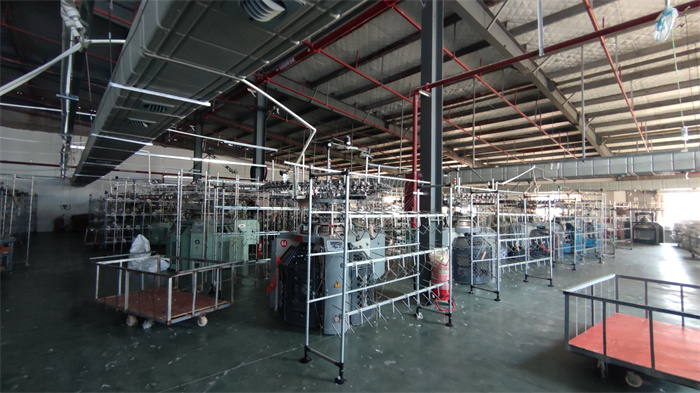
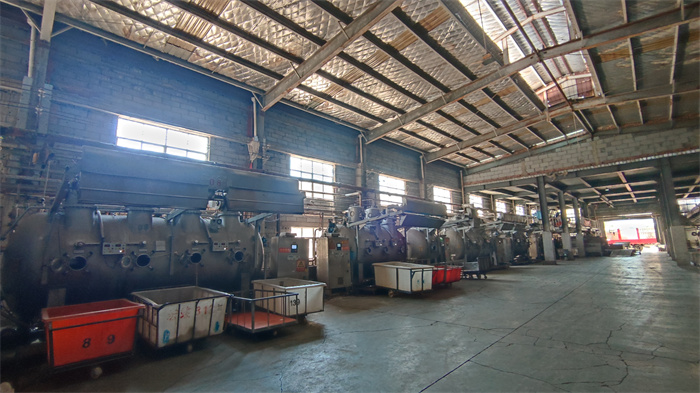
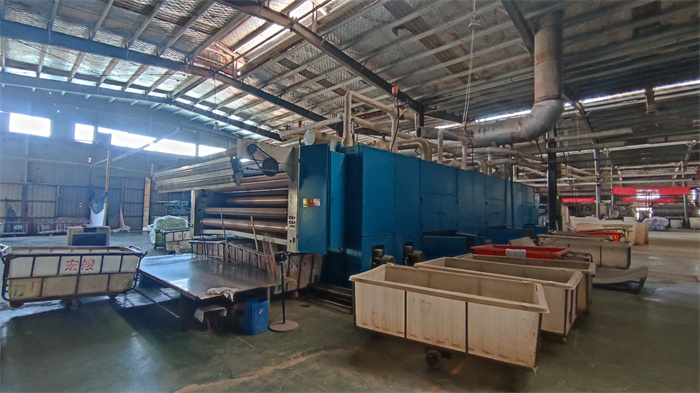
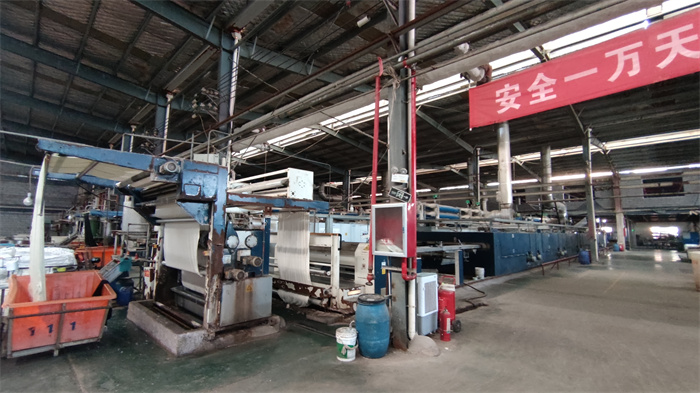
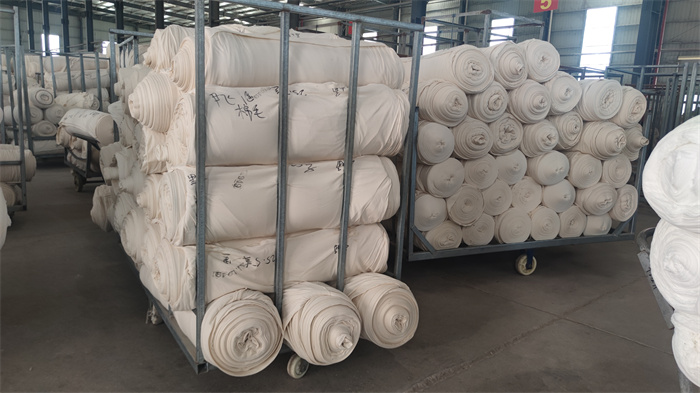
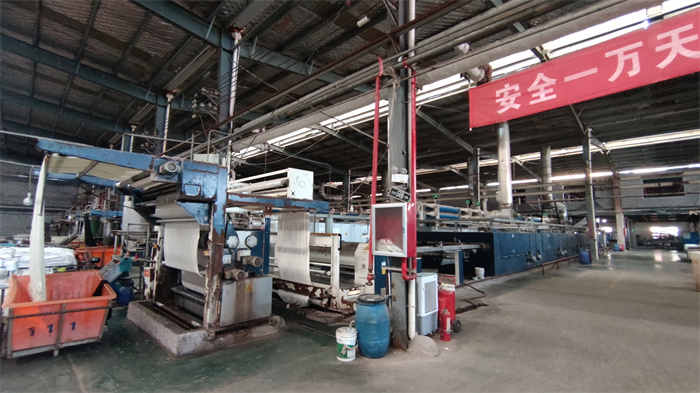
Traditional manufacturing setups in Japan or Southeast Asia often struggle with fragmented supply chains, where fabrics, dyes, trims, and sewing operations are located in different industrial regions. Dongguan's hyper-concentrated garment ecosystem solves this. Every stage—from yarn texturizing and specialized knitting mills to dye houses and hardware fabrication—operates within a 50-kilometer radius. This geographic density enables Eglin Fashion to reduce lead times by up to 40%, moving from design confirmation to finished cargo far faster than domestic alternatives.
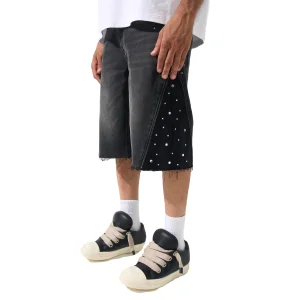
Modern streetwear demands sophisticated material treatments: heavyweight French Terry, custom-pigment acid washes, distressed denim, and multi-layered mesh. China's textile infrastructure is at the forefront of chemical and mechanical textile processing. Whether executing complex rhinestone applications, distressed abrasions, or high-definition puff-screen printing, Dongguan's advanced facilities possess the machinery and chemical compliance standards required to deliver consistent results across thousands of units.
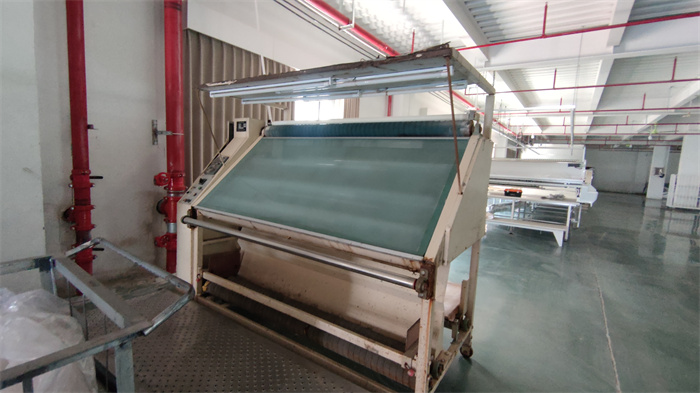
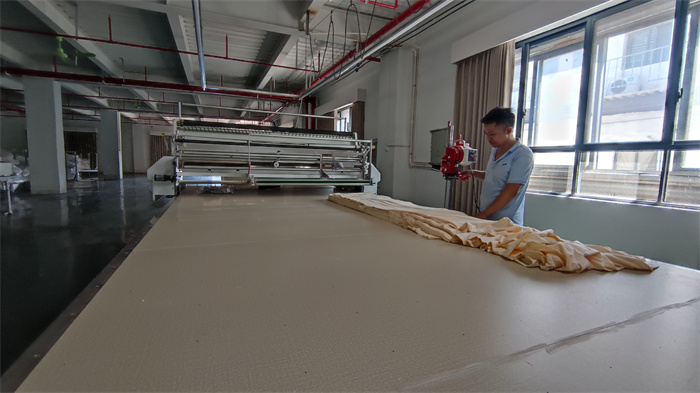
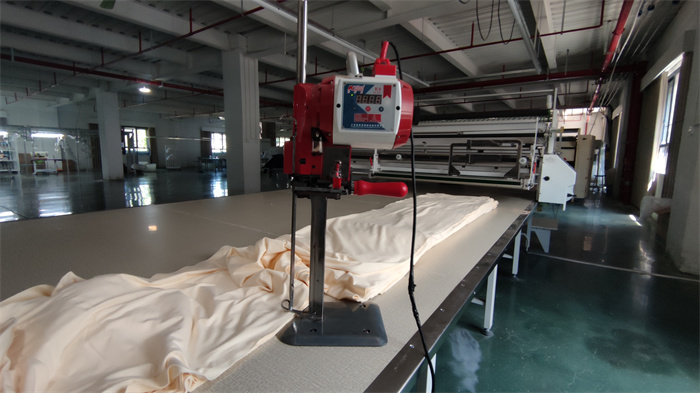
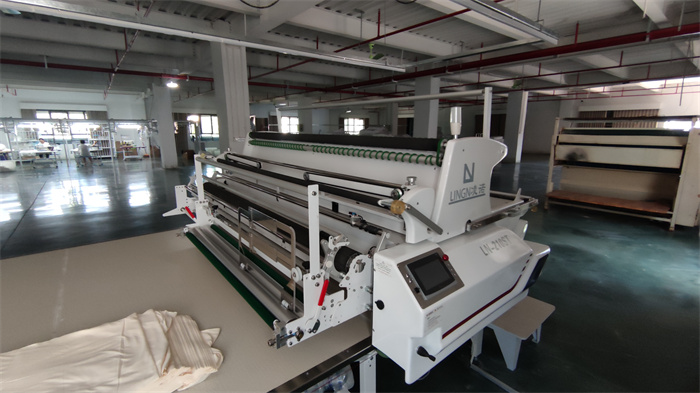
For growing Osaka apparel brands, scaling presents a massive risk. Partnering with a manufacturer that can support both small-batch sample runs and high-volume seasonal rollouts is crucial. Our production facility bridges this gap. By utilizing automated CAD pattern adjustments and computerized fabric cutting systems, we maintain design fidelity whether producing 100 units or 10,000. This flexibility mitigates inventory risk for brands trying to gauge shifting consumer sentiments.
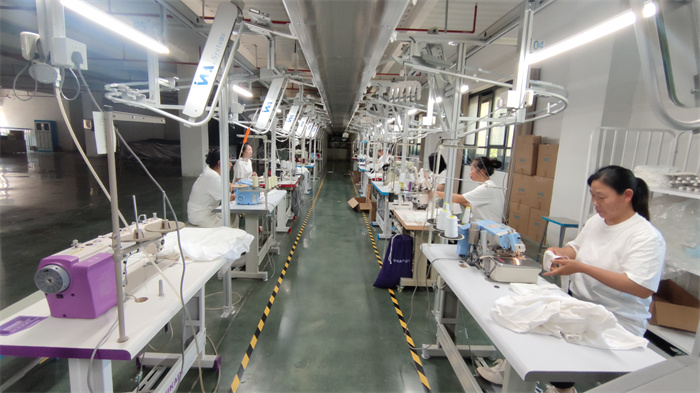
Dongguan Eglin Fashion Co., Ltd. operates as more than a production facility. We function as a development system that bridges creative direction with scalable manufacturing.
We understand the operational rhythm of contemporary streetwear and emerging brands, and translate that into structured production logic:
For designers, founders, independent labels, and KOL-driven fashion projects, we act as both a technical partner and an execution extension of their creative team.
Our collaboration typically includes:
We do not simply “produce garments.” We help translate ideas into systems that can be reliably repeated, improved, and scaled.
At Eglin Fashion, we are not driven by short-term hype or seasonal spikes. We are driven by consistency, clarity, and buildable identity.
We produce clothing—but more importantly, we help brands turn intention into structured reality. Through rigorous quality checks, transparent sourcing practices, and continuous engineering iterations, we ensure that every collection delivered to Osaka, Tokyo, or global hubs meets the highest industry benchmarks.
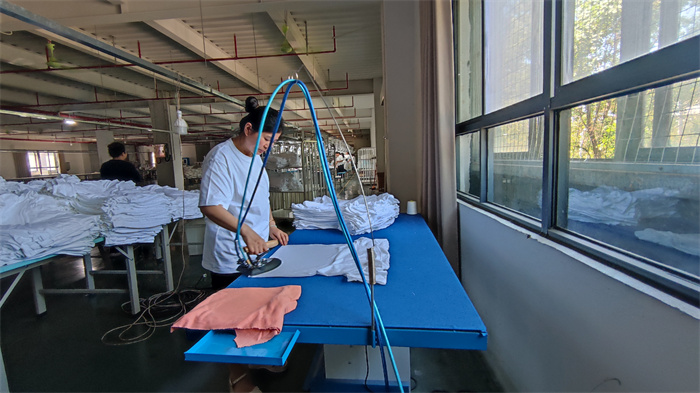
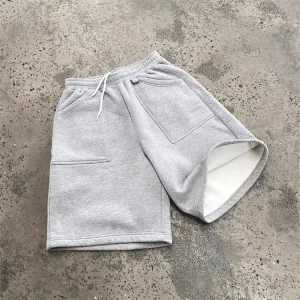
For boutiques in Osaka's Americamura (Amemura), shorts are a year-round staple. Brands require ultra-heavyweight cotton sweats, French Terry fabric bases (above 400 GSM), and distressed denim jorts. Eglin’s specialized washing processes and raw-hem treatments provide the authentic, lived-in aesthetic that matches local streetwear vibes, with heavy-duty construction designed to handle active urban wear.
In the premium shopping hubs of Umeda and Namba, consumers demand an integration of athletic function and minimalist design. High-waisted seamless biker shorts, structured gym sweat shorts, and quick-drying tech fabrics are essential. Eglin’s production systems incorporate seamless circular knitting technology and high-stretch synthetic fibers to ensure support, clean lines, and comfort for lifestyle consumers.
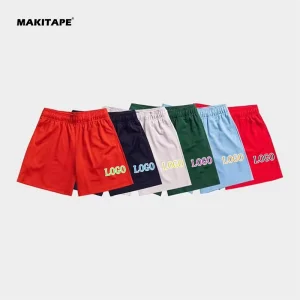
Osaka’s warm, humid summers demand light, breathable garments suitable for outdoor music festivals, park runs, and active lifestyle use. We develop lightweight, quick-dry double-layer running shorts and breathable mesh basketball shorts that offer airflow and moisture management while retaining a structured, fashion-forward silhouette.
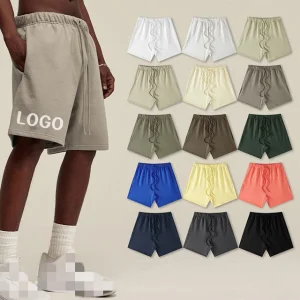
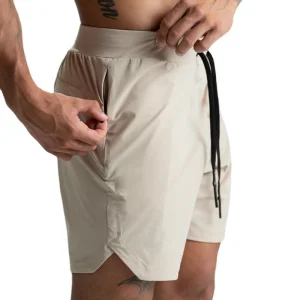
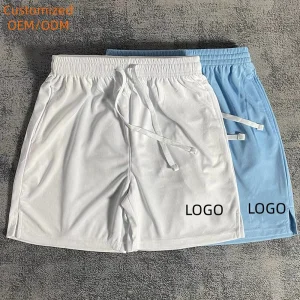
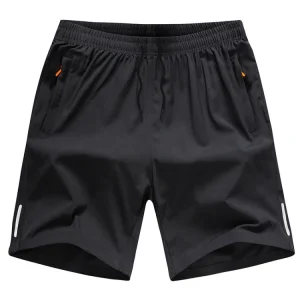
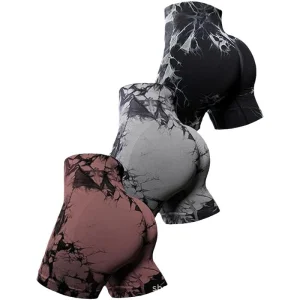
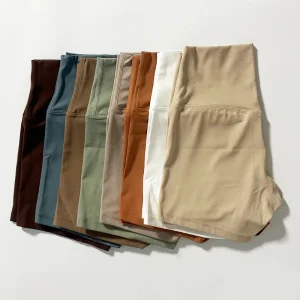
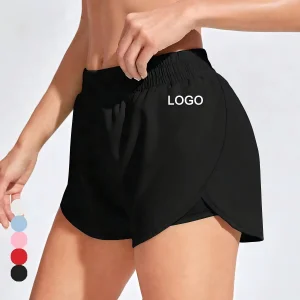
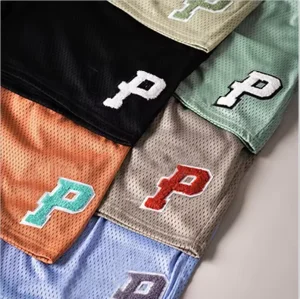
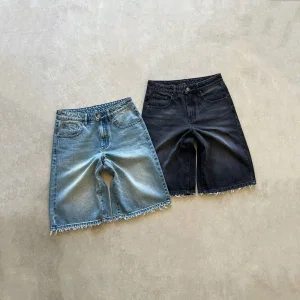
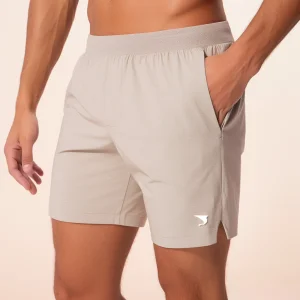
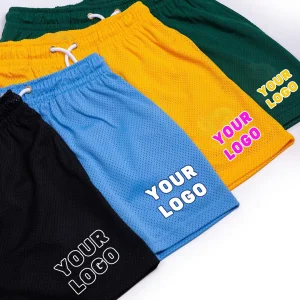

Our base MOQ typically starts at 100 units per style/colorway for standard cotton and polyester-blend fabrics. For specialized seamless knitting or custom dye lots (e.g., custom acid wash patterns), MOQs range between 200 to 300 units depending on the material's structural density and fabrication processes.
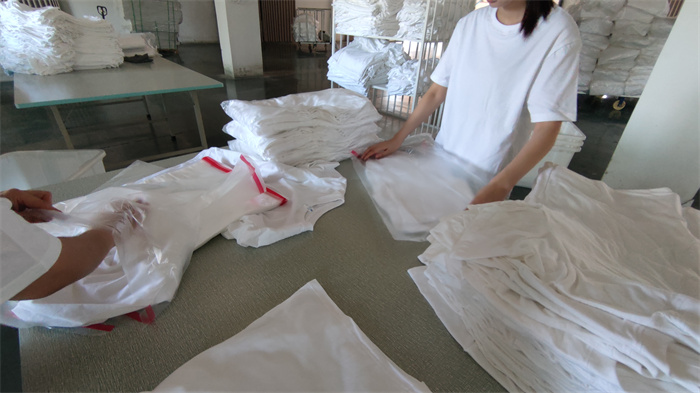
We operate an in-house inspection protocol that matches the strict Japanese Kenpin (検品) standards. This includes 100% metal/needle detection scans, verification of seam strength, checking dimensional tolerances within +/- 1cm, and testing colorfastness to washing. Every batch of goods is certified before export to Kansai ports.
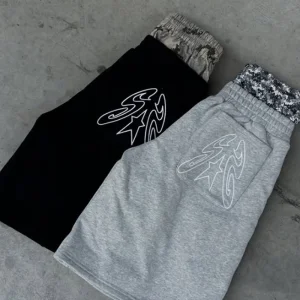
We provide a wide range of surface embellishments including 3D puff screen printing, high-density embroidery, dye sublimation for mesh fabrics, rhinestone hot-fixing, and industrial silicone washes. Our technical team ensures all printing formulations are eco-compliant and resilient against cracking or peeling.
Air freight sampling takes 3-5 working days directly to Kansai International Airport (KIX). Bulk ocean freight shipping from Shenzhen/Guangzhou ports to Osaka Port typically takes 9-12 days, presenting a highly efficient supply corridor compared to sourcing from South Asia or Europe.
 Eglin Fashion