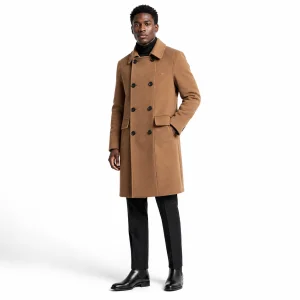
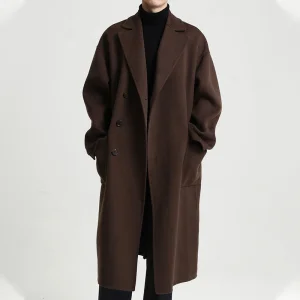
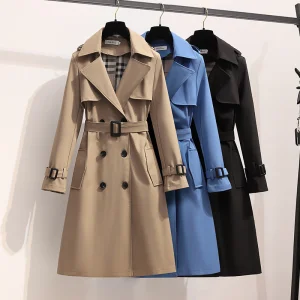
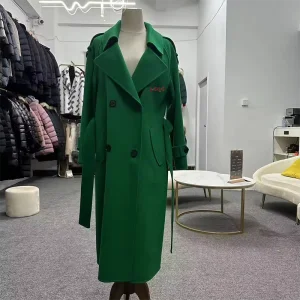
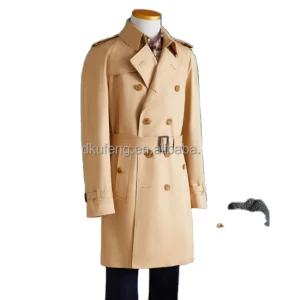
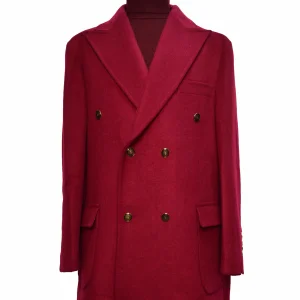
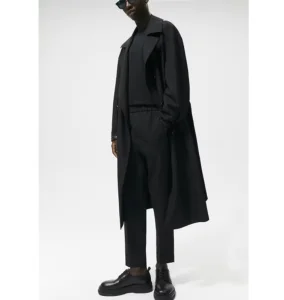
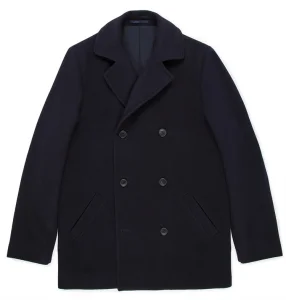
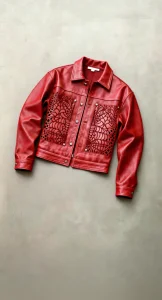
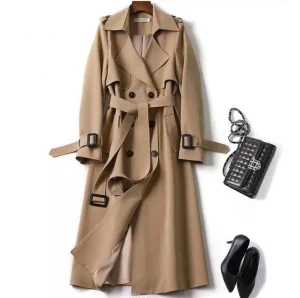
Coats & Overcoats Manufacturers & Factory in Los Angeles

Premium Structural Outerwear Production, Balancing West Coast Brand Dynamics with Global Industrial Scale and California Compliance Safeguards.

Send Inquiry Now

Los Angeles Outerwear Manufacturing Ecosystem

An in-depth white paper examining the structural shifts, localized demands, and international supply chain integrations driving the Los Angeles premium coats & overcoats sector.

1. The Industrial Landscape of Coats & Overcoats in Southern California

Los Angeles stands as the premier fashion capital of the United States, anchored by the iconic Downtown Los Angeles (DTLA) Fashion District. However, the local manufacturing ecosystem faces unique operational realities. While Southern California excels in high-speed, low-minimum knitwear production, denim processing, and basic sportswear assembly, the complex structural requirements of heavy coats and structured overcoats represent a different set of challenges.

Tailored outerwear production requires specialized machinery—such as heavy-duty welt pocket templates, computerized chest canvas fusing lines, and specialized shoulder pressing equipment—which are scarce in local micro-factories. Consequently, LA brands typically rely on a hybrid strategy: executing pattern grading, prototyping, and fit testing within Los Angeles, while outsourcing technical fabric sourcing and mass production to advanced international facilities capable of scale, detail precision, and cost control.

2. Regulatory Compliance and Localized Quality Standards in California

Operating a fashion brand or retail brand in California demands strict adherence to evolving legal and quality frameworks. The local regulatory landscape poses specific requirements that all manufactured goods must meet before hit the shelves:

  • Senate Bill 62 (SB 62) Compliance: Known as the Garment Worker Protection Act, this law eliminates piece-rate compensation in favor of hourly minimum wage for local California operations and establishes joint liability up the supply chain. This makes verifying the labor practices of local workshops a major liability management task for brands.
  • Proposition 65: California's Safe Drinking Water and Toxic Enforcement Act requires warning labels on products containing chemicals known to cause cancer, birth defects, or reproductive harm. Overcoats containing metal zippers, synthetic linings, or water-resistant coatings must undergo chemical screening to ensure they remain lead-free, cadmium-free, and phthalate-free.
  • PFAS-Free Regulations: Starting in 2025, California restricts the use of per- and polyfluoroalkyl substances (PFAS) in apparel. Outdoor coats and heavy trench overcoats must utilize alternative, eco-friendly water-repellent (DWR) coatings that are entirely fluorine-free.

3. Synergy of East-West Manufacturing: Dongguan Eglin Fashion Integration

To balance the high costs of local operations in California with the need for high-end structural tailoring, top-tier brands leverage the manufacturing capacity of Dongguan Eglin Fashion Co., Ltd. Based in Dongguan—the world's capital for advanced apparel and electronics manufacturing—Eglin operates a comprehensive garment development and production system. We bridge the gap between creative design and industrial-scale manufacturing.

Eglin's specialized system is designed around four key components:

  • Silhouette Engineering: Translating design sketches into balanced pattern drafts that maintain consistent fit, scale, and drape performance, avoiding the typical structural collapses common in low-tier coat manufacturing.
  • Fabric Intelligence: Sourcing high-grade materials—ranging from 100% organic wool, virgin alpaca, cashmere blends, to tech-utility heavy cottons—directly from long-term mill partnerships. We evaluate fabric behavior based on weight, stretch recovery, and drape properties.
  • Construction Logic: Applying precision stitching, reinforced seam tape, tailored canvas fusing, and premium horn buttons to ensure structural longevity and aesthetic refinement.
  • Sampling Efficiency System: Executing sample runs efficiently, providing Los Angeles designers with physical mockups that accurately represent the final bulk production.
2000+
Yearly Creations
100%
Compliance Checked
12-15 Days
Sampling Speed
AQL 2.5
Quality Benchmark

Structured Production and Technical Workflow

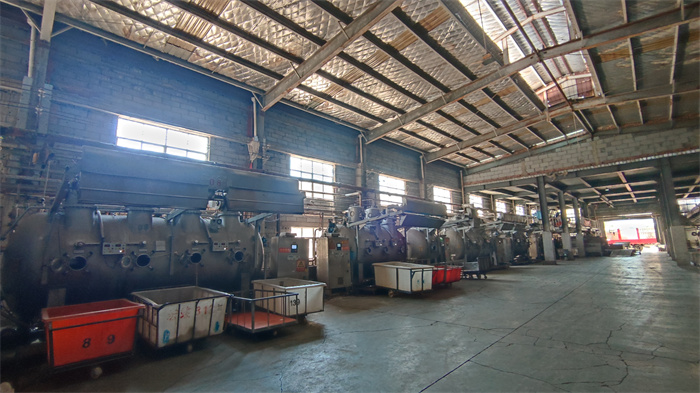
At Eglin Fashion, consistency, clarity, and built identity guide our manufacturing cycle. This is the structural reality behind every premium overcoat we deliver.
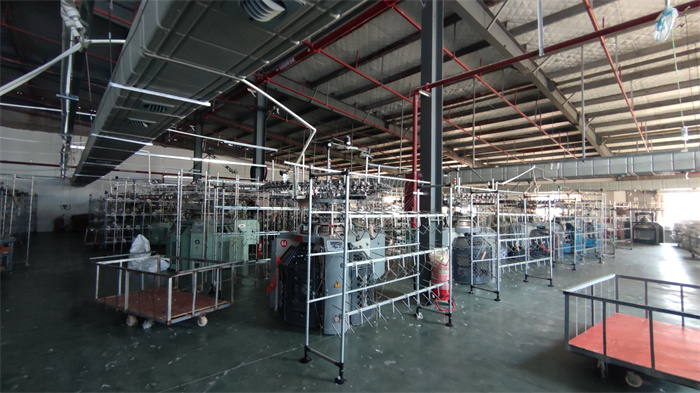
Weaving
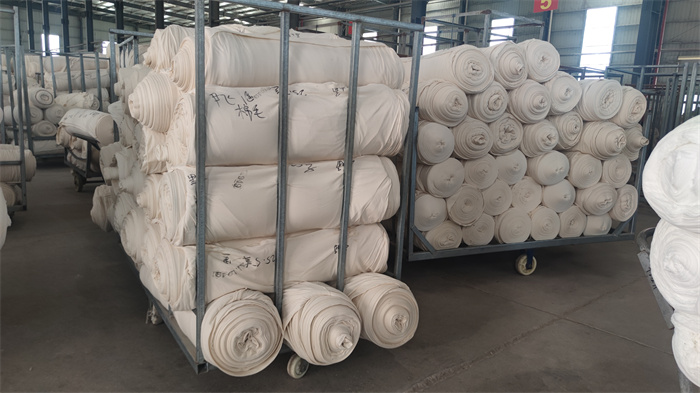
Weaving & Fabric Preparation
Dyed Cloth
Dyeing & Color Matching
Drying
Fabric Tension-Free Drying
Finalized
Shrinkage Finalization
Finished Products
Raw Textile Roll Stock
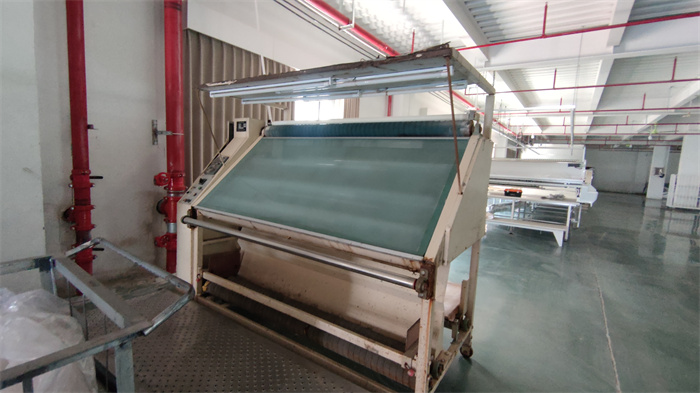
Inspection
Visual Textile Inspection
Cutting
Precision Manual Cutting
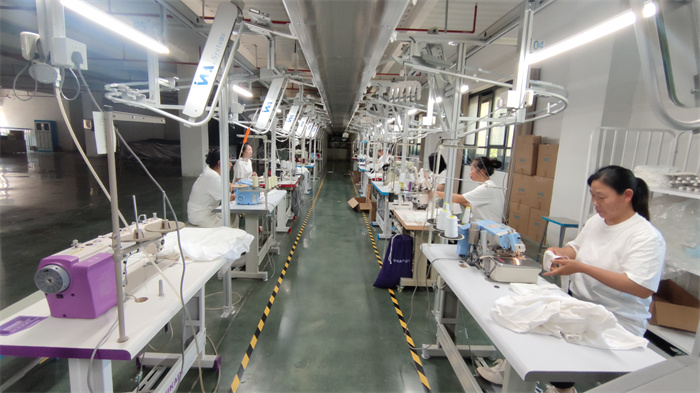
Sewing
High-Density Sewing Line
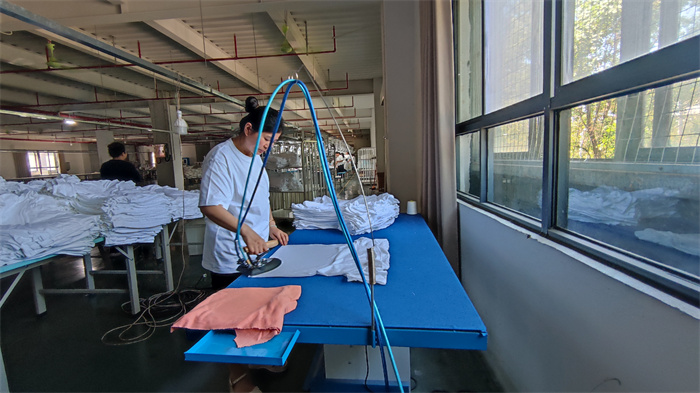
Ironing
Structural Pressing & Ironing
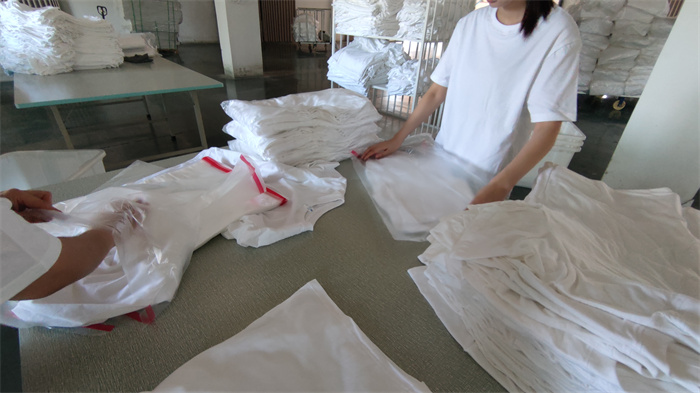
Packing
Final QC & Dustproof Packing
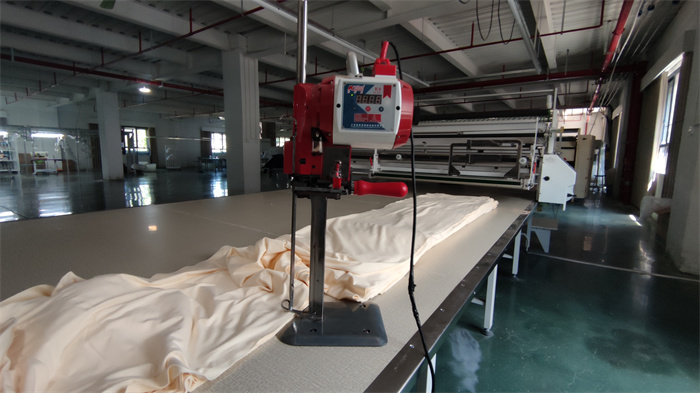
Electric Shearing
Electric Shearing Machine
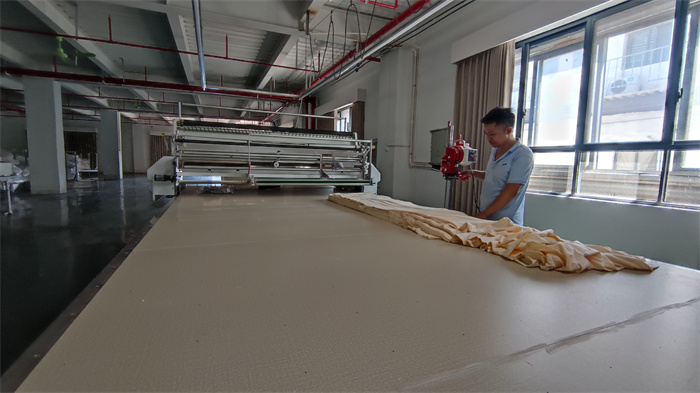
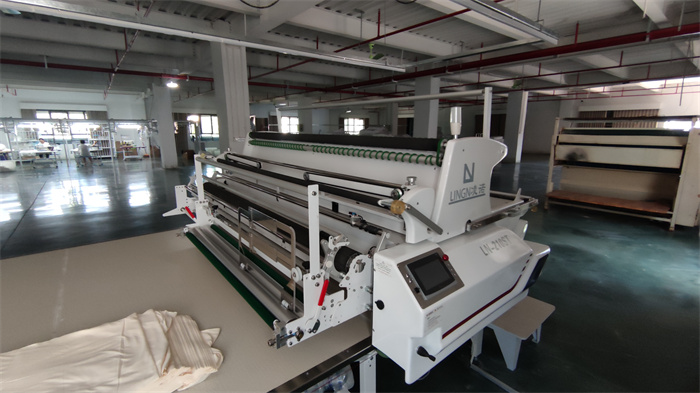
Cloth Laying
Auto-Alignment Cloth Laying
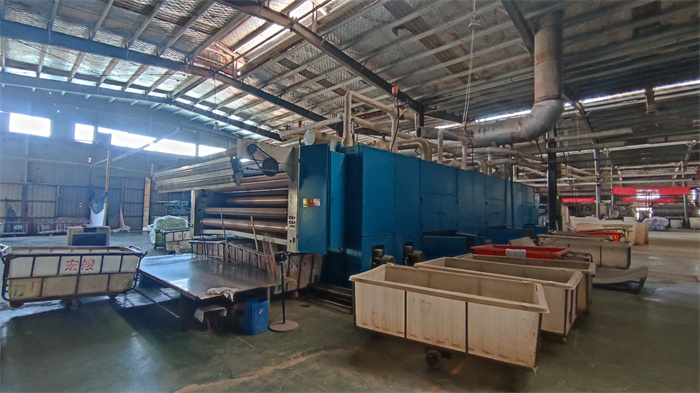
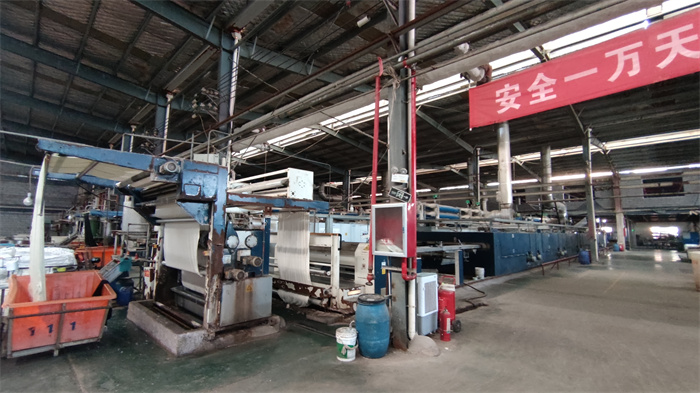
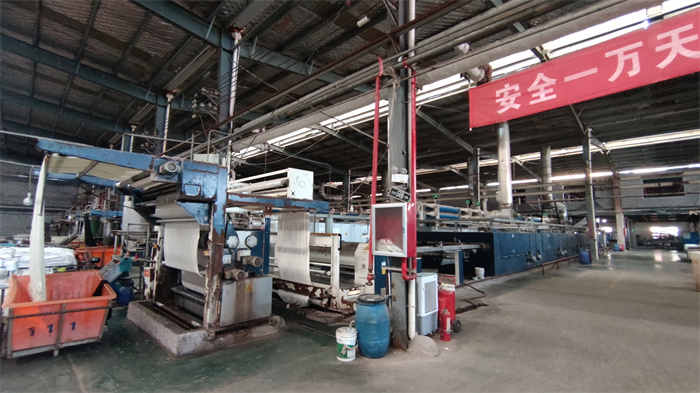
Cloth Shaping Production Line

Our integrated shaping infrastructure ensures the final silhouette remains structurally sound, preventing warping, shrinkage, or seam twisting over the lifetime of the garment.

Cloth Shaping Production Line

4. Procurement Strategies for Enterprise Buyers

For procurement officers and supply chain directors sourcing outerwear for the North American market, several strategies are crucial for maintaining margin health and quality consistency:

  • Fabric Sourcing Lead Times: Sourcing high-quality wool or cashmere requires a longer lead time than sourcing synthetics. Savvy brands book raw textile stock during the spring (March-April) to ensure bulk production wraps by July-August, enabling timely delivery to West Coast ports before the autumn retail season.
  • Landed Duty Paid (LDP) vs. FOB: Understanding import tariffs is critical. Under the current HTS codes, wool overcoats face distinct import tariff structures. Partnering with a manufacturer like Eglin allows brands to optimize packaging, export documentation, and logistics routing to lower total landed costs.
  • Technical Pack (Tech Pack) Optimization: Minimizing communication gaps is key to speeding up pre-production. A comprehensive Tech Pack must include exact tolerances, measurement points, inner construction detail sheets, and bills of materials (BOM). Eglin's design and production team reviews every detail to catch potential manufacturing challenges before fabric is cut.

5. Emerging Outerwear Trends for 2025/2026

The global overcoat segment is moving toward a blend of luxury aesthetics and practical functionality. Key market dynamics include:

  • Hybrid Technical Outerwear: The integration of water-resistant, wind-breaking functional membranes underneath traditional premium fibers like wool and cashmere. This gives city dwellers protection without sacrificing formal style.
  • Eco-Responsible Insulation: Shifting away from standard polyester fillings to certified post-consumer recycled fill, wool-waste battings, or responsibly sourced down.
  • Relaxed, Modular Drape: Outerwear designs are shifting toward fluid, dropped-shoulder profiles and unlined double-faced construction, suitable for the mild winter climate of the US West Coast.

Frequently Asked Questions (FAQ)

Essential insights on product development, logistics, compliance, and custom capabilities for global brands and independent designers.

What is the typical Minimum Order Quantity (MOQ) for custom coat production? +
Our standard MOQ ranges from 100 to 300 units per style/color, depending on the complexity of the design and the availability of the base fabric. For premium fibers such as specialty double-faced cashmere, MOQs may depend on the minimum dye lot requirements of our textile mills.
How do you support California Proposition 65 and EPA regulations? +
We use certified OEKO-TEX and GRS compliant fabrics, hardware, and dyes. All raw materials undergo lab testing to ensure they are free from harmful heavy metals, AZO dyes, and PFAS chemicals, helping your brand maintain full compliance with US federal and state standards.
What is the standard turnaround time for sampling to bulk delivery? +
Typically, pattern development and sample creation take 7 to 14 working days. Once the sample is approved and bulk fabric is secured, production takes 30 to 45 days. Shipping to the Port of Los Angeles takes approximately 15 to 22 days via ocean freight.
Can you manufacture garments based on 3D CAD or digital fashion files? +
Yes, our pattern-making department works with standard 2D and 3D CAD files (CLO 3D, Gerber, Lectra). We can import your digital patterns, optimize the seam layouts for physical production, and run digital drape simulations to reduce physical sample waste.
How do you handle shipping, customs, and duty processing? +
We offer flexible shipping terms including FOB, CIF, and LDP. For US-based brands, our logistics partners can handle customs clearance, duty processing, and inland transport directly to your warehouse in Los Angeles or elsewhere.

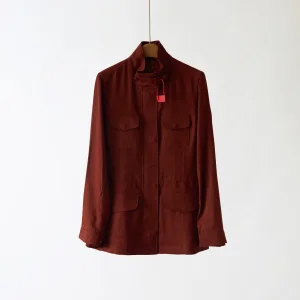
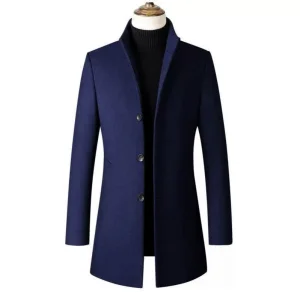
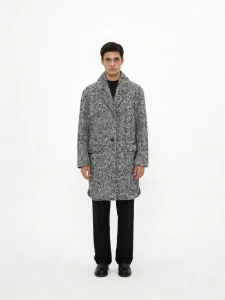
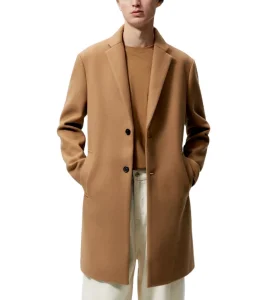
Extended Coats & Overcoats Collection

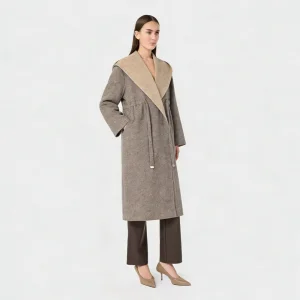
Explore our complete catalog of men's and women's premium outerwear, built to the highest specifications for international retailers and fashion projects.
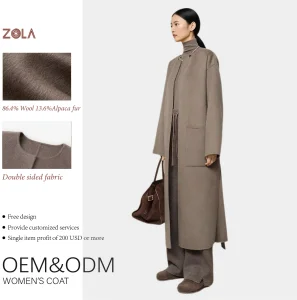
Optimize Your Supply Chain Today

Partner with Dongguan Eglin Fashion Co., Ltd. for reliable product development, technical precision, and scalable outerwear manufacturing. Get in touch with our team today.

Send Inquiry Now