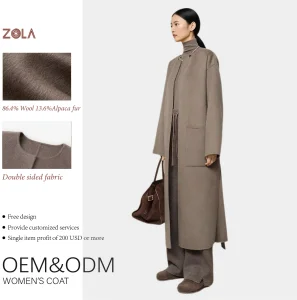
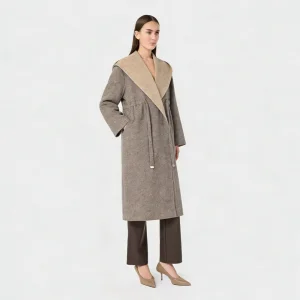
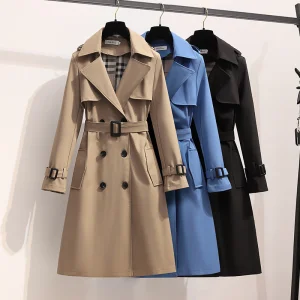
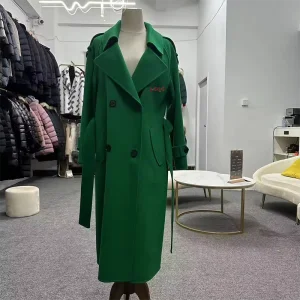
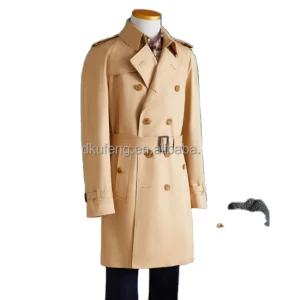
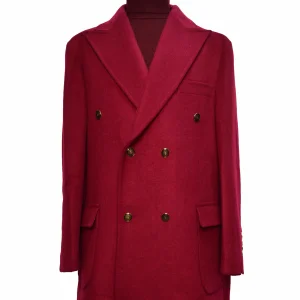
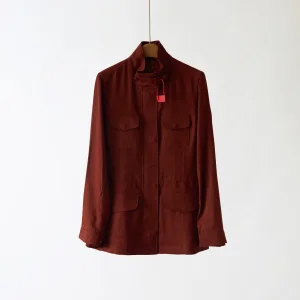
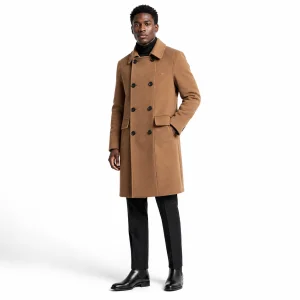
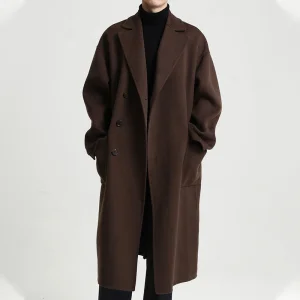
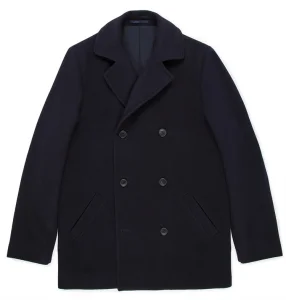
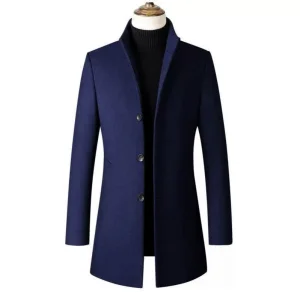
Coats & Overcoats Manufacturer & Factory in Milan

High-End Outerwear OEM/ODM System Bridging Milanese Sartorial Standards with Strategic Agile Manufacturing Performance

Macro-Industrial Overview

The Milan Outerwear Manufacturing Ecosystem

Milan is universally recognized as the central nervous system of high fashion. The Lombardy region has historically supported micro-ateliers specializing in artisanal pattern-making and low-volume production. However, contemporary fashion brands operating within the global market face a complex operational paradox: how to maintain Italian design integrity and fabric refinement while achieving commercial viability, supply chain flexibility, and rapid market response.

As scaling costs in Europe escalate, modern fashion brands, design houses, and high-growth streetwear labels require a global supply chain configuration. Partnering with a developer and manufacturer like Dongguan Eglin Fashion Co., Ltd. allows brands to bridge the gap between initial creative vision and highly efficient, scalable factory execution.

The Global Outerwear Sourcing Paradox

"While design and direction remain firmly rooted in fashion hubs like Milan, the operational success of modern luxury brands rests on structured manufacturing systems that can rapidly scale, manage yarn-level fabric sourcing, and execute rigorous dimensional stabilization."

2000+
Annual Creations
Original design configurations updated annually
<15 Days
Rapid Prototyping
From technical CAD drawings to initial physical sample
99.4%
Quality Acceptance Rate
Compliant with luxury brand dimensional tolerances
100%
Traceable Sourcing
Sourced raw cashmere, wool, and performance synthetic blends
Technical Capabilities

A Modern Garment Development & Production System

Dongguan Eglin Fashion Co., Ltd. is not just a traditional apparel manufacturer—it is a modern garment development and production partner built on the integration of aesthetic understanding, technical execution, and rapid response capability.

In an era driven by transient trends, noise, and digital overexposure, we choose to return to the foundational elements of high-end tailoring: silhouette, proportion, and material integrity. We believe meaningful garments do not rely on loud statements, but on precision, restraint, and consistent design logic.

Our core philosophy: Reduce excess, refine structure, and strengthen execution. Instead of layering unnecessary references, we focus on clarity in construction, fabric selection, and finishing details—ensuring every product communicates a coherent visual and tactile language.

Structured Production & Development Logic

Operating as more than a standard production facility, we function as a development system that bridges creative direction with scalable manufacturing. We understand the operational rhythm of contemporary streetwear and emerging luxury brands, translating their aesthetics into structured production logic:

  • Silhouette Engineering – refining pattern-making to achieve balanced proportions, shoulder drop precision, and consistent fit performance across different size ranges.
  • Fabric Intelligence – selecting and testing materials based on weight, drape, texture, wind-resistance, and brand positioning, ensuring compatibility with the Milanese climate and aesthetic requirements.
  • Construction & Detail Logic – utilizing specialized stitching, micro-paneling, custom washing, and reinforced trims to establish brand identity and ensure long-term durability.
  • Sampling Efficiency System – accelerating the pathway from initial tech-pack concept to finalized production sample, reducing time-to-market without compromising garment stability.

Technical Collaboration with Brands

For designers, independent labels, and premium fashion projects, we act as both a technical partner and an execution extension of their creative team. Our collaboration typically includes:

  • Feasibility analysis of design sketches from a production perspective.
  • Pattern refinement and construction optimization suggestions to reduce bulk and optimize fabric yield.
  • Cost structure and manufacturability balancing to meet wholesale and retail margin targets.
  • Scalable product development planning for long-term brand growth.

We do not simply manufacture garments. We help translate design concepts into systems that can be reliably repeated, improved, and scaled globally.

Manufacturing Transparency

Industrial Manufacturing Blueprint & Process Controls

Each production step is subjected to rigorous quality control standards, ensuring structural consistency from raw yarn processing to finalized outerwear packaging.
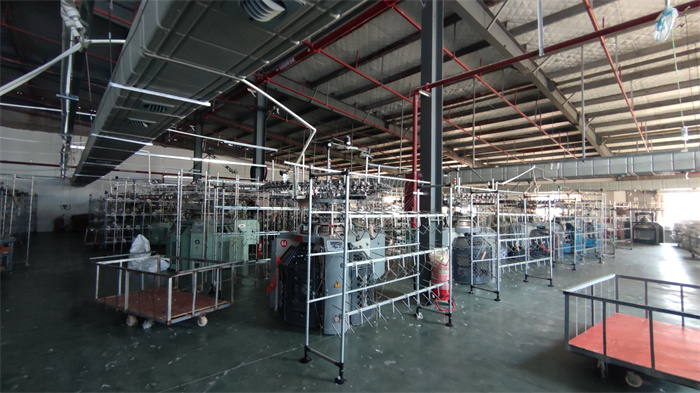
Weaving process
Stage 01

Weaving

High-precision looming ensuring density, yarn-alignment, and initial fabric durability.
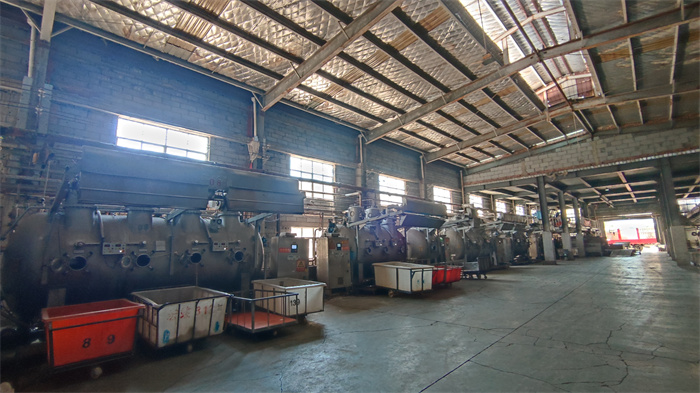
Dyed Cloth process
Stage 02

Dyed Cloth

Color matching and eco-friendly dye penetration for optimal wash and light fastness.
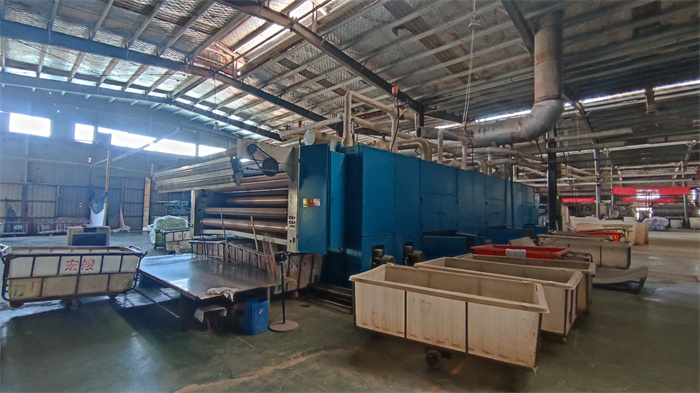
Drying process
Stage 03

Drying

Controlled thermal processing to set the fibers and stabilize fabric structure.
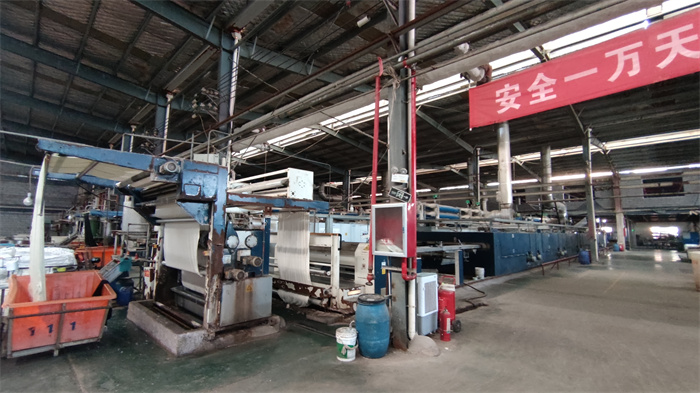
Finalized process
Stage 04

Finalized Fabric

Post-treatment processes to lock in hand-feel, thickness, and wind-breaking attributes.
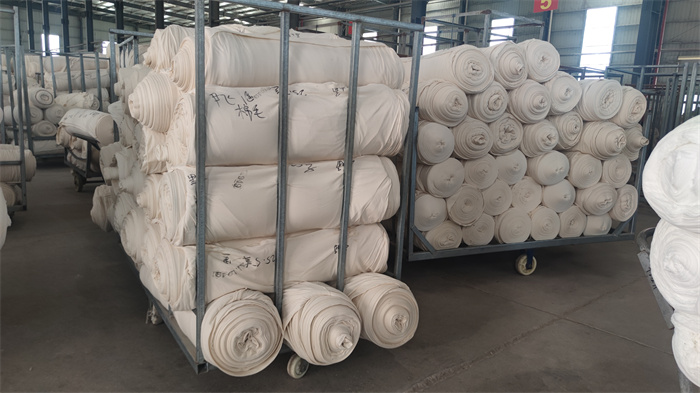
Finished Products
Stage 05

Batch Selection

Fabric classification and verification against original brand-approved swatches.
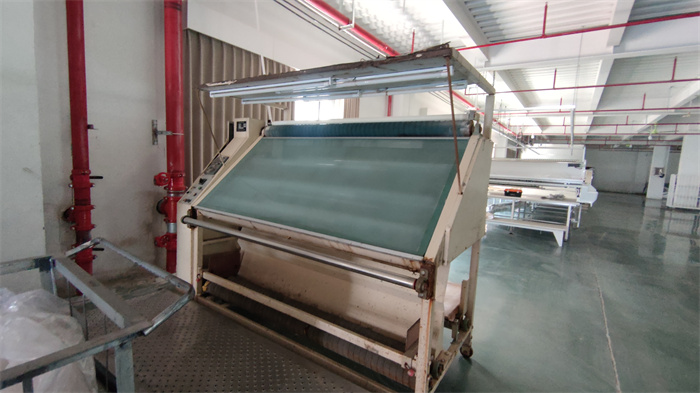
Inspection process
Stage 06

Fabric Inspection

Verification of yarn integrity, weight consistency, and defect mapping before cutting.
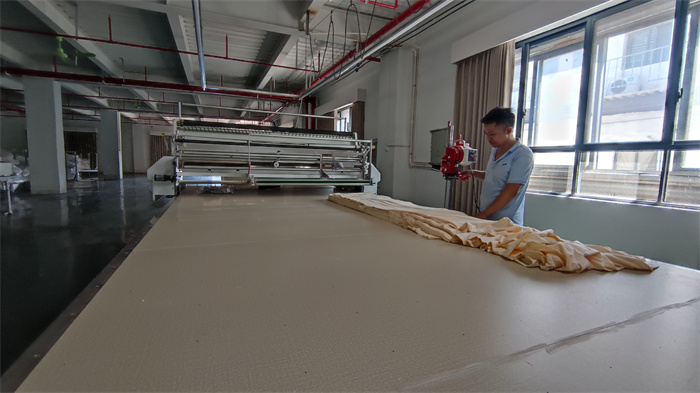
Cutting process
Stage 07

Cutting

Precision alignment and cutting according to digital pattern nests for maximum material yield.
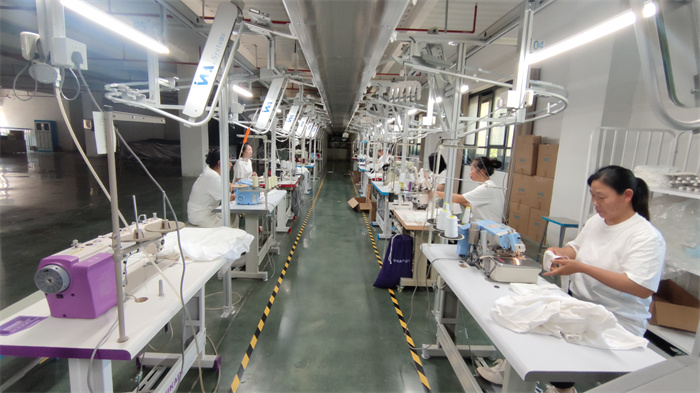
Sewing process
Stage 08

Sewing

High-grade stitching by skilled operators using premium German sewing needles.
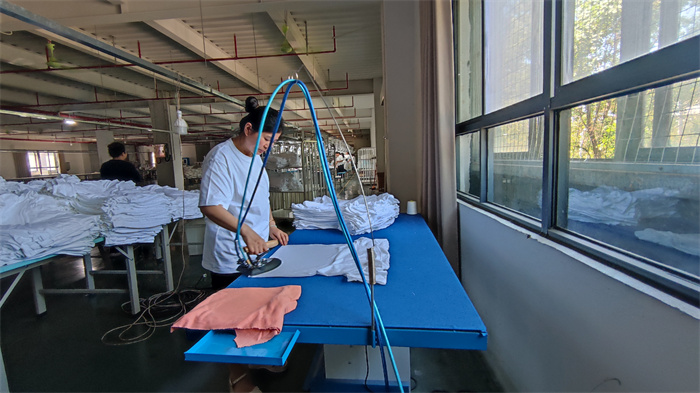
Ironing process
Stage 09

Intermediate Ironing

Pressing seams at calculated pressures to establish the coat’s structured silhouette.
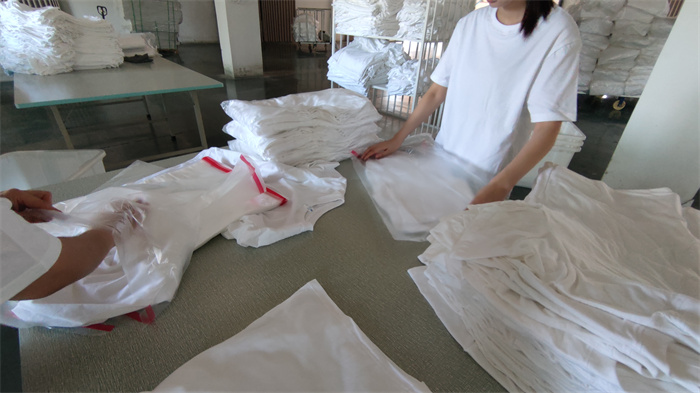
Packing and Finished Products
Stage 10

Final Packing

Careful packing, tagging, and preparation for dust-free, humidity-controlled transit.
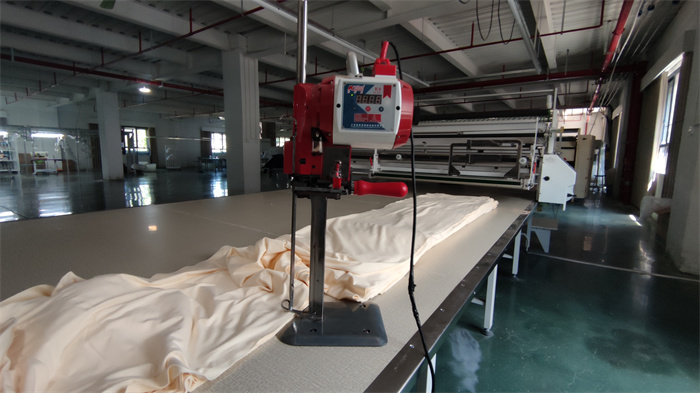
Electric Shearing Machine
Stage 11

Electric Shearing

Advanced cutting machinery providing exact edges on complex pattern contours.
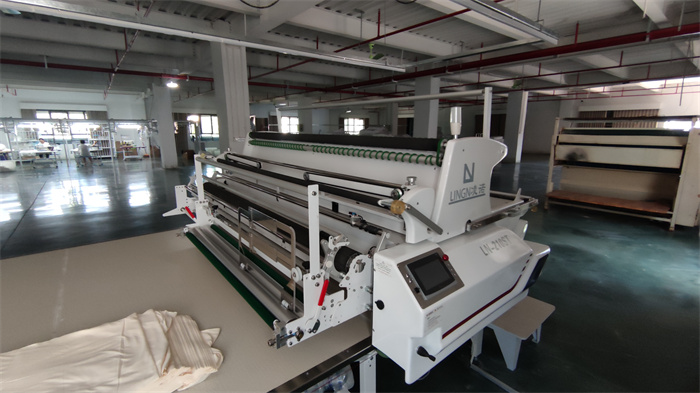
Cloth Laying Machine
Stage 12

Cloth Laying

Automated fabric tension relaxation, preventing downstream shrinkage.
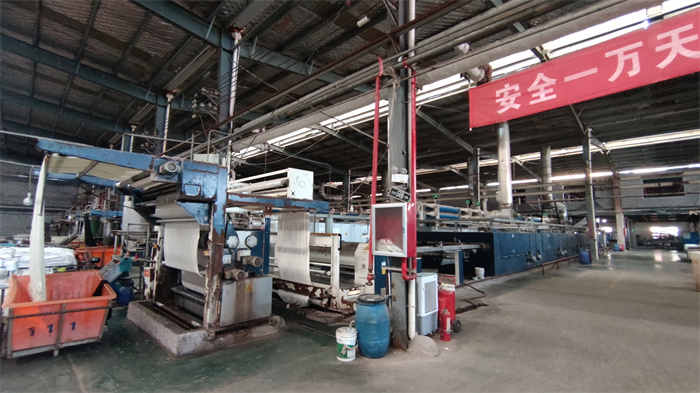
Cloth Shaping Production Line
Stage 13

Cloth Shaping Line

Continuous production alignment ensuring strict adherence to specification sheets.

Global Supply Chain Synergy

China Supply Chain Resilience & Efficiency Advantages

Maintaining a competitive edge in the modern fashion environment requires a strategic combination of European design sensibilities and Chinese industrial scale. By establishing clear lines of communication between designers in Milan and our production facility in Dongguan, brands can optimize their costs while maintaining high quality standards.

This hybrid sourcing model provides three distinct operational advantages:

  • Material Sourcing: Direct access to primary wool auctions in Australia and premium cashmere suppliers in Inner Mongolia, bypassing intermediate trading companies to reduce raw material costs.
  • Advanced Processing: Utilization of specialized machinery, including automated cloth-laying and shaping equipment, which is often cost-prohibitive for smaller European workshops to operate at scale.
  • Turnaround Efficiency: A coordinated design and manufacturing workflow that allows brands to progress from initial runway sketch to localized retail delivery within a single season.

Quality Assurance & Compliance Standards

Our production facilities are systematically audited to ensure compliance with global certifications including ISO 9001 and environmental standards. We monitor every stage of production—from the initial yarn processing to the final stitch—ensuring the completed garments are ready for international retail markets.

Future Technical Roadmap: Modern Outerwear Fabrication

As consumer preferences shift toward sustainable and functional outerwear, our product development team continues to invest in material innovation, including:

  • Recycled Fiber Blends: Integrating Global Recycled Standard (GRS) certified wool and polyester fibers to offer sustainable fabric options.
  • Functional Coatings: Developing lightweight, hydrophobic treatments for wool and cashmere to improve weather resistance without compromising the natural drape and breathability of the fabric.
  • Digital Prototyping: Utilizing 3D pattern simulation software to reduce physical sampling waste, allowing designers to visualize and adjust fit variations virtually.
Sourcing Intelligence

B2B Sourcing & Manufacturing FAQ

Technical answers to help fashion sourcing managers and design directors coordinate production logistics between Milan and China.

What is the standard Minimum Order Quantity (MOQ) for high-end wool and cashmere overcoats?
Our standard Minimum Order Quantity starts at 100 to 300 pieces per style/color, depending on the complexity of the fabric and silhouette requirements. For premium double-faced cashmere and custom dyed-to-match (DTM) wool fibers, the minimums may adjust based on raw material availability. We support scaling brands with trial collection runs to ensure product viability.
How do you maintain design and pattern integrity when working with design offices in Milan?
We operate utilizing standardized CAD software systems to import digital tech packs directly. Our engineering team reviews pattern layouts, seam allowances, and structural interlinings to preserve design integrity. Physical samples are verified against digital dimensions, and we offer fit adjustments through virtual pattern checking or physical sample shipping.
What are your lead times for sample development and bulk production runs?
Initial sample development typically requires 7 to 15 days, assuming the raw fabric is available in our library. Bulk production runs require 30 to 45 days after the final sample approval, depending on the total order size and production schedule. We coordinate with shipping carriers to arrange air or ocean freight to European hubs.
How do you verify the quality and authenticity of wool and cashmere materials?
All incoming fabric rolls are subjected to fiber composition analysis, weight evaluation, and dimensional stability testing. We provide certification documentation for luxury fabric blends (including cashmere, mohair, and alpaca) to guarantee material specifications match client requirements.
How do you handle shipping logistics and custom clearance for delivery into Milan?
We provide comprehensive logistic terms (such as FOB, CIF, or DDP) based on brand requirements. Our logistics team handles packing configurations, customs documentation, and coordinate transport with air and sea freight carriers to manage import processing at European destination ports.