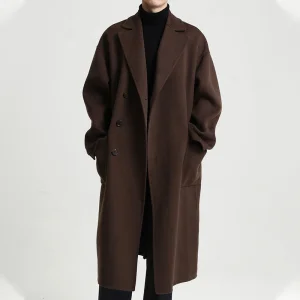
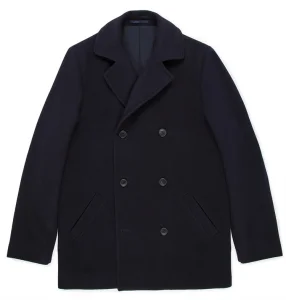
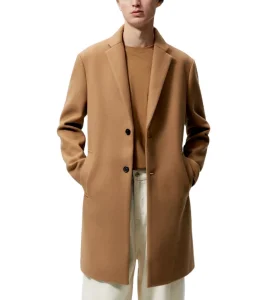
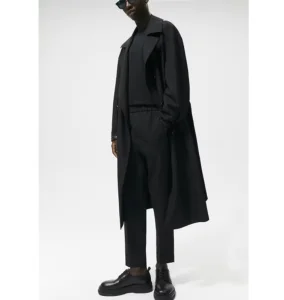
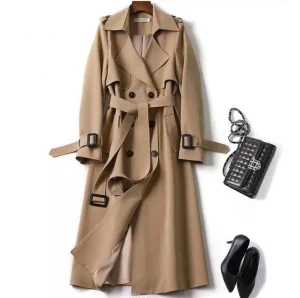
Engineered for cold East Asian climates, featuring precise shoulder tailoring and structural double-faced weaves.
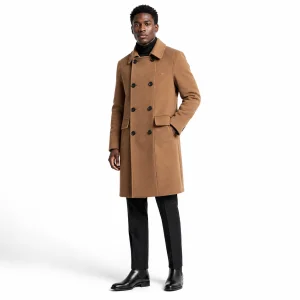
An analysis of East Asia's most influential fashion market and why precise manufacturing is key.
The South Korean apparel market is distinguished globally by its high speed of evolution, design sensitivity, and strict quality demands. With harsh winters brought about by continental high pressures, the premium coats and overcoats category in South Korea is not merely seasonal wear but a dominant fashion statement. South Korea's urban landscape—heavily focused in Seoul metropolitan hubs like Gangnam, Myeongdong, and Hongdae—creates a unique demographic of consumers demanding structural elegance combined with thermal performance.
Historically dominated by Dongdaemun fashion markets for rapid wholesale turnarounds, the South Korean industry has transitioned toward premium private-label brands (such as modern minimalist designer labels) and luxury conglomerates. The modern Korean consumer prioritizes natural fiber blends (primarily cashmere, fine merino wool, and alpaca) and clean silhouette lines over excessive branding. Sourcing departments in South Korea seek reliable manufacturing partners who can handle sophisticated double-faced sewing techniques—which are famously intensive to execute properly without specialized machinery and skilled laborers.
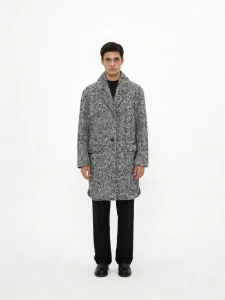
Understanding this, our manufacturing systems optimize patterns to suit the local sizing norms of the South Korean market. The visual balance must feature broad, clean shoulders, draped chest profiles, and exact sleeve length ratios that support layered outfits. Dongguan Eglin Fashion Co., Ltd. serves this demanding market by acting as a highly flexible OEM and ODM manufacturer, providing structural integrity that meets the standards of Korean designer labels.
How changing trade flows, material pricing, and agile manufacturing shape modern outerwear procurement.
Global apparel brands face challenges with raw material volatility and long shipping cycles. Centralized production hubs like Guangdong, China, resolve these issues by housing integrated supply systems that streamline sourcing from fiber spinning to custom dyeing.
Consumers now demand complete product performance data, including pilling resistance, tensile strength, and colorfastness. Partnering with a manufacturer that possesses deep testing protocols guarantees long-term brand equity.
The rise of digital commerce means brands must transition from sketch to storefront within weeks. Standardizing modular sizing and keeping baseline premium textiles on hand allows for quick response times.
In the global market, high-end outerwear remains a high-margin sector with unique manufacturing requirements. Unlike lightweight knitwear or simple cut-and-sew activewear, coats and overcoats must preserve structural shape. This relies on the internal architecture of the garment—using premium canvas interlinings, shoulder pads, and precision steam shaping to build a form that remains pristine through transit and wear. For cold climates like Northern Europe, North America, and Northeast Asia, the thermal capacity to weight ratio is the primary benchmark of value. This dynamic makes premium Chinese manufacturing critical, balancing industrial capacity with high-quality craftsmanship.
Why Dongguan's advanced textile clusters offer unmatched execution and efficiency for the Korean market.
Choosing a manufacturing base in China—specifically in Dongguan, the manufacturing heart of the Pearl River Delta—unlocks key logistical and production advantages. Dongguan is surrounded by a complete industrial network of auxiliary trim suppliers, textile mills, digital printing plants, and advanced garment machinery manufacturers. This concentrated cluster significantly reduces lead times for raw materials compared to other Southeast Asian alternatives.
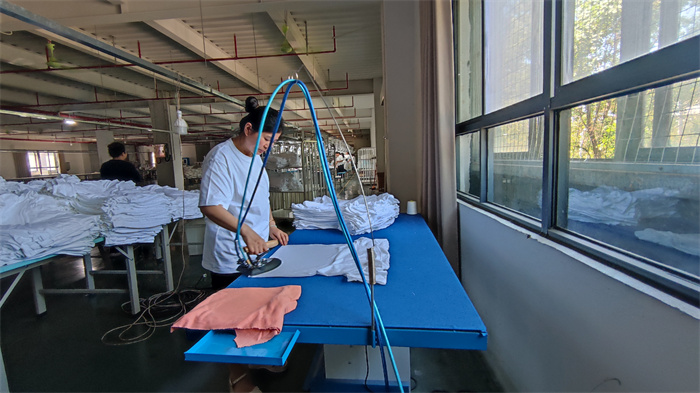
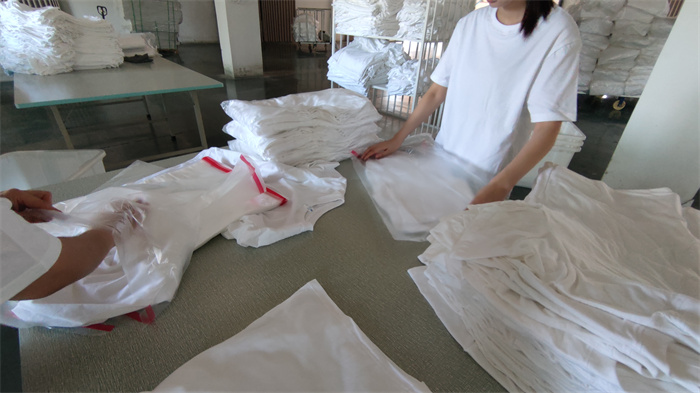
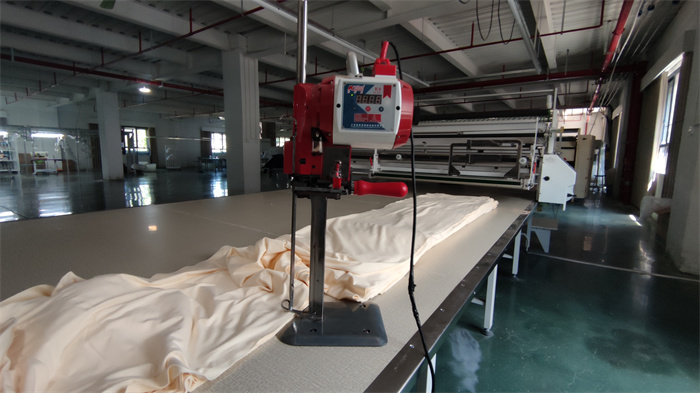
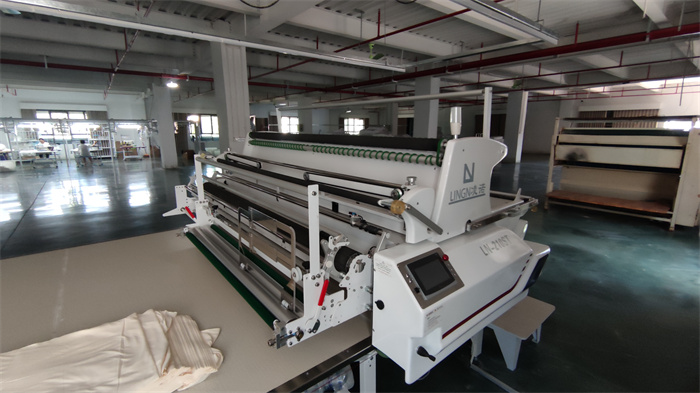
Furthermore, China's apparel manufacturing sector has integrated digital design systems and automated machinery. With automated fabric laying systems, computer-guided laser cutters, and precise temperature-controlled steam pressing lines, human error is minimized. For overcoat production, this technological foundation translates directly to consistency across thousands of units. Every collar points symmetrically, every pocket flap lines up, and the double-faced hand-stitched seams preserve a clean finish.
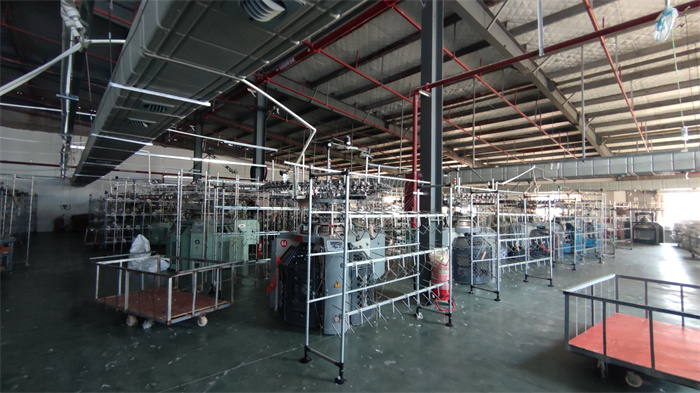
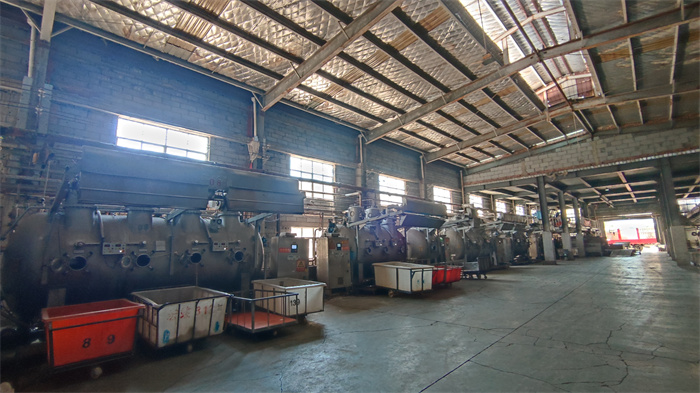
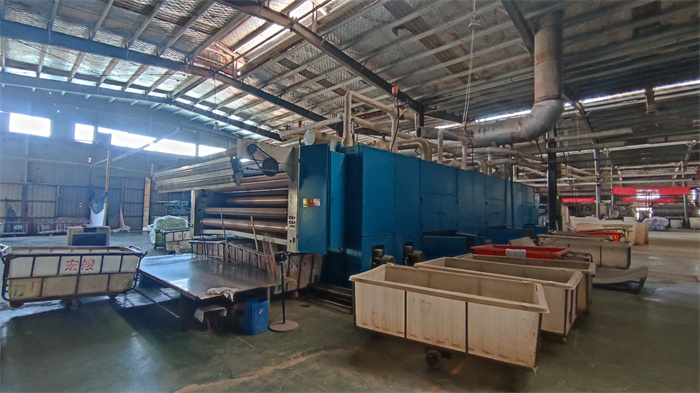
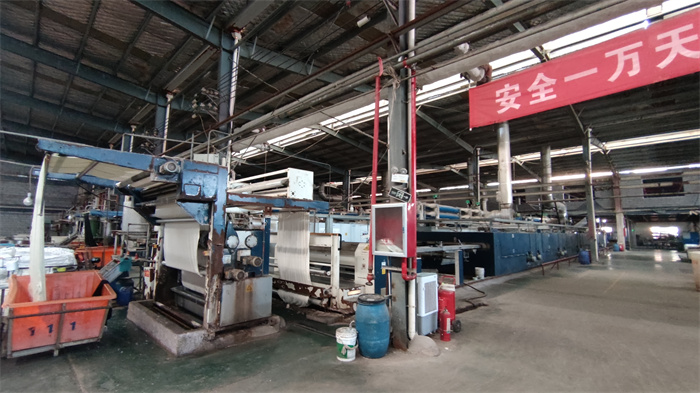
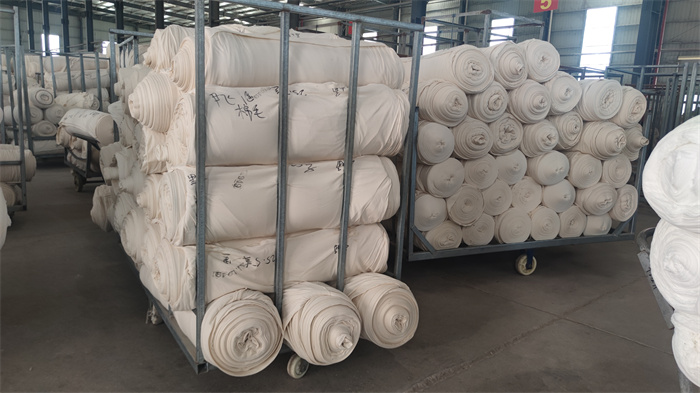
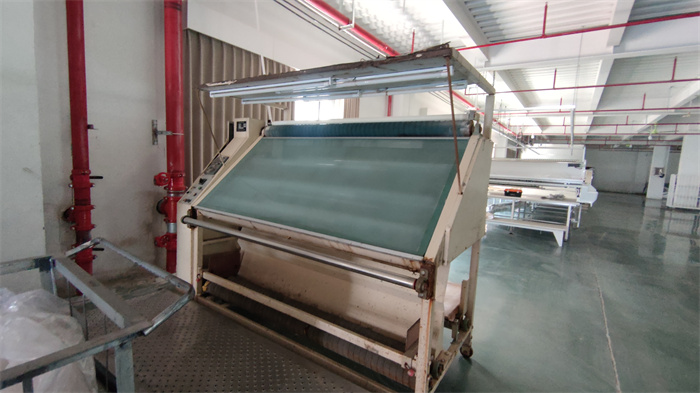
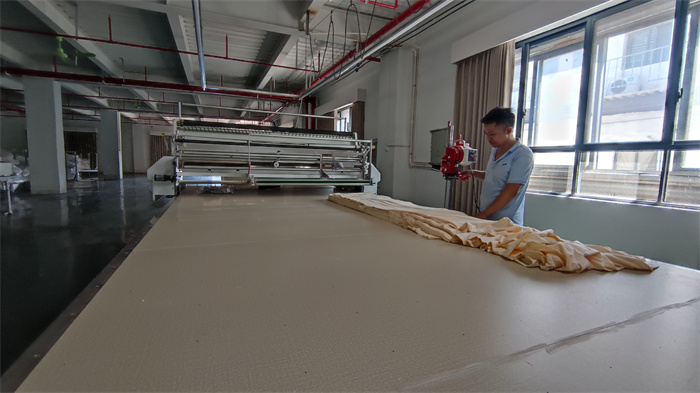
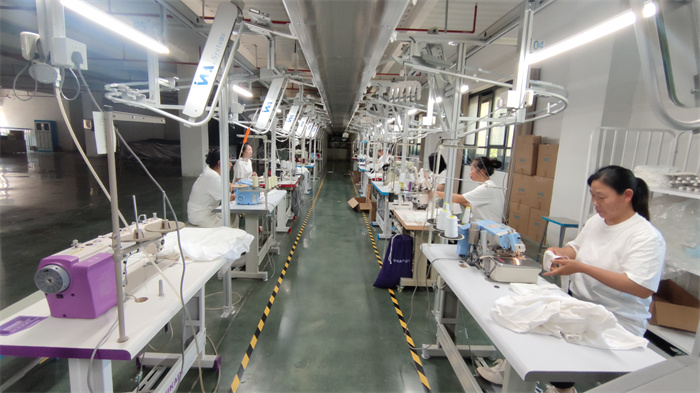
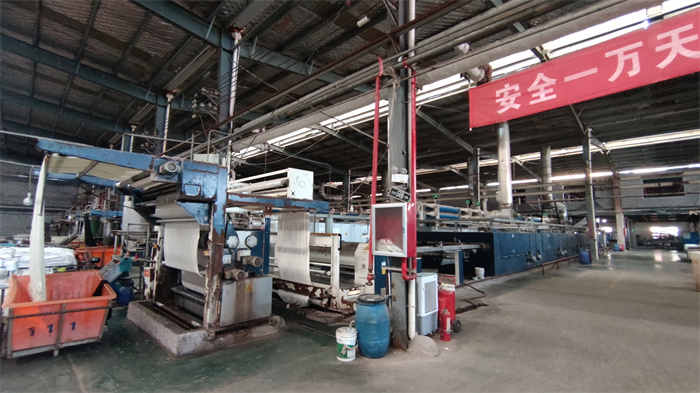
Aligning garment architecture with the lifestyles and styling preferences of East Asia.
For office workers commuting through temperatures below freezing, coats must offer insulation without bulk. Single-breasted and double-breasted 100% fine wool trench coats provide a clean silhouette that layers over professional tailored suits.
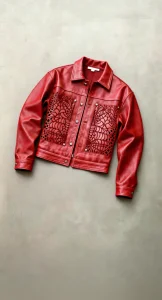
For unisex and youth-centric brands, our oversized leather-accented jackets and unisex bomber coats balance retro styles with modern fits. Drop-shoulder structures and cow-leather accents fit clean Korean streetwear aesthetics.
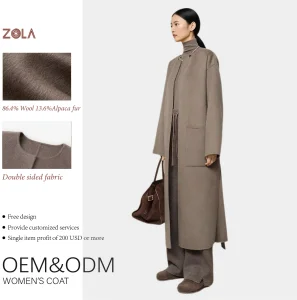
Targeted at contemporary boutique brands, our hooded wool and alpaca coats use high-pile wool for volume. Neutral earth tones and loose silhouettes meet the demand for understated luxury.
Key trends to note for buying teams planning their production runs for 2026 and beyond.
Modern consumers search for traceable, sustainably sourced raw materials. There is an increasing demand for recycled wool, certified organic cashmere, and natural plant fibers like linen for trans-seasonal jackets. Eglin Fashion sources certified fibers and optimizes material processing to reduce carbon footprint while preserving fabric feel.
The contemporary aesthetic leans toward clean, minimal hardware. Fastening details are shifting toward woven buttons, concealed double-breasted closures, and clean hidden pockets. This requires precise pattern engineering to keep the garment's lines clean and natural.
Many of the most popular outerwear designs feature gender-fluid fits. Oversized, unstructured overcoats, drop-shoulder trench coats, and adjustable waist systems allow individual items to appeal to a broader consumer demographic.
Browse our primary catalog of custom woolen overcoats, trench coats, and technical jackets ready for OEM/ODM brand personalization.
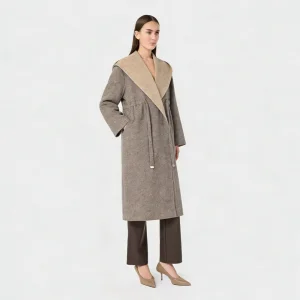
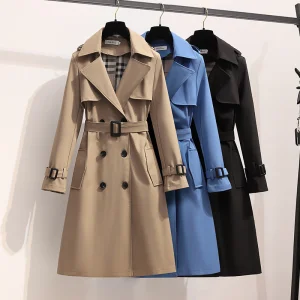
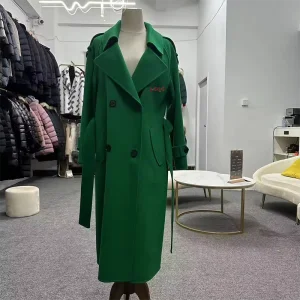
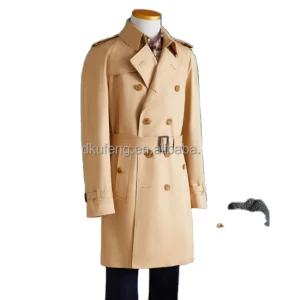
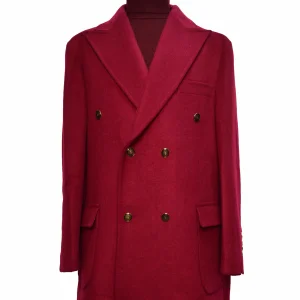
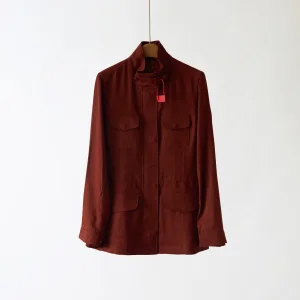
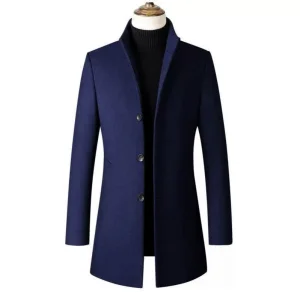
A modern garment development and production partner integrated for quality and consistency.
Dongguan Eglin Fashion Co., Ltd. is not just a traditional apparel manufacturer—it is a modern garment development and production partner built on the integration of aesthetic understanding, technical execution, and rapid response capability.
In an era driven by trends, noise, and overexposure, we choose to return to essentials: silhouette, proportion, and material integrity. We believe meaningful garments do not rely on loud statements, but on precision, restraint, and consistent design logic.
At Eglin Fashion, our philosophy can be summarized as: reduce excess, refine structure, and strengthen execution. Instead of layering unnecessary references, we focus on clarity in construction, fabric selection, and finishing details—ensuring every product communicates a coherent visual and tactile language.
Dongguan Eglin Fashion Co., Ltd. operates as more than a production facility. We function as a development system that bridges creative direction with scalable manufacturing.
We understand the operational rhythm of contemporary streetwear and emerging brands, and translate that into structured production logic:
For designers, founders, independent labels, and KOL-driven fashion projects, we act as both a technical partner and an execution extension of their creative team.
Our collaboration typically includes:
We do not simply “produce garments.” We help translate ideas into systems that can be reliably repeated, improved, and scaled.
At Eglin Fashion, we are not driven by short-term hype or seasonal spikes. We are driven by consistency, clarity, and buildable identity. We produce clothing—but more importantly, we help brands turn intention into structured reality.
Essential questions addressed by our engineering team to streamline your procurement process.
Connect with our pattern engineers and sourcing managers today. Get detailed production analysis, material recommendations, and price quotes optimized for your target market.
Establish Sourcing Partnership Eglin Fashion