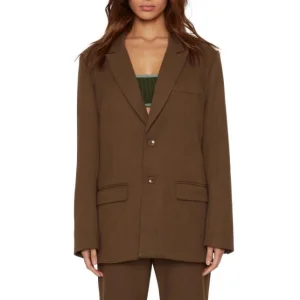
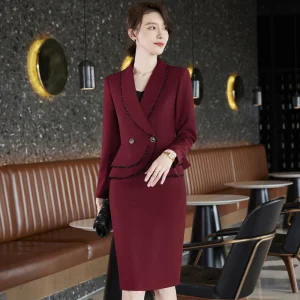
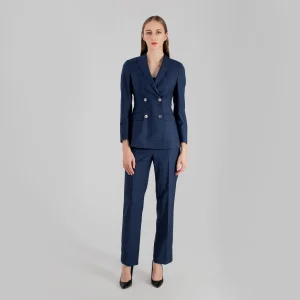
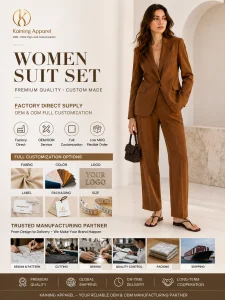
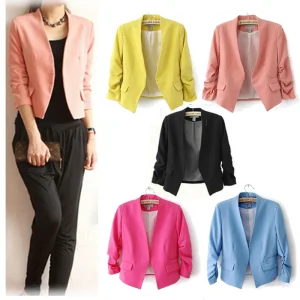
Featured bespoke cuts, premium fabrics, and elegant silhouettes engineered for Montevideo business wear and global distributions.
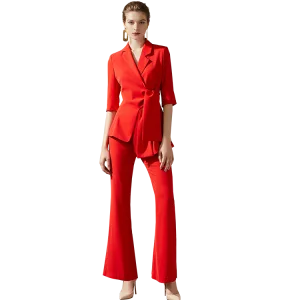
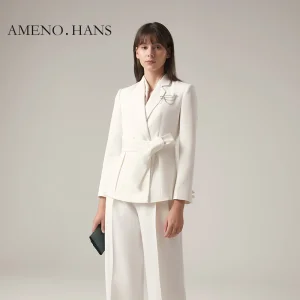
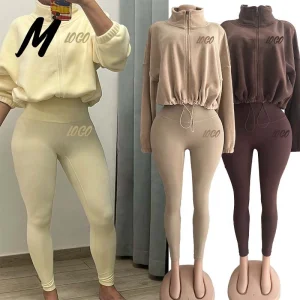
An analytical exploration of material constraints, manufacturing structures, and strategic sourcing options.
The Uruguayan garment market represents an interesting dichotomy within South America's textile trade framework. As a key entry point to the Southern Common Market (MERCOSUR), Uruguay plays a vital role in distribution and high-end fashion design. Despite its rich history in raw wool exports, Uruguay's local assembly capacity for premium structured tailored wear, like blazers and suits, faces distinct economic and industrial hurdles. Rising labor costs within the Montevideo hub and a lack of fully modernized mill operations have shifted Uruguayan brands from regional assembly toward strategic international sourcing.
For brands and corporate buyers in Montevideo, Maldonado, and the Free Zones (Zonas Francas like Zonamerica), local manufacturing presents scale issues. High-end suiting calls for complex manufacturing structures, including shoulder pad assembly, canvas fusing, precision pocket welting, and structured lapel folding. Most local boutique ateliers excel in low-volume, bespoke customization, but they lack the heavy capital investment needed for high-speed automated fabric laying and computerized laser cutting. Consequently, unit economics for scale distribution are unviable locally, leading companies to seek reliable production partners in manufacturing hotspots like China.
Uruguayan retail brands are experiencing a shift in consumer demand. Post-pandemic professional life has given rise to the "relaxed tailored" look, blending traditional structural shapes with flexible, breathable fabrics. In professional centers like the World Trade Center Montevideo, demand is growing for unconstructed blazers that can transition from formal corporate setups to high-end casual environments. Key trends shaping product development in this region include:
Importing structured clothing into Uruguay requires navigating MERCOSUR's Common External Tariffs (AEC) and handling complex custom clearances. To keep supply chains profitable, brands look for manufacturers that offer transparent documentation, accurate fabric composition certificates, and direct shipping lines. Using sea routes from China to the Port of Montevideo allows for container-level bulk shipping that balances transport costs and matches market demands.
How Dongguan Eglin Fashion Co., Ltd. marries digital production engineering with custom manufacturing demands.
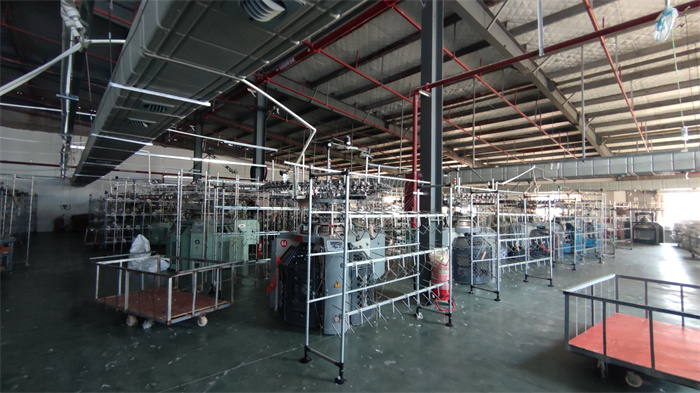
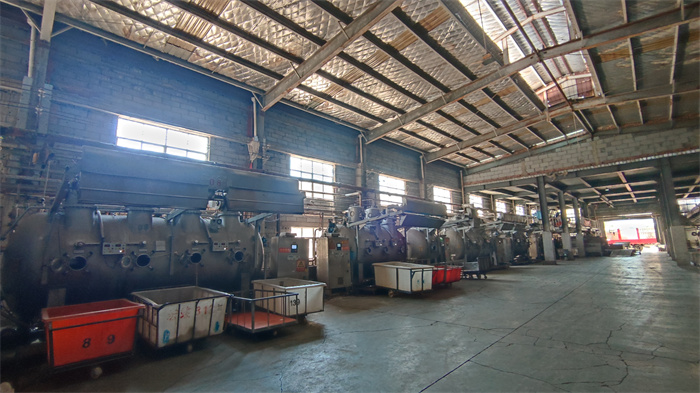
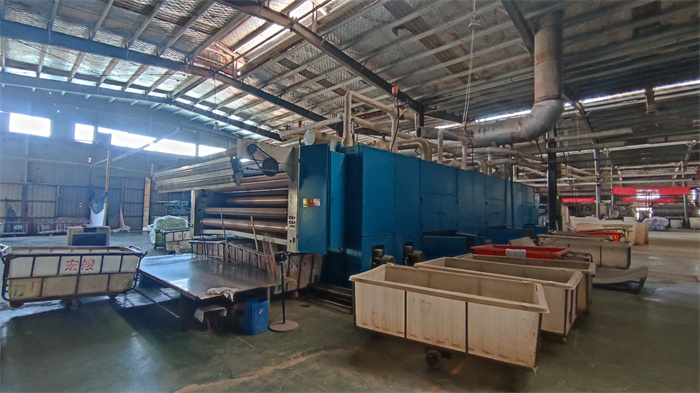
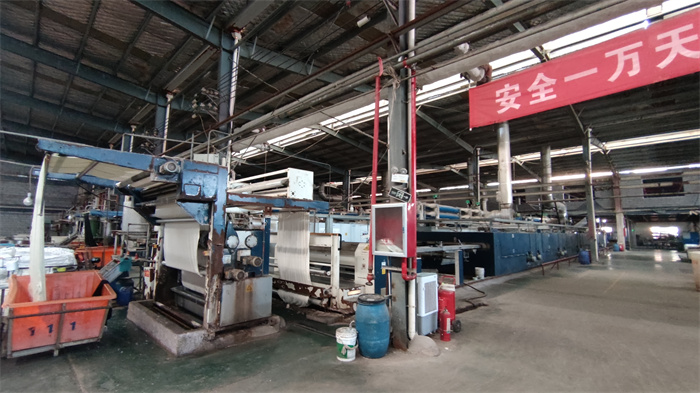
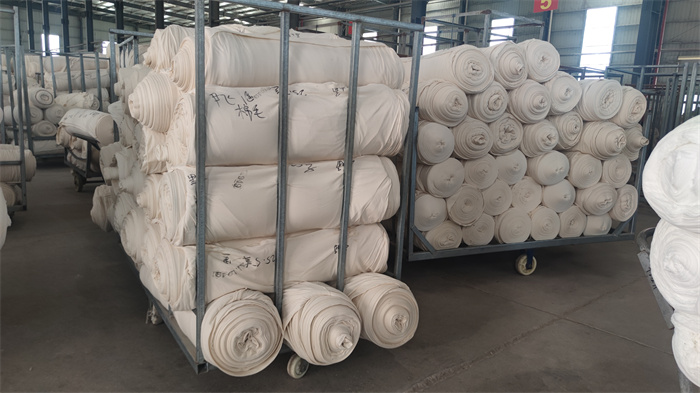
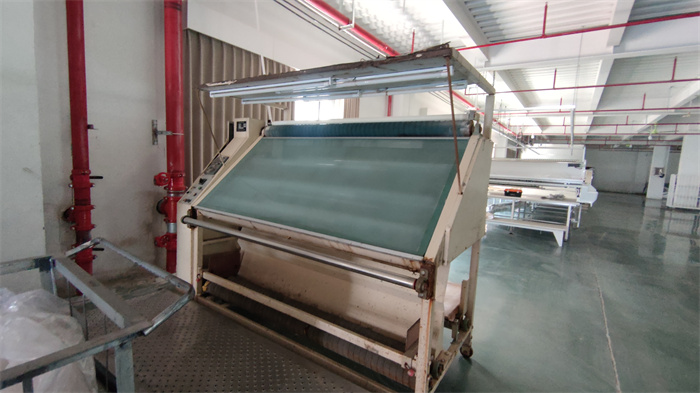
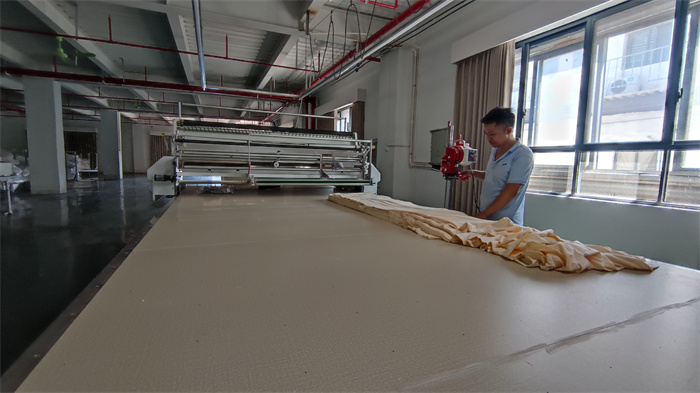
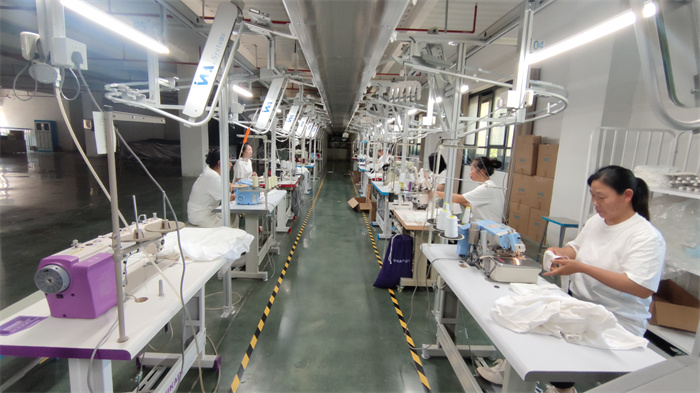
As the fashion market demands faster turnarounds, traditional apparel assembly line frameworks are falling behind. At Dongguan Eglin Fashion, we have transformed our production floors into a responsive development system. Moving past the manual cutting and sewing tables of the past, we use computerized layout models, automated cutting plotters, and real-time step-by-step quality inspections.
Our digital ecosystem ensures that the design patterns created for a brand are translated exactly to bulk assembly. By using digital marker systems, fabric waste is cut down by up to 12%. At the same time, computer-guided stitching ensures that sleeve joints and lapel shapes stay uniform across batches of 500 to 10,000 units. For Uruguayan labels looking to stand out in the premium retail sector, this technological edge guarantees consistent sizing and fit across every run.
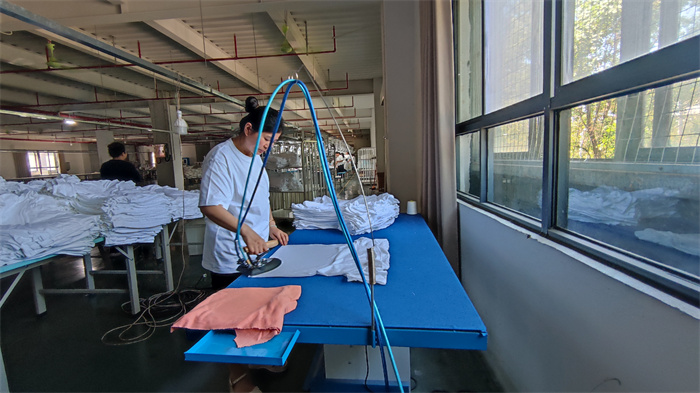
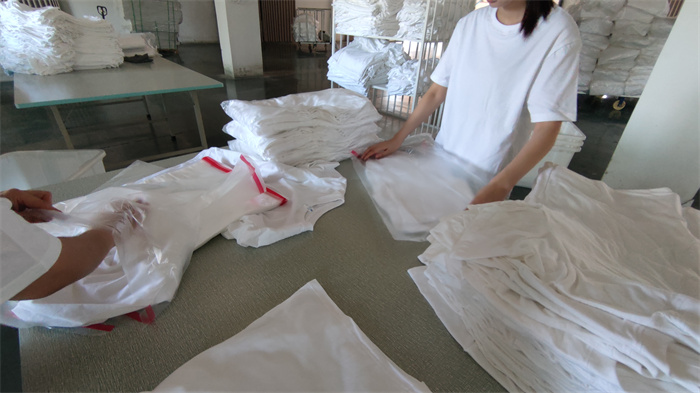
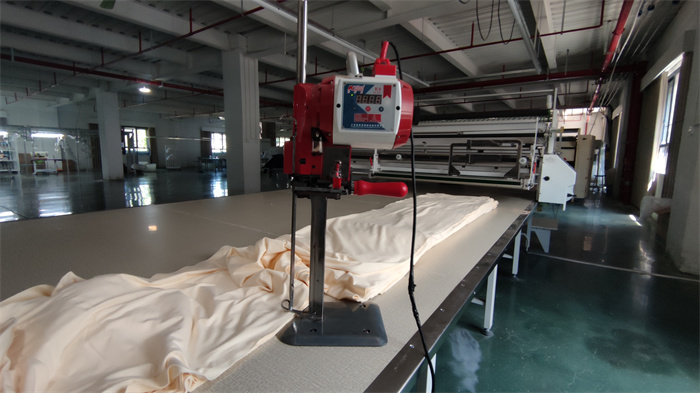
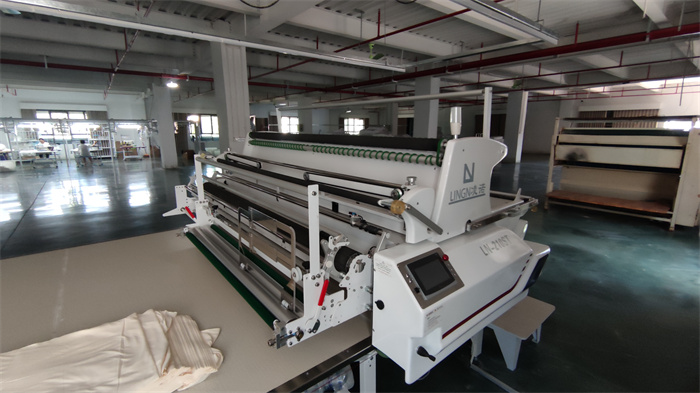
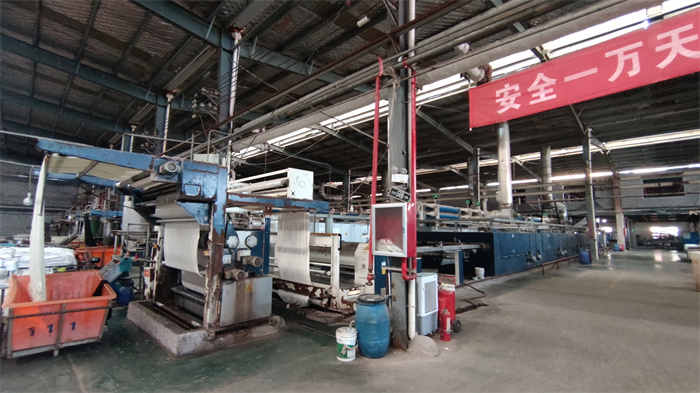
Building systems that convert creative intentions into scalable manufacturing realities.
Dongguan Eglin Fashion Co., Ltd. is not just a traditional apparel manufacturer—it is a modern garment development and production partner built on the integration of aesthetic understanding, technical execution, and rapid response capability.
In an era driven by trends, noise, and overexposure, we choose to return to essentials: silhouette, proportion, and material integrity. We believe meaningful garments do not rely on loud statements, but on precision, restraint, and consistent design logic.
At Eglin Fashion, our philosophy can be summarized as: reduce excess, refine structure, and strengthen execution. Instead of layering unnecessary references, we focus on clarity in construction, fabric selection, and finishing details—ensuring every product communicates a coherent visual and tactile language.
We function as a development system that bridges creative direction with scalable manufacturing. We understand the operational rhythm of contemporary streetwear and emerging brands, and translate that into structured production logic:
For designers, founders, independent labels, and KOL-driven fashion projects, we act as both a technical partner and an execution extension of their creative team. Our collaboration typically includes:
We do not simply “produce garments.” We help translate ideas into systems that can be reliably repeated, improved, and scaled.
How our tailored garments meet specific local requirements.
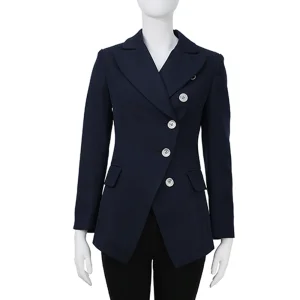
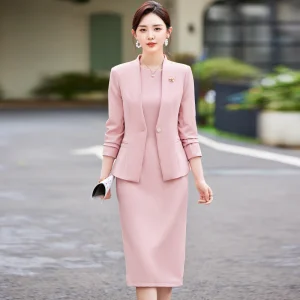
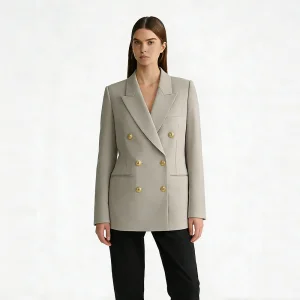
Designed for financial professionals in high-profile areas. These suits balance classic cuts with modern comfort, offering wrinkle-resistant options for long workdays and client meetings.
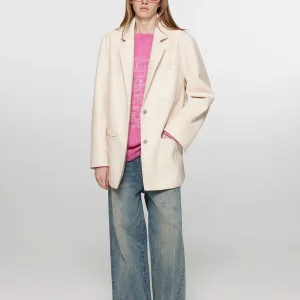
Ideal for coastal events and boutique collections. Made with breathable rayon-cotton blends that look effortlessly sophisticated and comfortable under the warm sun.
Durable, structured blazers built for airline crew members and high-end hospitality teams in Uruguay, engineered to withstand repeated cleaning and daily wear.
Understanding shipping processes, custom options, and ordering systems from China to Uruguay.
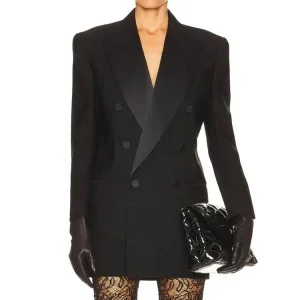
Discover a wider range of styles, from waterproof technical blazers to formal tuxedos, optimized for premium global markets.



 Eglin Fashion