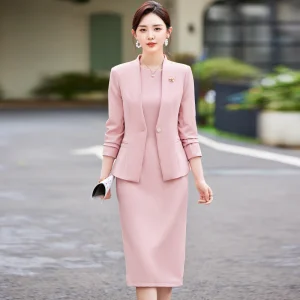
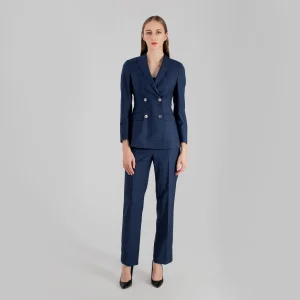
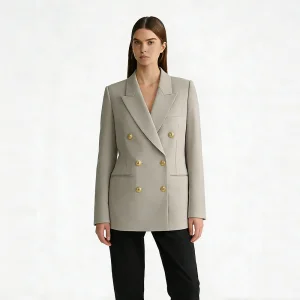
Premium structured designs engineered for office efficiency, high-profile business districts, and formal corporate functions in Nagoya and the wider Chubu economic zone.
Nagoya, the industrial beating heart of Japan's Chubu region, demands a sophisticated blend of traditional corporate conformity and cutting-edge functional fashion. As a major logistics hub connected directly through the Port of Nagoya, businesses in Sakae, Meieki, and surrounding industrial cities require partner factories that offer precision pattern-making, high fabric resilience, and robust compliance guarantees.
Whether catering to corporate uniform procurement programs for multinational engineering conglomerates or local fashion retailers designing the next season's high-street lines, our production pipeline integrates seamlessly with Japan's meticulous quality control expectations. We construct suits and blazers that stand up to the grueling demands of commuter life in central Japan while retaining elegant drape and structural longevity.
A Garment Manufacturing & Development System bridging creative direction with scalable manufacturing.
Dongguan Eglin Fashion Co., Ltd. is not just a traditional apparel manufacturer—it is a modern garment development and production partner built on the integration of aesthetic understanding, technical execution, and rapid response capability.
In an era driven by trends, noise, and overexposure, we choose to return to essentials: silhouette, proportion, and material integrity. We believe meaningful garments do not rely on loud statements, but on precision, restraint, and consistent design logic. At Eglin Fashion, our philosophy can be summarized as: reduce excess, refine structure, and strengthen execution. Instead of layering unnecessary references, we focus on clarity in construction, fabric selection, and finishing details—ensuring every product communicates a coherent visual and tactile language.
We understand the operational rhythm of contemporary streetwear and emerging brands, translating complex concepts into structured production logic:
For designers, founders, independent labels, and retail procurement teams in Nagoya and across Japan, we act as both a technical partner and an execution extension of their creative team.
✦ Feasibility & Optimization
We perform technical feasibility analysis of design sketches from a scalable production perspective, optimizing seams, canvas construction, and lining materials.
✦ Cost & Manufacture Balance
We help balance cost structures with manufacturing capabilities, matching the target price-point without diluting aesthetic values.
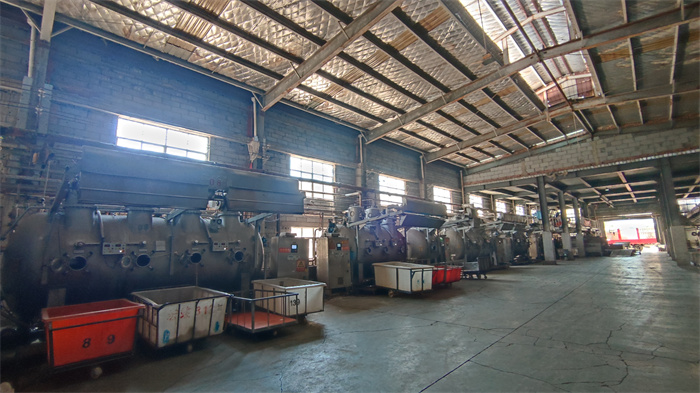
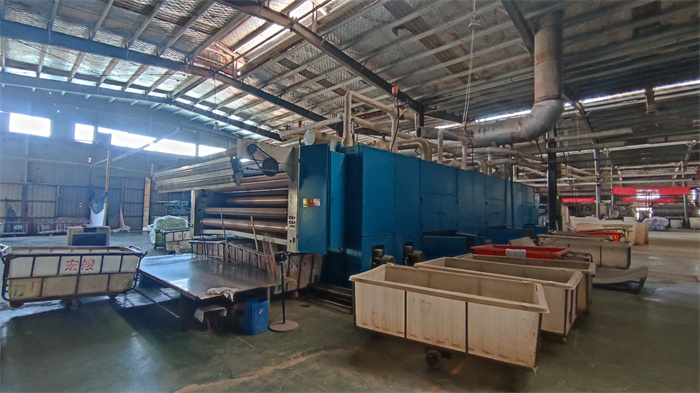
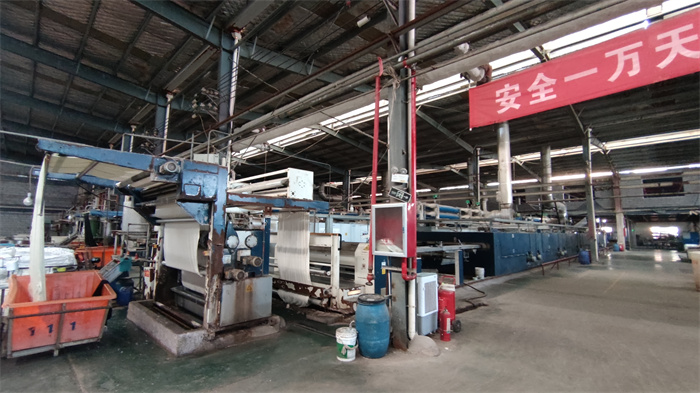
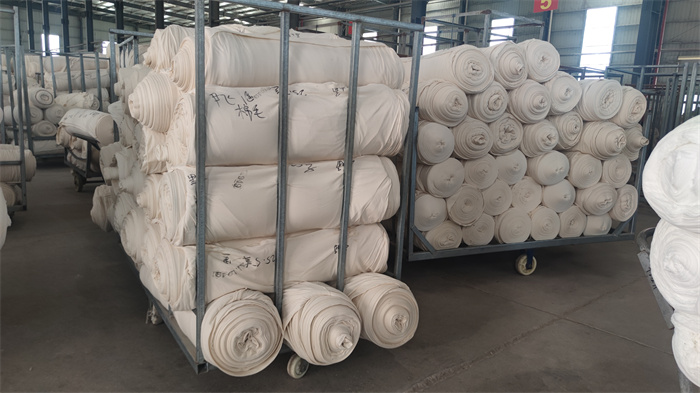
A rigorous 13-stage manufacturing process, combining state-of-the-art machinery with human craftsmanship to deliver impeccable tailoring for the Japanese market.
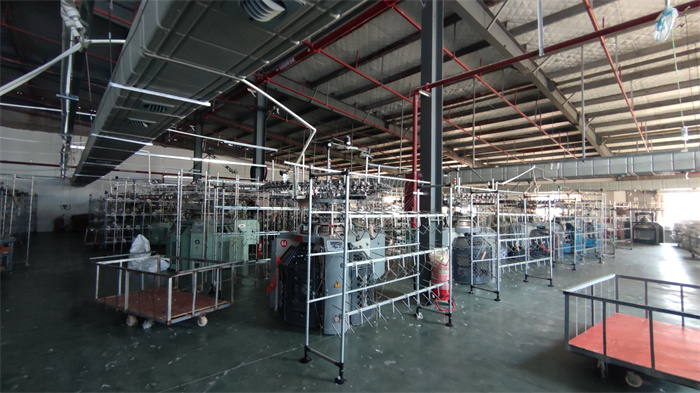
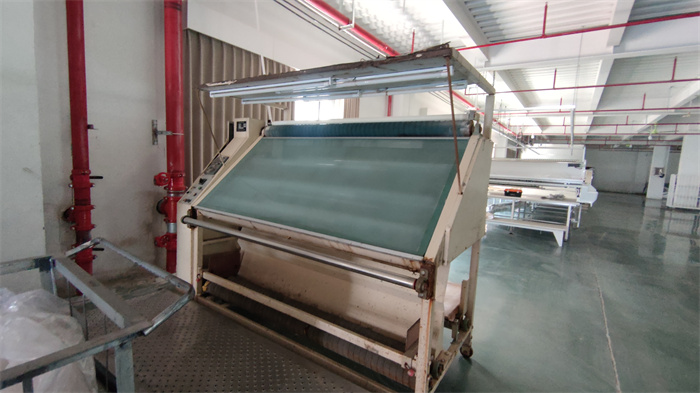
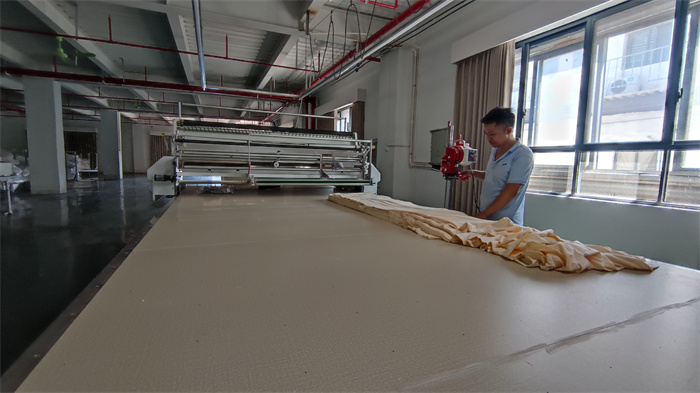
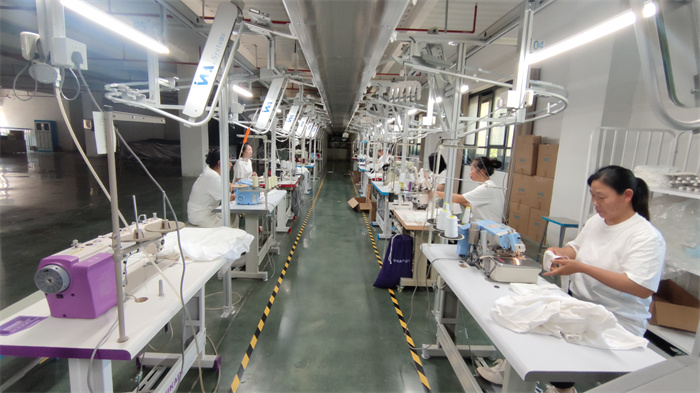
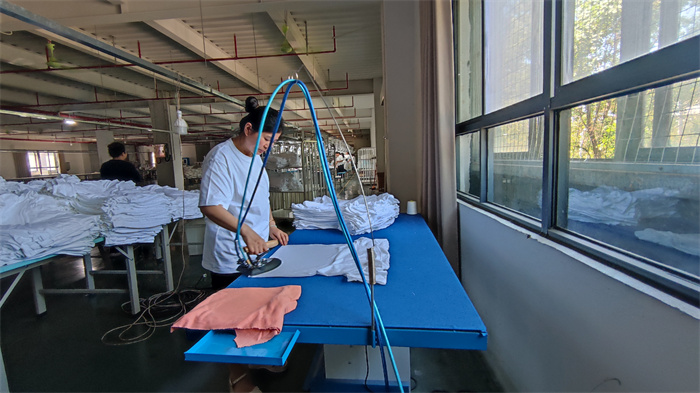
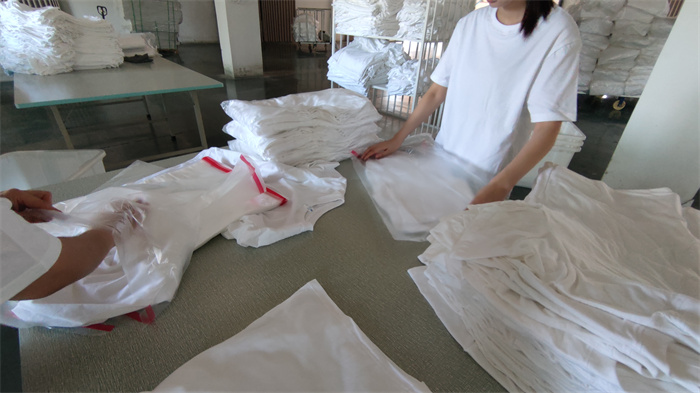
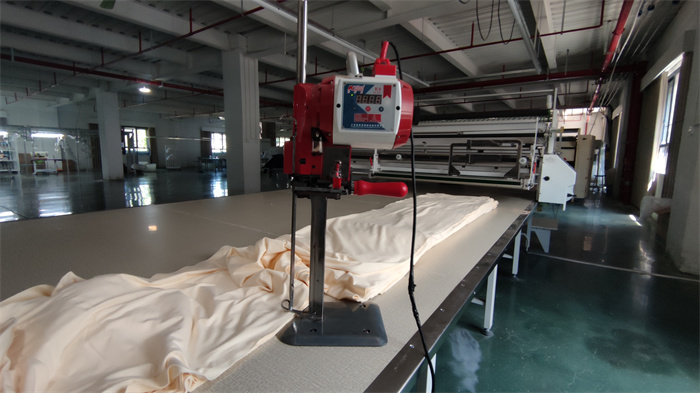
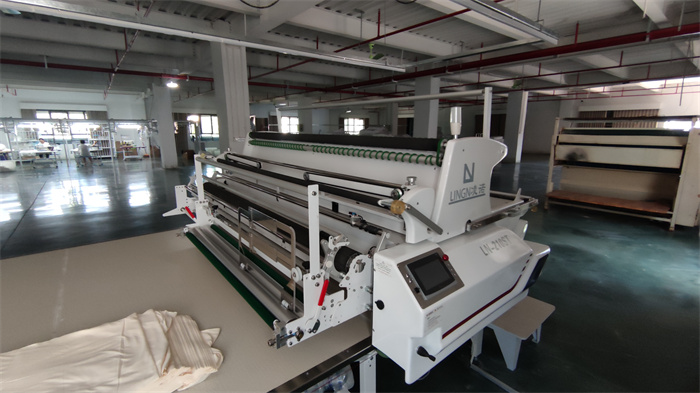
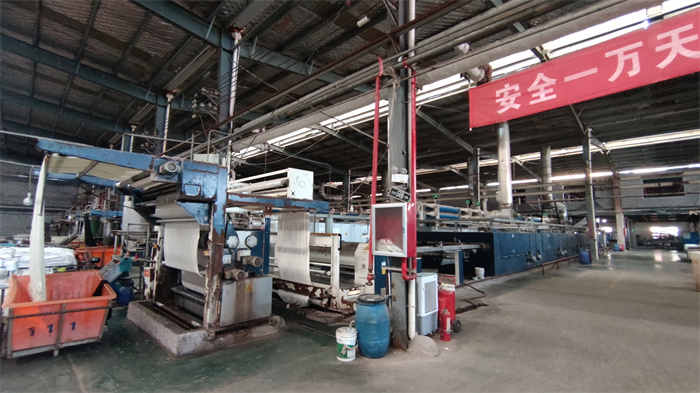
Providing Nagoya-based enterprises with structural transparency and reliable digital procurement strategies.
By migrating traditional physical drape models to 3D CAD platforms, we guarantee accurate pattern consistency down to the millimeter. This eliminates sample iterations and speeds up localized fit updates for the unique proportions expected by Japanese consumers.
Located in Dongguan, our factory utilizes the massive export clusters of South China. Goods are processed quickly through local custom centers and loaded onto fast-transit vessels arriving at Nagoya port within a fraction of traditional continental lead times.
Explore customized silhouette options, premium materials, and specialized functional outer fabrics developed for Japanese design houses.
Expert answers addressing MOQ requirements, technical compliance, and logistical pipelines directly serving Aichi Prefecture.
We maintain flexible MOQ tiers depending on fabric sourcing availability. For standard catalog colors and in-stock wool blends, our starting MOQ is typically 100-200 units per style. For custom-dyed fabrics or bespoke hardware trims, the MOQ starts at 500 units. This allows Nagoya retail startups and growing brands to scale their inventories with minimal upfront exposure.
Our facility operates a dedicated, isolated inspection zone equipped with high-sensitivity conveyors. All blazers, suits, and pants must pass twice through our calibrated detection system to locate stray metallic elements before the garments are steam pressed, tag-sealed, and packaged in protective boxes for export.
Once the manufacturing cycle is complete, maritime shipping from Shenzhen or Nansha port to the Port of Nagoya takes approximately 7 to 10 days. We also coordinate with air-freight services via Guangzhou or Hong Kong international airports for express delivery to Central Japan International Airport (Centrair) within 3 to 5 business days.
Yes, we provide valid RCEP (Regional Comprehensive Economic Partnership) certificates of origin with all shipments to Japan. This allows importers in Nagoya to claim preferential tariff treatments, significantly reducing overall landed costs compared to importing from non-member regions.
Absolutely. Our pattern makers have extensive experience modifying western silhouette profiles into shorter, narrower-shouldered Japanese fit specifications (standard JIS sizes). We will optimize your specifications for accurate chest-to-waist ratios to prevent bunching at the collar or chest.
We source premium fusible or half-canvas interlinings that retain structural memory despite high humidity. Every batch of fabric undergoes testing for colorfastness, shrinkage, and piling resistance to guarantee your blazers remain sharp through consecutive seasonal cleanings.
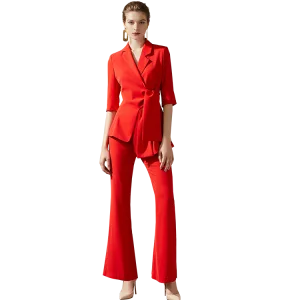
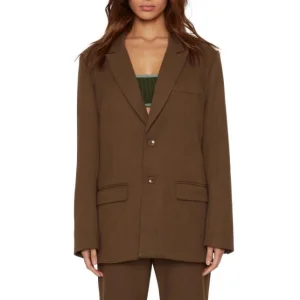
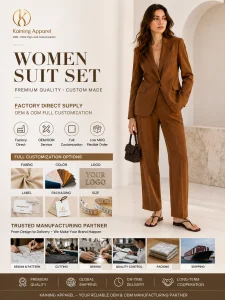
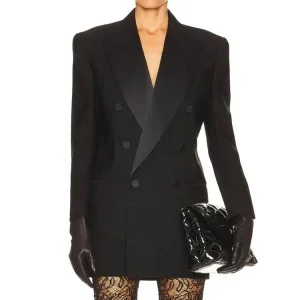
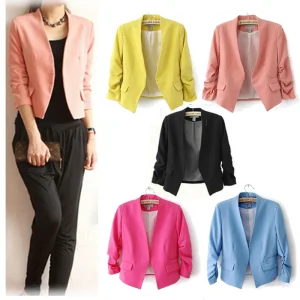
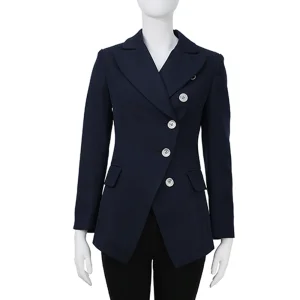
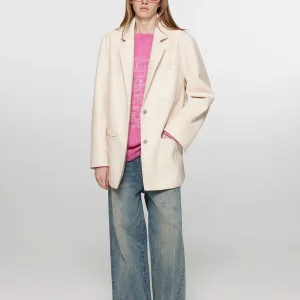
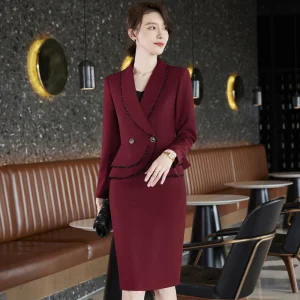
A comprehensive inventory of modern outerwear, structured blazers, and versatile trousers designed to serve Nagoya's leading corporate, casual, and formal fashion sectors.
 Eglin Fashion