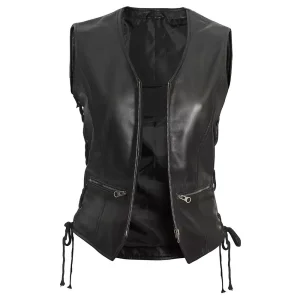
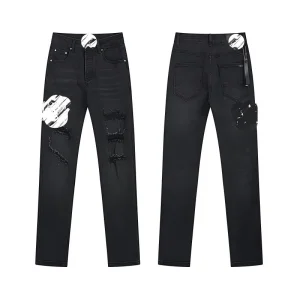
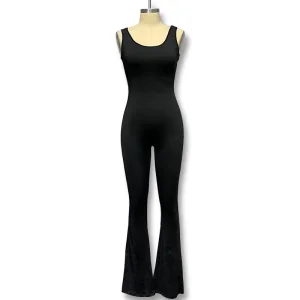
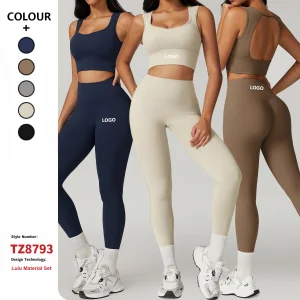
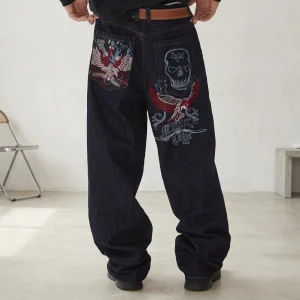
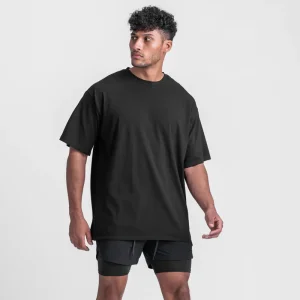
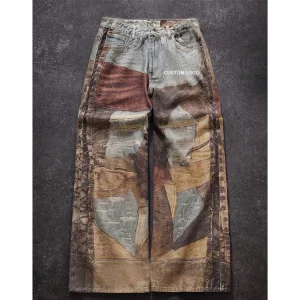
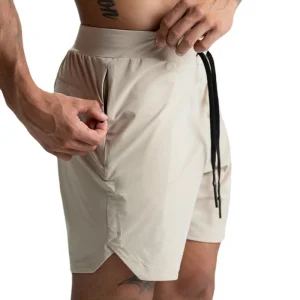
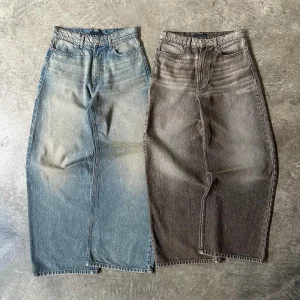
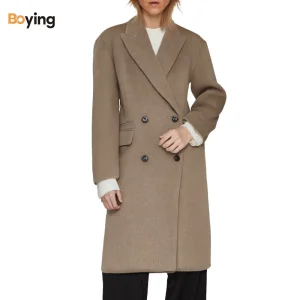
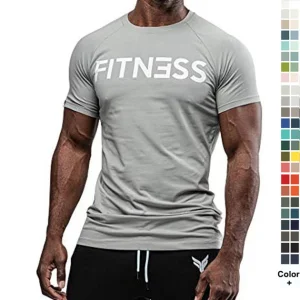
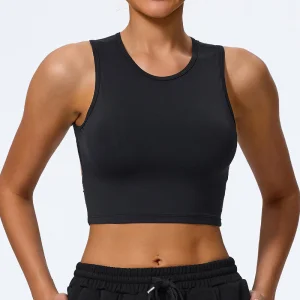
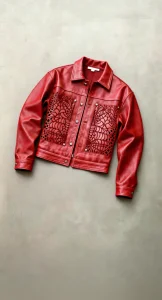
Explore our precision-engineered garments spanning high-end streetwear, premium lifestyle wear, and specialized technical activewear lines developed directly in our advanced factories.
In the contemporary apparel landscape, thermal base layers have undergone a fundamental shift from heavy, cumbersome insulation options to high-tech, bio-adaptive, and visually refined structural garments. As global consumer demand aligns with functional performance, selecting a premier OEM/ODM thermals factory becomes a critical driver of brand equity and product durability. Modern thermals represent the ultimate fusion of material intelligence, ergonomic pattern design, and advanced thermal retention dynamics.
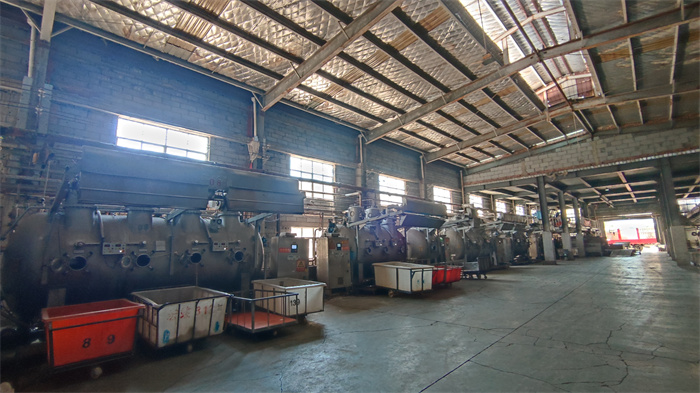
At Dongguan Eglin Fashion Co., Ltd., we serve as a dedicated systems integrator. We bridge the gap between creative visual directions and complex, highly repeatable garment production lines. Our specialized manufacturing facility operates not merely as a traditional assembly shop, but as an advanced textile development platform equipped to optimize fabric structures, heat retention values, and moisture-wicking capacities.
The Chinese textile manufacturing ecosystem—specifically based in the industrial hubs of Dongguan—presents unparalleled advantages for international brands seeking OEM and ODM thermals solutions. This dominance relies on a trifecta of fabric innovation, hyper-localized supply chains, and specialized automated processing systems.
Integration of hollow-core synthetic fibers, thermal conductive graphene finishes, and sustainable organic-merino blends to maximize heat retention and breathability.
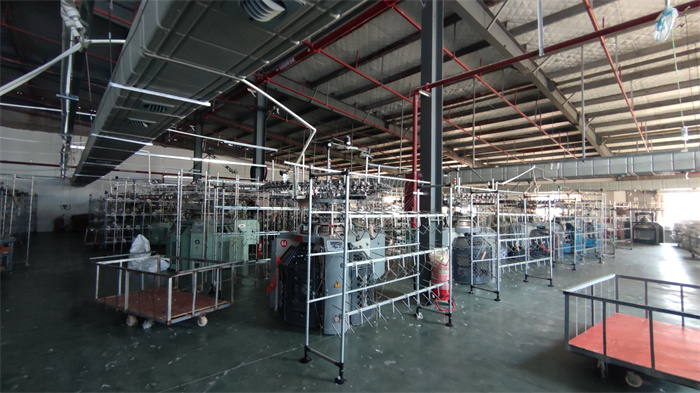
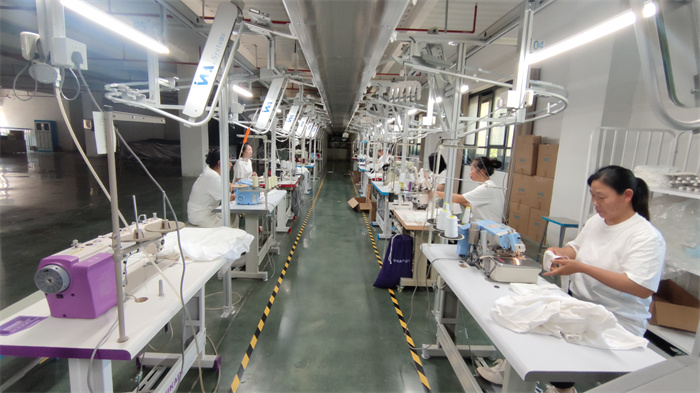
Utilization of advanced four-needle, six-thread flatlock machinery minimizing internal seam friction, perfect for base-layer athletic performance.
Dongguan's adjacent raw material markets allow us to convert initial tech packs into physical pre-production samples within days rather than weeks.
Dongguan Eglin Fashion Co., Ltd. operates beyond standard manufacturing boundaries. We treat garment construction as a scientific discipline, built upon the integration of design logic and high-volume production efficiency. Our design approach revolves around: reducing excess, refining structure, and strengthening execution.
Refining pattern-making architectures to guarantee balanced physical proportions, thermal contour fitment, and dynamic body movement support.
Carefully evaluating base materials according to fiber density, stretch resilience, wash durability, and targeted thermal resistance metrics.
Applying advanced flatlock stitching, anatomical paneling, and tailored trims to maintain structural integrity under extreme outdoor stress.
For modern performance labels, start-ups, and established outdoor retailers alike, we function as a natural extension of your engineering team, evaluating design sketches, streamlining cost allocations, and scaling production volumes seamlessly.
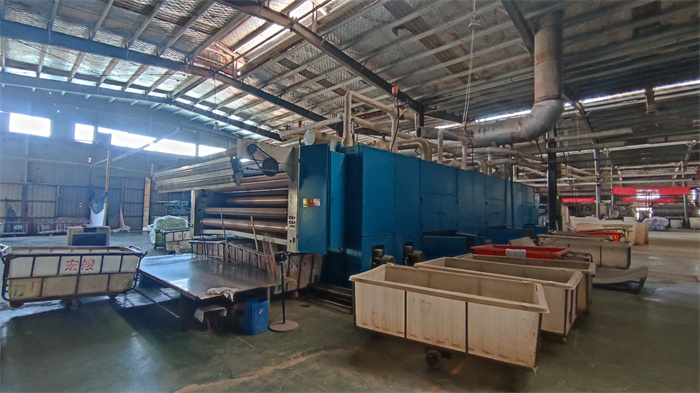
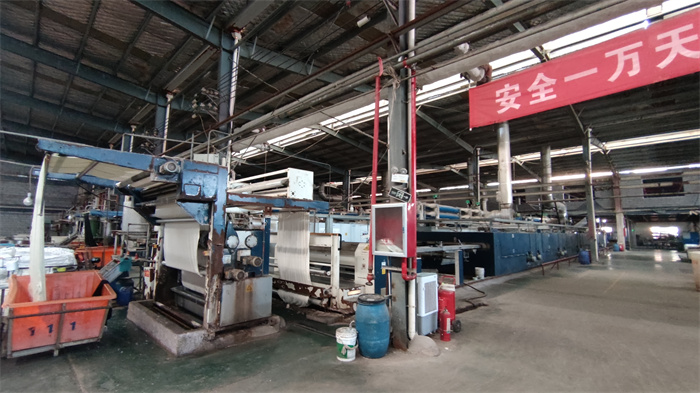
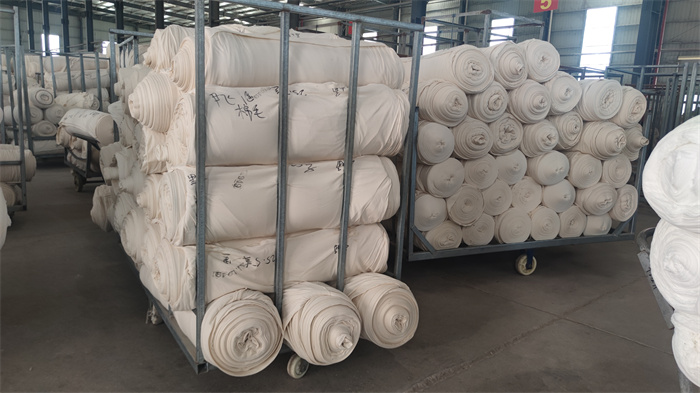
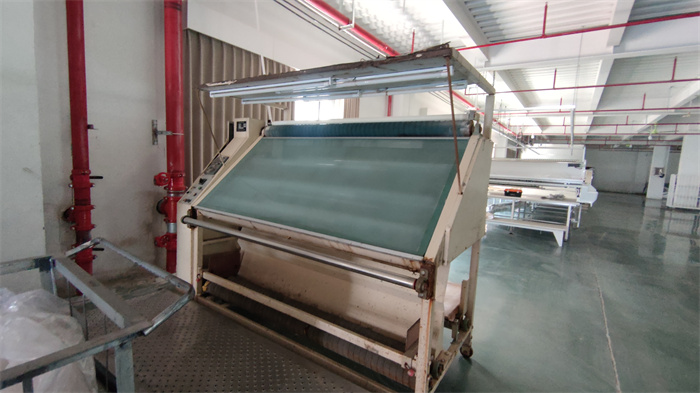
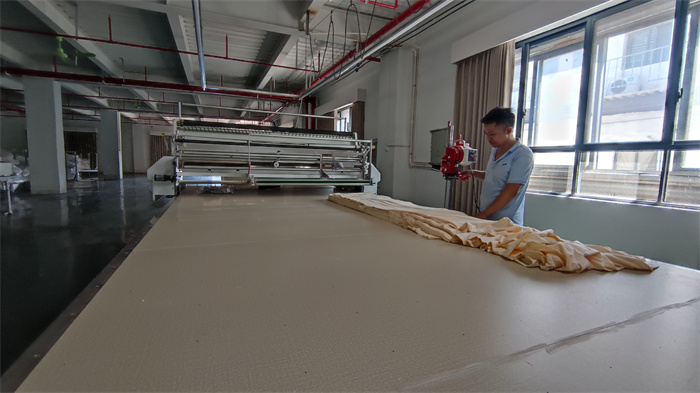
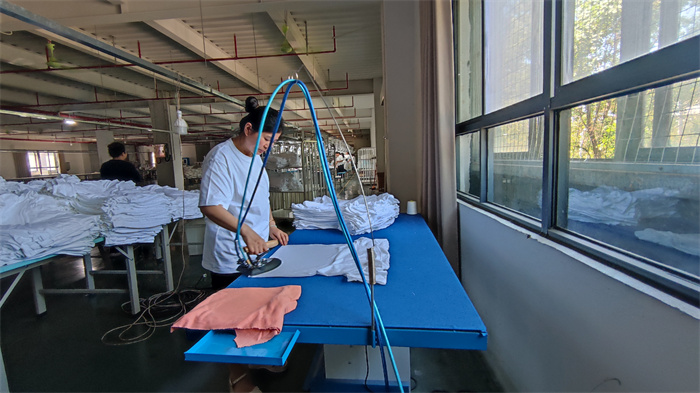
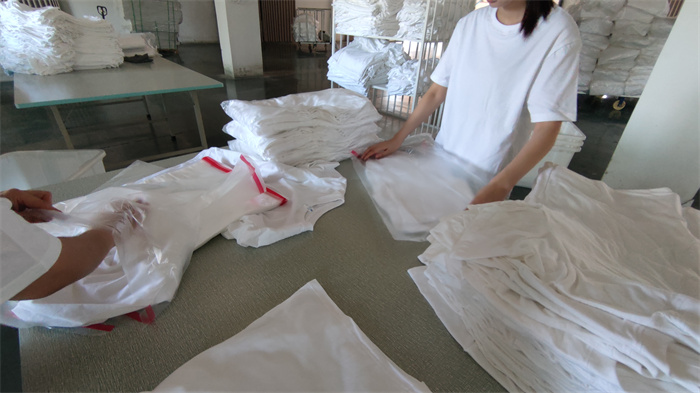
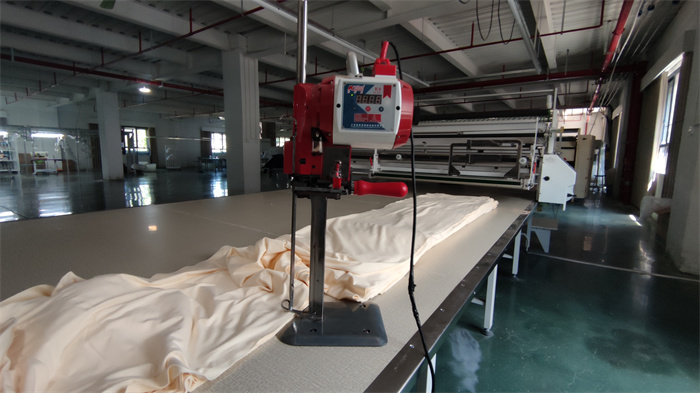
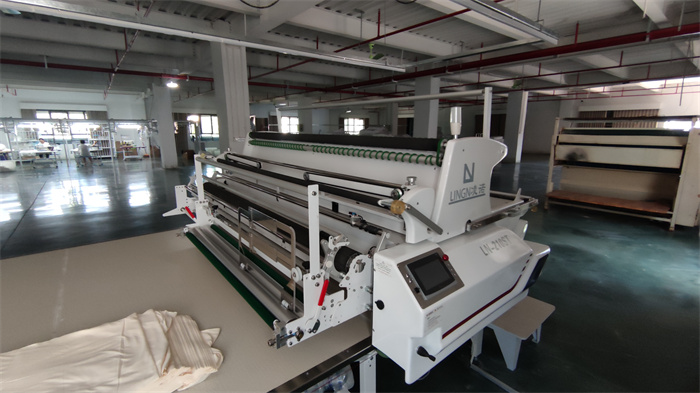
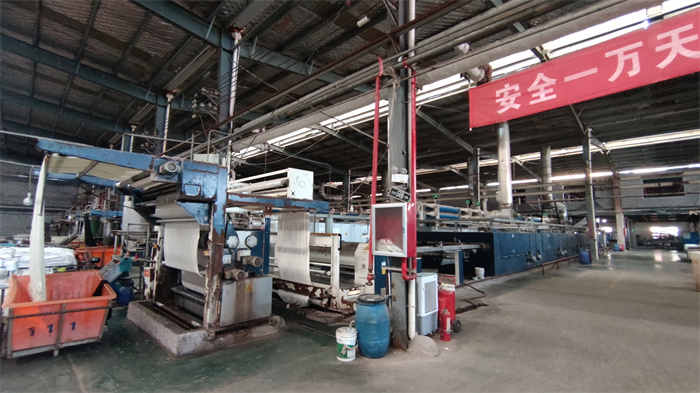
A reliable thermal base-layer factory requires uncompromising consistency. The following 13 manufacturing stages illustrate the precision workflow executed at our facility to convert premium raw yarn into finished, retail-ready garments:
As functional base layers shift from utility-only pieces to versatile activewear, we monitor global market trends to support our partners' growth. Thermals now play a crucial role across several major sectors:
Modern thermal base layers require stylistic versatility. Consumers want garments that transition smoothly from extreme winter outdoor tracking to daily metropolitan activities, requiring sleek profiles, clean lines, and premium fits.
Sustainable sourcing has become standard. Global brands seek recycled polyester fibers (rPET), biodegradable nylon structures, and sustainably harvested merino wools that match traditional synthetics in thermal performance and durability.
Integrating heating elements and phase-change materials (PCMs) within base-layer textiles represents the next frontier, providing dynamic thermal regulation in varying outdoor environments.
For enterprise procurement officers and global buyers, negotiating thermal apparel supply lines involves assessing structural capabilities beyond simple per-unit costs. An optimal sourcing framework relies on the following key metrics:
Evaluate fabrics using the CLO rating system, which measures the thermal insulation provided by clothing. High-efficiency thermal systems optimize the balance between warmth and fabric weight, keeping the garment lightweight and comfortable.
Base layers must offer reliable stretch and compression support. Utilizing multi-directional spandex matrices with flatlock stitching helps prevent seam irritation and ensures the garment holds its shape through heavy use and repeated wash cycles.
To protect brand reputation and ensure compliance, prioritize manufacturers holding international certifications such as BSCI, OEKO-TEX Standard 100, and WRAP. These standards verify ethical working practices and chemical safety throughout production.
Get answers to the most common questions regarding technical materials, production capabilities, and order processes in the OEM/ODM thermal base layer industry.
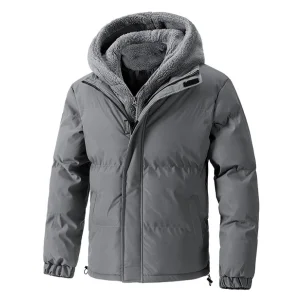
Our broader product range highlights our manufacturing versatility, including technical windbreakers, heavy-duty parkas, and performance sportswear built to withstand extreme elements.
 Eglin Fashion