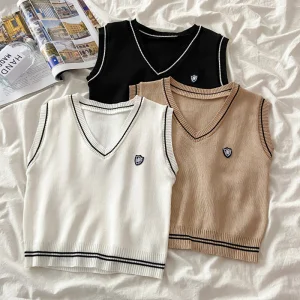
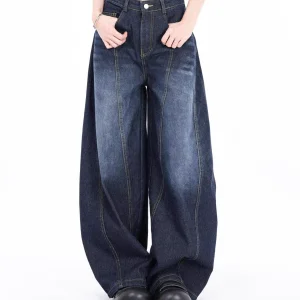
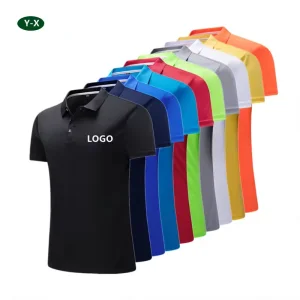
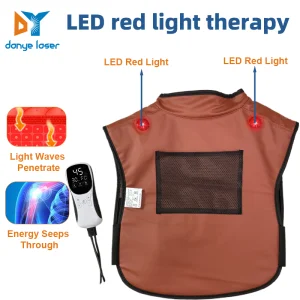
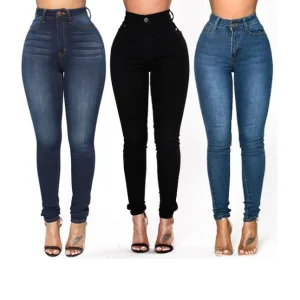
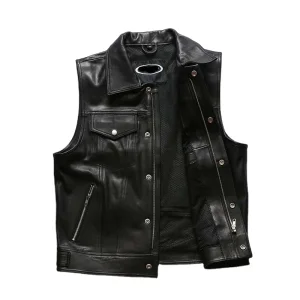
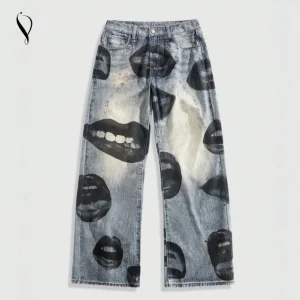
Precision execution across structural knitwear, tailored activewear, and dynamic style coordinates.
Bridging the gap between conceptual fashion systems and industrialized execution excellence.
Dongguan Eglin Fashion Co., Ltd. is not just a traditional apparel manufacturer—it is a modern garment development and production partner built on the integration of aesthetic understanding, technical execution, and rapid response capability.
In an era driven by trends, noise, and overexposure, we choose to return to essentials: silhouette, proportion, and material integrity. We believe meaningful garments do not rely on loud statements, but on precision, restraint, and consistent design logic.
At Eglin Fashion, our philosophy can be summarized as: reduce excess, refine structure, and strengthen execution. Instead of layering unnecessary references, we focus on clarity in construction, fabric selection, and finishing details—ensuring every product communicates a coherent visual and tactile language.
At Eglin Fashion, we are not driven by short-term hype or seasonal spikes. We are driven by consistency, clarity, and buildable identity.
We produce clothing—but more importantly, we help brands turn intention into structured reality, transforming complex textile designs into highly optimized consumer commodities.
Analyzing the macro shifts, material sustainability mandates, and technical demands governing the international skirt trade.
The global skirt market has transitioned from static seasonal releases to a highly dynamic, material-driven sector. Sourcing managers and directors are no longer simply looking for cheap sewing capacity; they seek integrated OEM/ODM factories capable of managing complex structural challenges. From tailored workplace skirts to high-performance pleated sportswear and intricate denim options, the technical configuration of these garments dictates retail performance.
Modern export parameters require deep insight into raw material supply stability. Key consumer jurisdictions, specifically the European Union and North America, have enforced strict environmental directives requiring transparency throughout the spinning, weaving, dyeing, and finishing stages. Additionally, the rapid emergence of activewear skirts (skorts) with built-in moisture-management liners requires manufacturers to manage distinct material dynamics (such as knit-to-woven seams) without causing fabric puckering or structural distortion.
Sourcing requires exact pattern blocks that balance shape retention with drape. We employ bias-cut calculations and structural inner waistbands to ensure line continuity over repeated wear cycles.
Utilizing high-elasticity interlocks paired with inner compression shorts. Requires flatlock seam structures to eliminate friction points while maintaining high stretch resilience.
Managing enzyme wash processes, local wear aesthetics, and ozone bleaching systems to meet aesthetic requirements while maintaining high tensile fabric strength.
Bridging creative intent with high-volume industrialization through optimized workflows.
We refine traditional pattern-making to achieve balanced proportions and consistent fit performance across diverse body profiles. We map out tension distribution to ensure the garment moves naturally without shifting out of alignment.
We select materials based on weight, drape, texture, and brand positioning. Our textile lab checks fiber composition, dimensional stability after washing, and pilling resistance to ensure high fabric quality.
Every stitch length, hem type, seam reinforcement, and trim placement is chosen to strengthen the product's structure. We avoid decorative features that don't add functional value, choosing clean lines instead.
We run a fast-track sampling process that converts sketches into production-ready physical patterns. This helps brands finalize layouts quickly, shortening development timelines without losing details.
Providing the technical and structural backbone for designers, retail brands, and fashion projects.
We analyze design sketches from a practical production standpoint. Our pattern designers identify complex drape regions, potential stress points at closures, and grainline adjustments to avoid distortions during manufacturing.
We review and adjust pattern blocks to match international size runs. We optimize seam placement to reduce waste, improve drape, and make sure patterns fit cleanly onto the markers.
We balance fabric yield, construction complexity, and component choices. This approach allows brands to maintain high styling standards while optimizing manufacturing costs.
"We do not simply produce garments. We build scalable production systems that allow fashion brands to grow consistently."
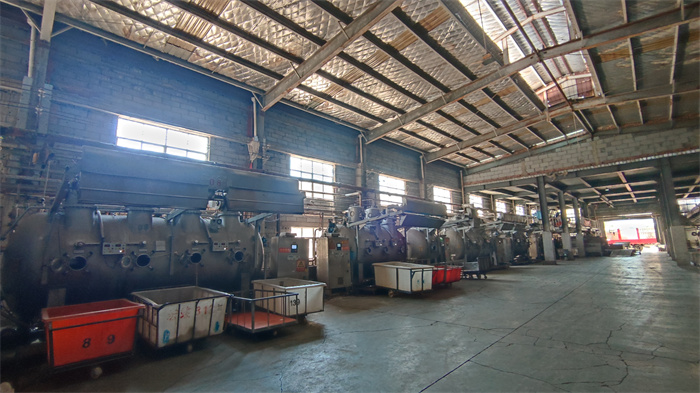
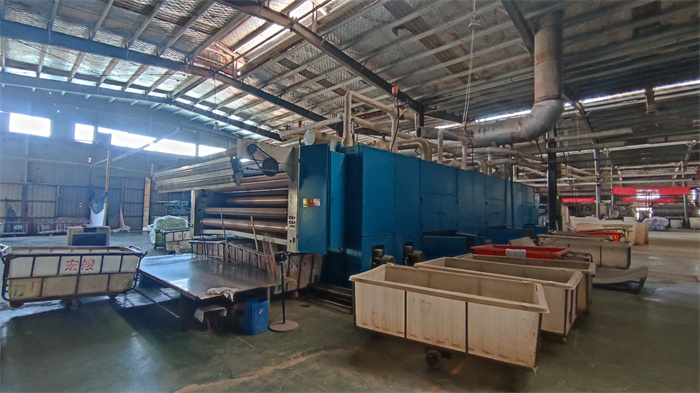
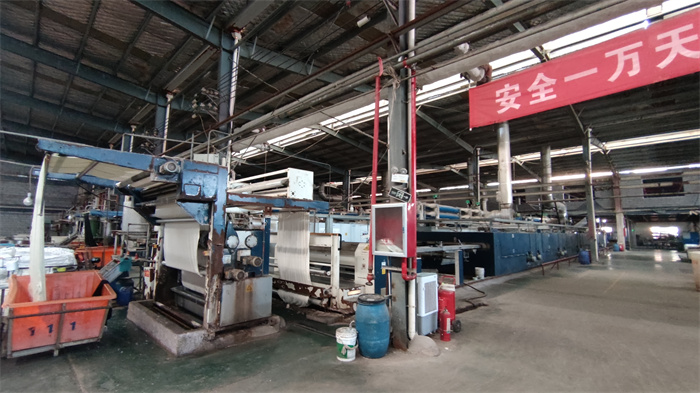
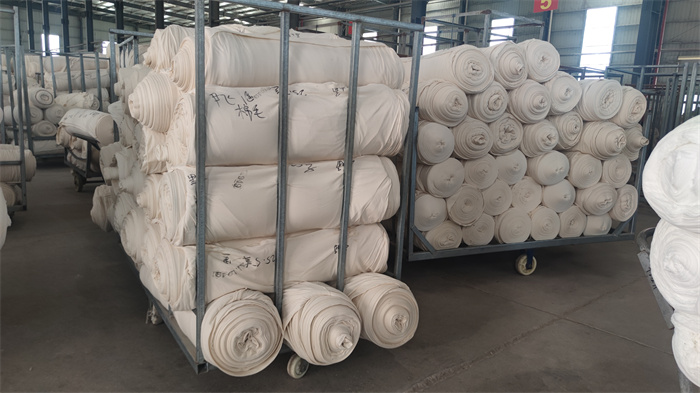
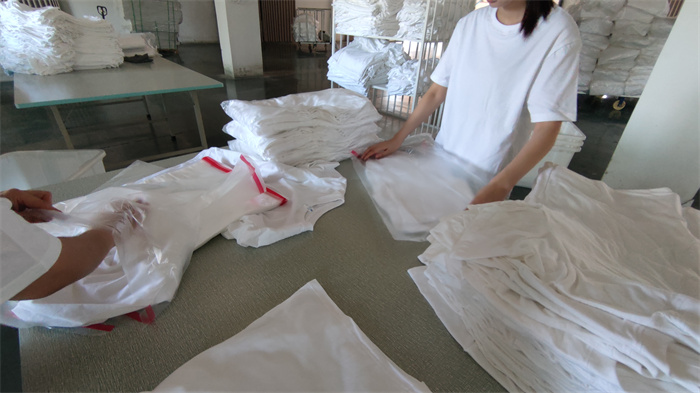
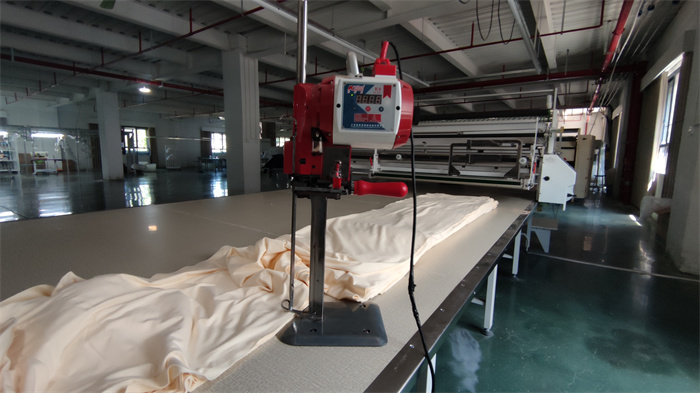
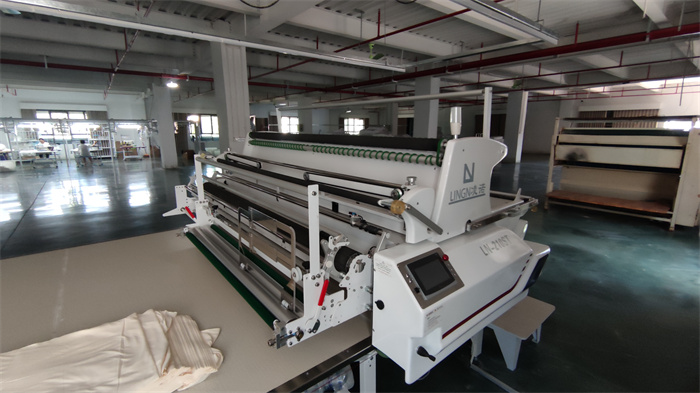
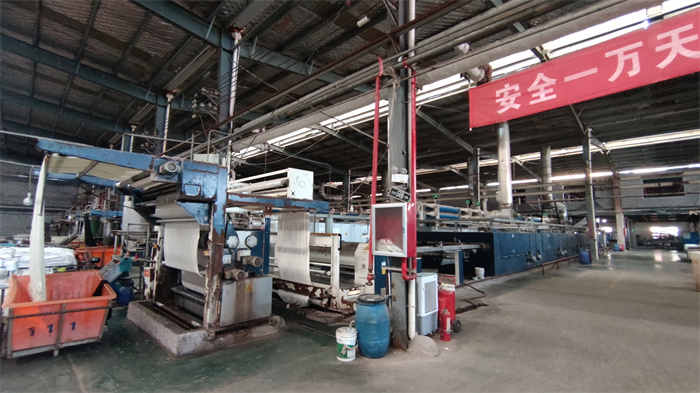
Inside our Dongguan manufacturing center: monitoring every step from yarn processing to final quality checks.
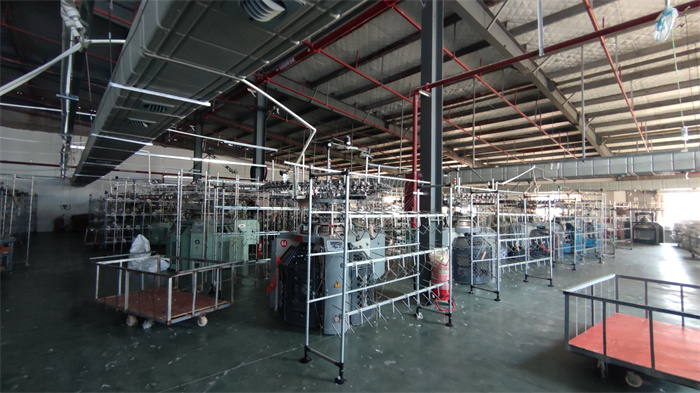
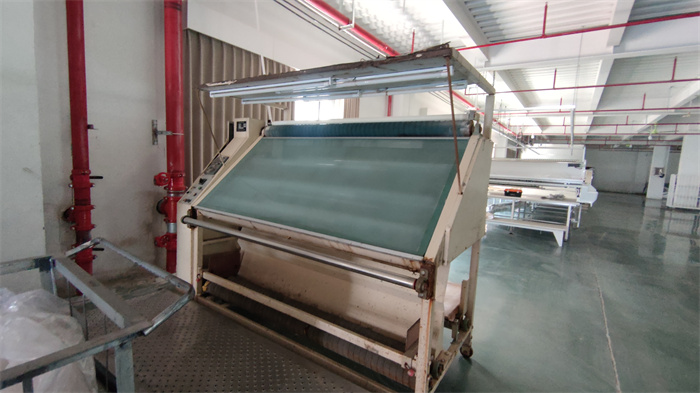
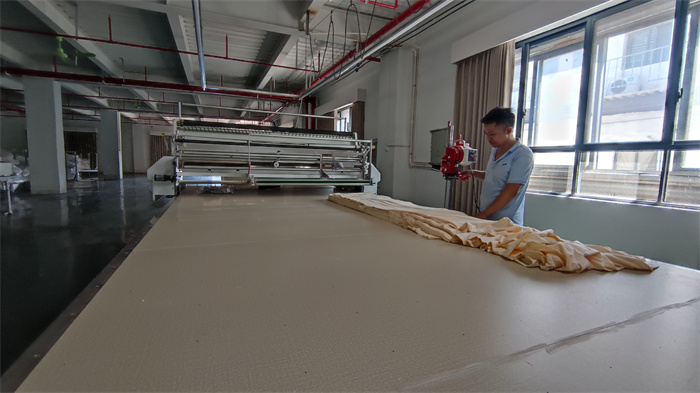
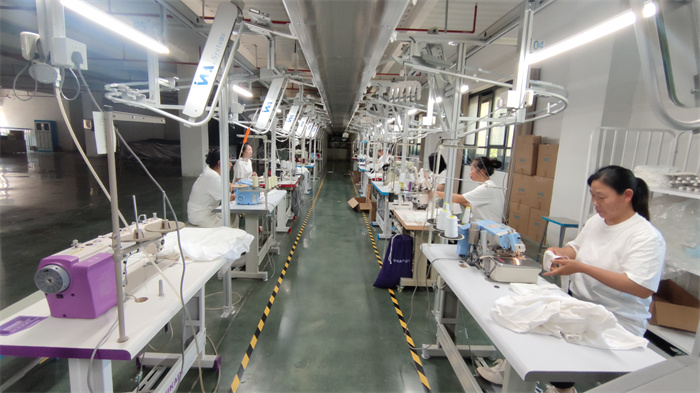
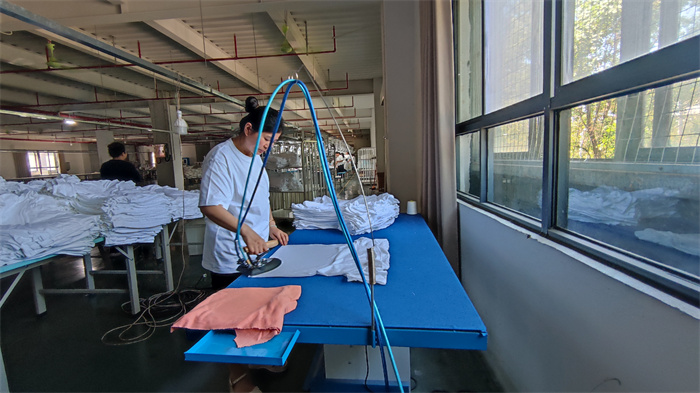
Addressing supply chain bottlenecks through flexible production structures and risk management.
We run a dual manufacturing model that supports both small-batch testing and large production runs. This framework allows brands to test new skirt styles in the market without carrying excessive inventory risk.
Our manufacturing processes focus on environmental and social compliance. We source verified fabrics, run clean dyeing procedures, and use waste-minimizing pattern markers to help brands meet global sustainability targets.
Using CAD pattern systems and virtual fitting tools, we check fabric behavior before physical cuts are made. This process reduces sampling rounds, saves raw material, and accelerates time-to-market.
Ensuring your imported skirt shipments align with regional quality standards and regional size guides.
Different markets require specific proportions. We adjust pattern blocks to match the body profiles of target regions, ensuring comfortable waist-to-hip transitions for European, North American, and Asian customer bases.
We verify that all fabrics and trims meet target market guidelines, including REACH and CPSIA rules. We test dyes and structural components to ensure they are free from heavy metals, formaldehyde, and restricted phthalates.
We carry out quality checks at multiple stages: during initial material prep, in the sewing line, and before final packing. Our final checks follow standard AQL quality thresholds to maintain consistent output across production runs.
Applying modern technology to improve efficiency, pattern accuracy, and consistency in skirt assembly.
Using CNC laser systems to cut fabrics cleanly along structural lines. This approach reduces edge fraying on lightweight fabrics and ensures pattern pieces match exact CAD files.
Utilizing controlled heat-setting systems to produce crisp, durable pleats. This process helps pleats retain their shape through repeated washing and wear cycles.
Using RFID tags to monitor batches in real-time. This helps us track progress across the factory floor, identify issues early, and keep delivery dates on schedule.
Key production and supply chain queries addressed by our manufacturing team.
Quality-controlled apparel and outdoor accessories manufactured to international standards.
 Eglin Fashion