Understanding the structural, raw material, and technological specifications in massive B2B stocking procurement.
The global hosiery and stocking market is undergoing a structural transformation. What once was viewed as a basic apparel accessory is now a highly specialized category requiring engineering precision, yarn innovation, and automated production pipelines. For enterprise importers, retail chains, and international medical distributors, partnering with a high-capacity, technology-focused custom OEM stocking factory is essential to maintaining profitability and product integrity.
Modern stocking manufacturing operates at the intersection of material science and mechanical precision. Leading mills must coordinate supply chains across various functional needs—ranging from everyday fashion sheer tights to medical-grade graduated compression stockings. The commercial buyer's criteria must span across knitting gauge, denier stability, elastomeric durability, and seam profiles.
As retail margins face pressure from shifting consumer patterns and rising logistic overhead, purchasing teams prioritize manufacturers that do not merely execute orders, but act as vertical co-developers. This is where modern partners like Dongguan Eglin Fashion Co., Ltd. excel, by integrating structure-focused engineering with transparent, high-output production capacity.
When vetting stocking exporters, procurement divisions benchmark factories on key technical competencies:
Overcoming quality degradation, structural flaws, and performance inconsistencies in volume manufacturing.
Traditional stockings are highly susceptible to sudden unraveling. Advanced mills resolve this by deploying locked-loop run-resist knit structures, utilizing ladder-proof multi-filament yarns that interlock when severed, localizing damage.
Inferior spandex cores suffer from rapid tension loss. Top manufacturers use high-grade double-covered spandex yarns, guaranteeing long-term recovery parameters even under multi-directional stress test conditions.
Traditional dyeing methods produce chemical-heavy wastewater. Compliant factories employ closed-loop water purification and eco-friendly reactive dyes that satisfy stringent EU REACH mandates without fading.
Looking ahead, the next generation of stockings incorporates active textile innovations. Product lines are transitioning from basic aesthetics to dynamic thermoregulating garments. Our R&D pipeline integrates antimicrobial finishes, moisture-wicking capillary channels, and shape-retentive recycled nylon matrices (such as ECONYL®) to address the needs of ESG-conscious global brands.
Moreover, modern packaging engineering is evolving. Plastic polybags are being replaced with FSC-certified cardboard sleeves and biodegradable plant starch films. When evaluating custom stockings factories, importers must assess whether a supplier possesses the machinery adaptation capability to transition seamlessly to alternative materials without elevating unit defect rates.
Measuring the structural superiority of specialized modern stocking mills.
Translating design direction into repeatable, high-yield production structures.
Originating from the structured manufacturing environment of Dongguan, Dongguan Eglin Fashion Co., Ltd. has established itself as more than a standard factory unit. We operate a highly synchronized development system that bridges complex design logic with scalable, high-volume production. In an industry overrun by temporary trends and volatile quality levels, we return to the basics: fit precision, fiber integrity, and structural control.
For custom stockings, tights, and close-fitting knit apparel, our process addresses the specific requirements of contemporary brands and specialized retailers. We operate under four core disciplines:
We refine pattern configurations and stretch ratios to ensure precise, anatomical fit consistency across diverse sizing scales, minimizing sagging and fit complaints.
We curate and inspect yarns based on tensile strength, tactile feedback, thermal characteristics, and denier consistency, matching materials to brand market placement.
We enforce exact controls over flat-lock stitching, gusset reinforcements, anti-roll waistband structures, and dye lot consistency to guarantee durability.
Our internal sampling pipelines convert concept briefs and tech packs into physical prototypes rapidly, accelerating time-to-market.
Our core philosophy is simple: reduce excess, refine structure, and strengthen execution. By removing unnecessary supply chain friction and focusing on physical and chemical performance, we help brands establish a reliable, repeatable standard for their customer base.
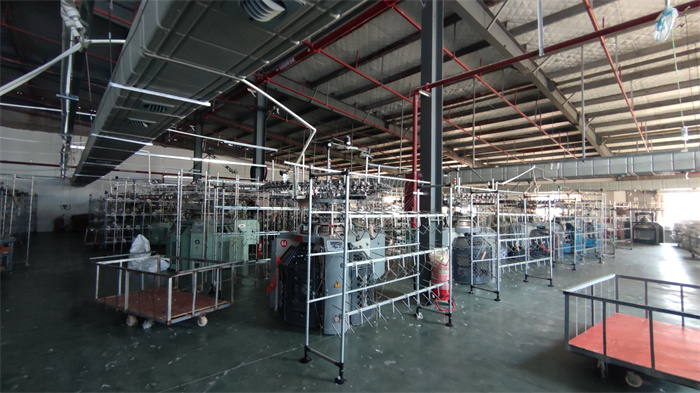
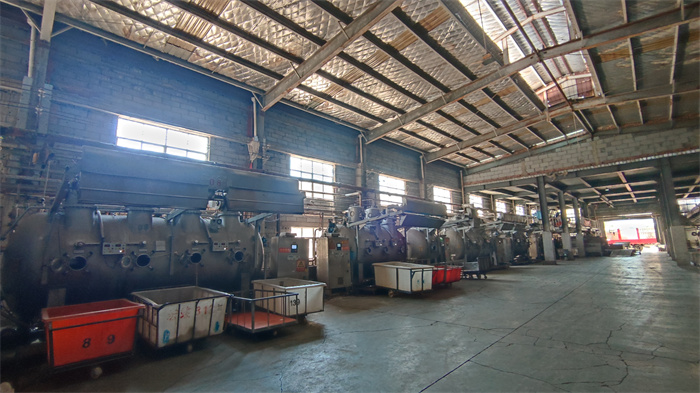
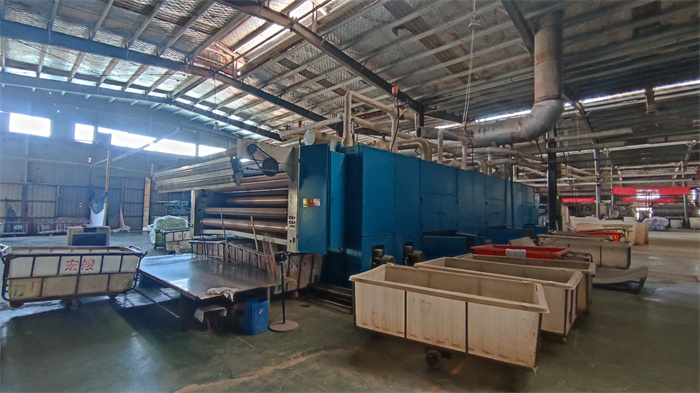
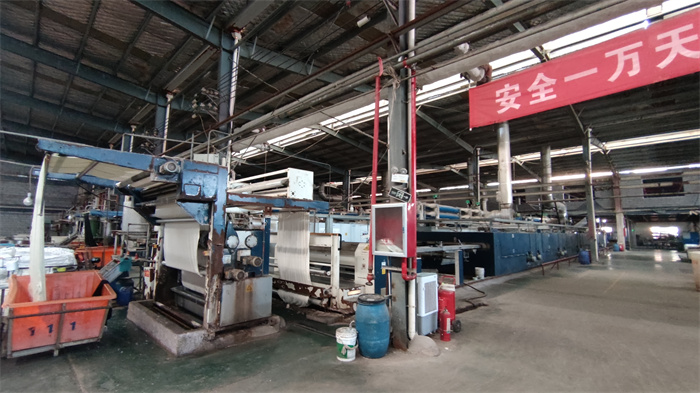
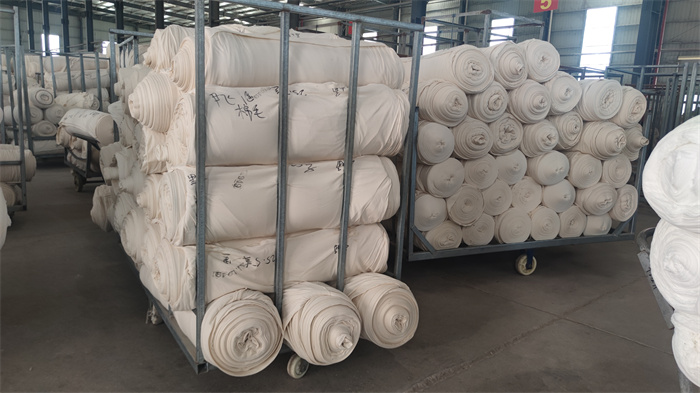
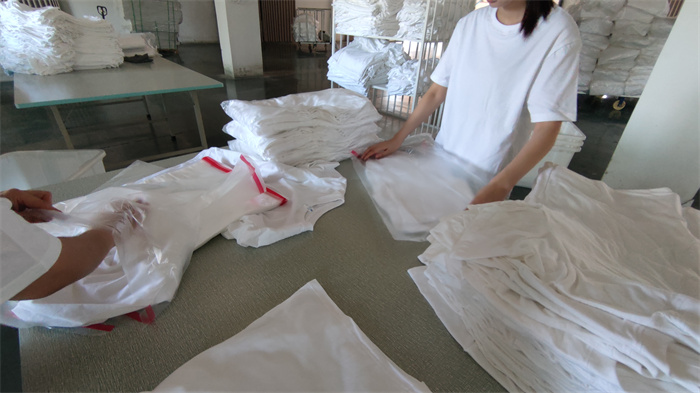
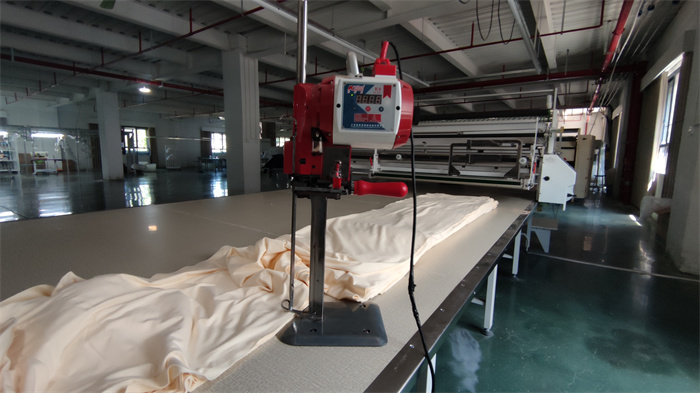
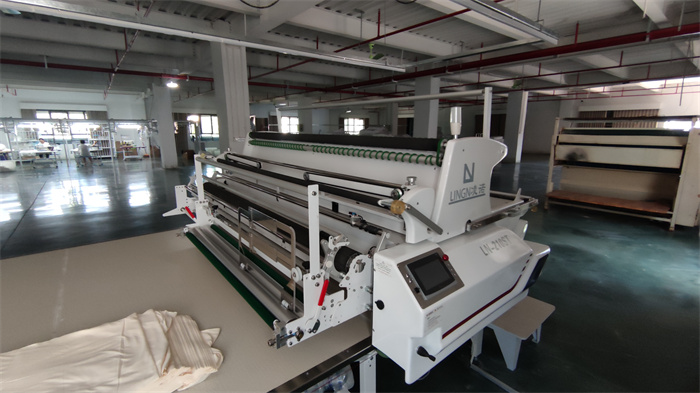
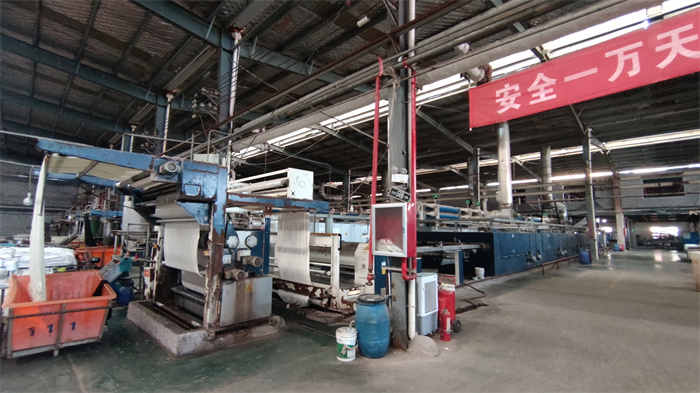
Inside the production line: tracing how raw yarn is transformed into packed, retail-ready products.
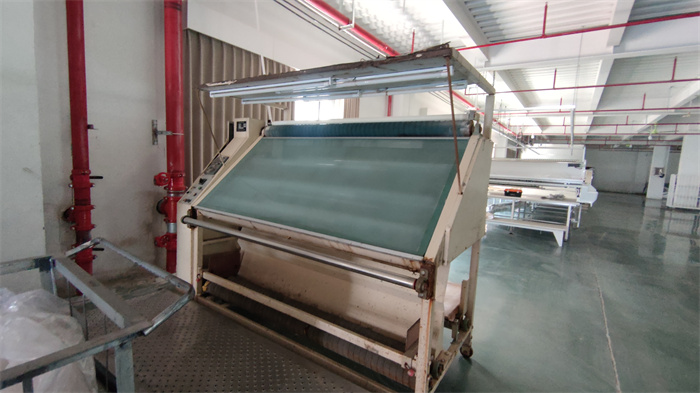
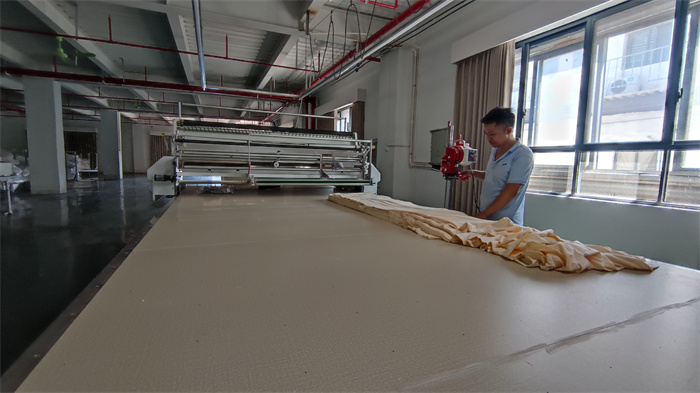
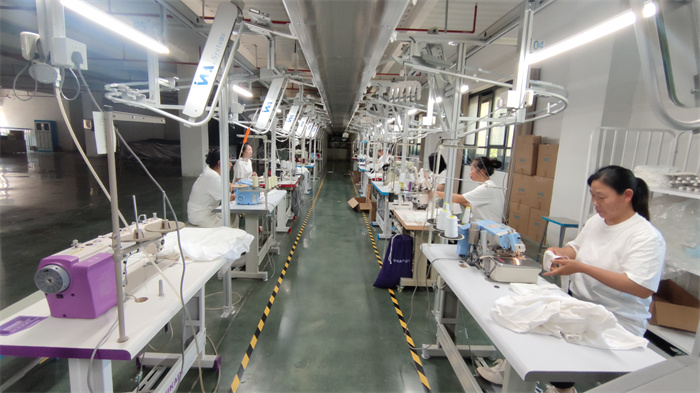
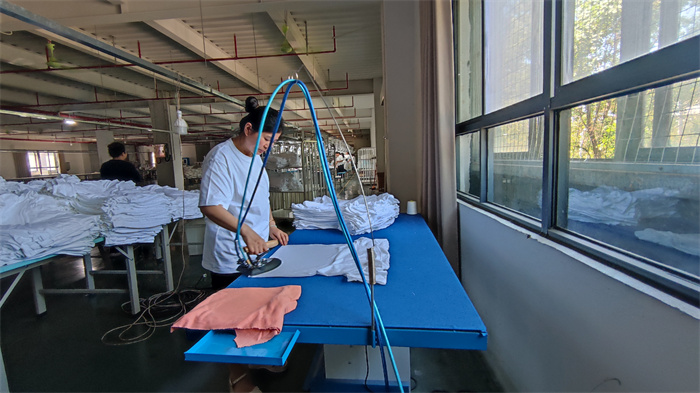
Navigating import regulations, chemical safety criteria, and regional logistics support.
Exporting textiles globally requires strict adherence to international legal guidelines. Stockings, being direct skin-contact items, are subject to extensive product safety verifications. In Europe, items must align with REACH regulations regarding AZO dyestuffs, heavy metals, and skin sensitizers. For the North American market, manufacturers must comply with FTC labeling mandates and CPSIA limits where applicable.
Furthermore, medical compression hosiery requires specialized classification. Exporters targeting the clinical segment must maintain registration with the FDA in the United States and bear the CE marking in the European Economic Area. This requires rigorous testing of graduated pressure metrics, recorded in millimeters of mercury (mmHg).
At Eglin, we simplify this complex process for our global partners. By offering comprehensive compliance documentation, certified test logs, and localized custom clearance support, we minimize risk and ensure smooth logistics from our factory floor to your distribution centers.
Technical details, order limits, custom development options, and shipping protocols.
 Eglin Fashion