Factory-direct technical activewear, tailored business garments, and casual collection foundations.
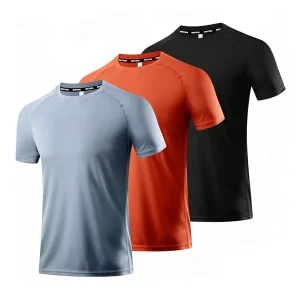
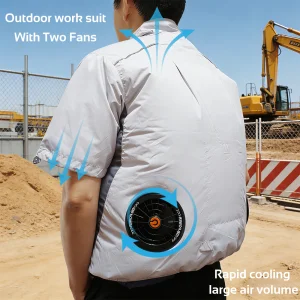
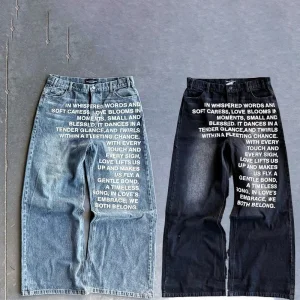
An authoritative analysis of supply chain architecture, material engineering, and factory-level optimization.
The global sleepwear market has transitioned from a seasonal, basic-commodity division to a highly technical, design-forward vertical. Today, brands sourcing sleepwear require more than just cutting and sewing; they need comprehensive product engineering systems. As a premier Custom OEM Pajamas Manufacturer and Supplier, Dongguan Eglin Fashion Co., Ltd. is positioned at the intersection of aesthetic sophistication and automated manufacturing logistics.
This white paper explores the critical pillars of sleepwear OEM/ODM production, analyzing factory workflows, China’s industrial cluster advantages, global sustainability movements, and operational frameworks that enable private labels, corporate organizations, and design houses to realize strategic scaling.
Dongguan Eglin Fashion Co., Ltd. is not just a traditional apparel manufacturer—it is a modern garment development and production partner built on the integration of aesthetic understanding, technical execution, and rapid response capability.
In an era driven by trends, noise, and overexposure, we return to essentials: silhouette, proportion, and material integrity. Meaningful garments do not rely on loud statements, but on precision, restraint, and consistent design logic.
Our philosophy is simple: reduce excess, refine structure, and strengthen execution. Instead of layering unnecessary elements, we focus on clear construction, fabric selection, and finishing details.
Operating as more than a production facility, Eglin functions as a development system bridging creative direction with scalable manufacturing. We understand the rhythm of contemporary brands and translate that into structured production logic:
Refining pattern-making to achieve balanced proportions and consistent fit performance across global sizing profiles.
Selecting materials based on weight, drape, texture, thermoregulation capacity, and premium brand positioning.
Using advanced stitching, structural paneling, specialized washing, and quality trims to reinforce identity and durability.
Accelerating the path from sketch to digital mock-up, physical sampling, and bulk production without losing design integrity.
Transparent display of our physical infrastructure and specialized textile manufacturing processes.
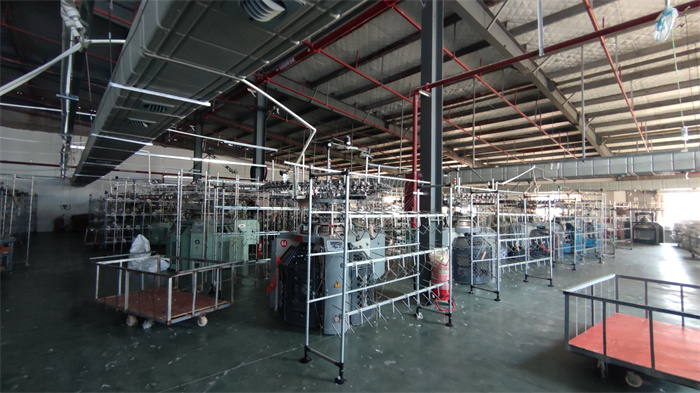
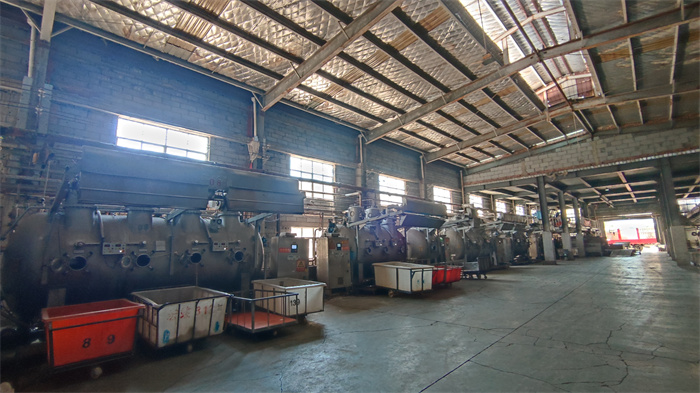
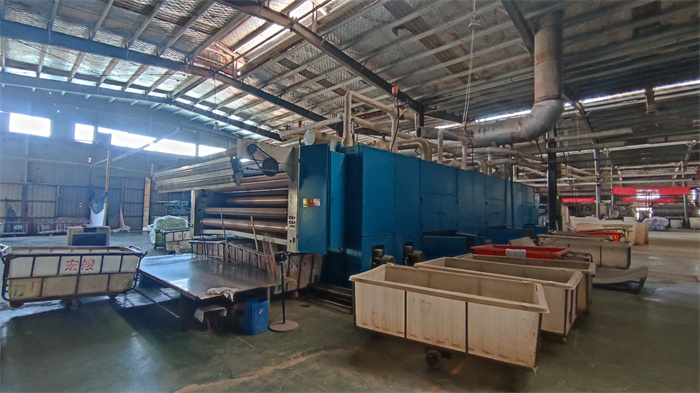
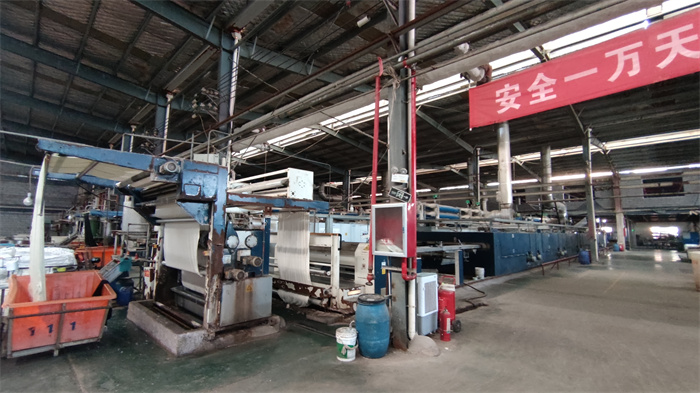
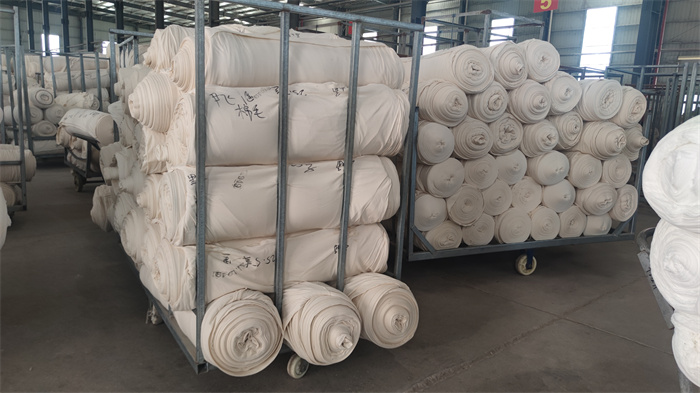
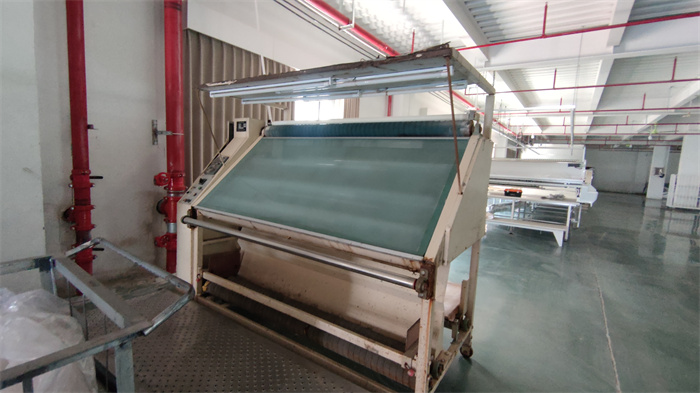
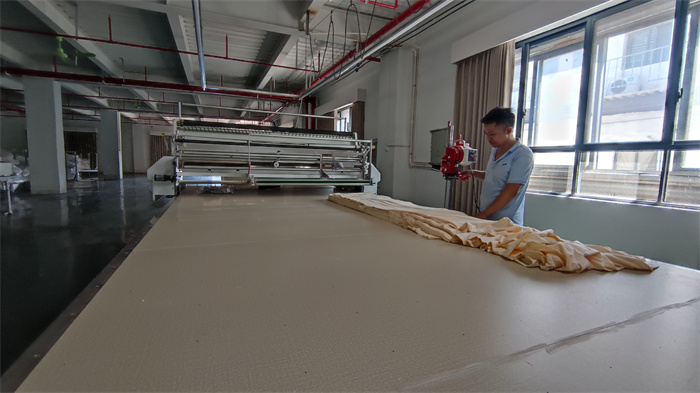
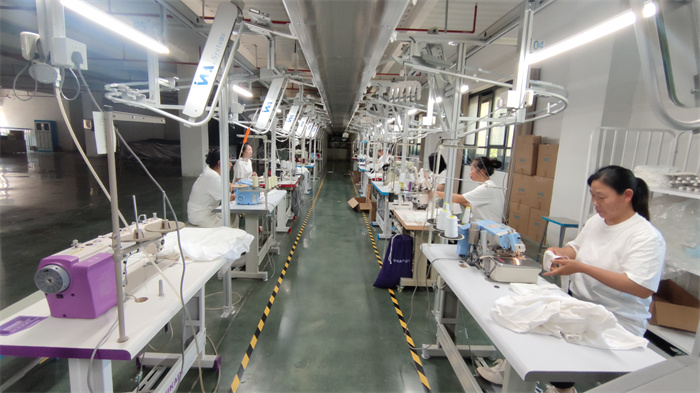
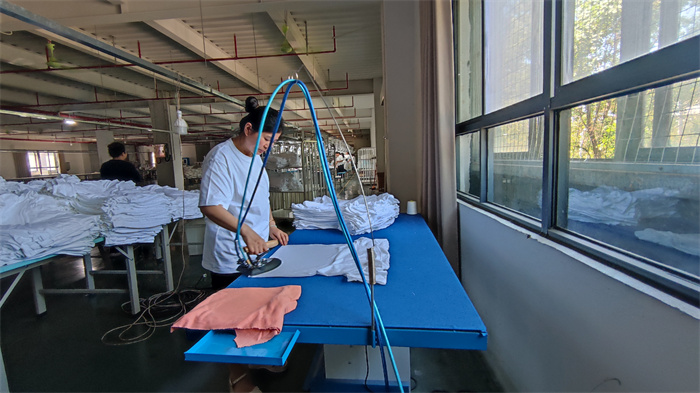
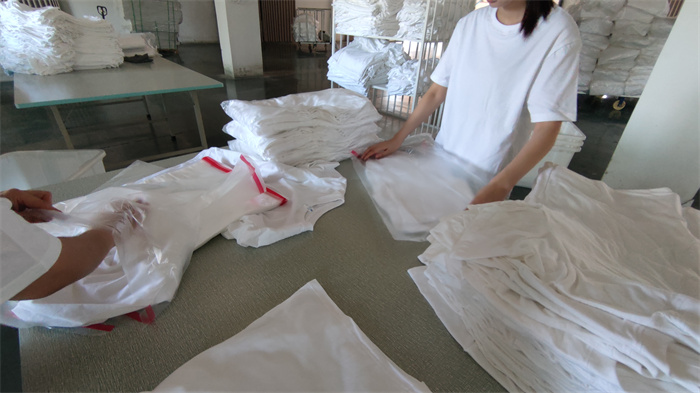
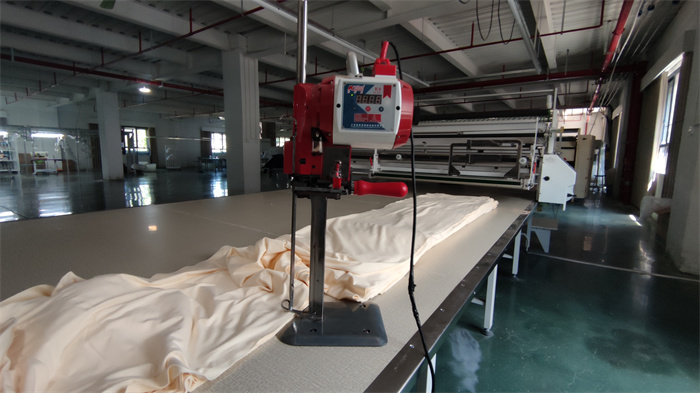
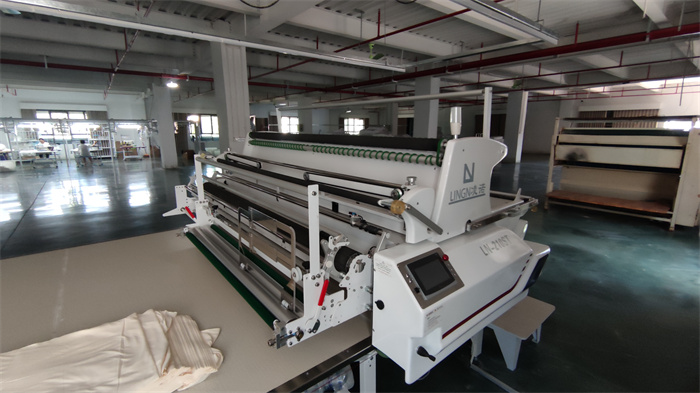
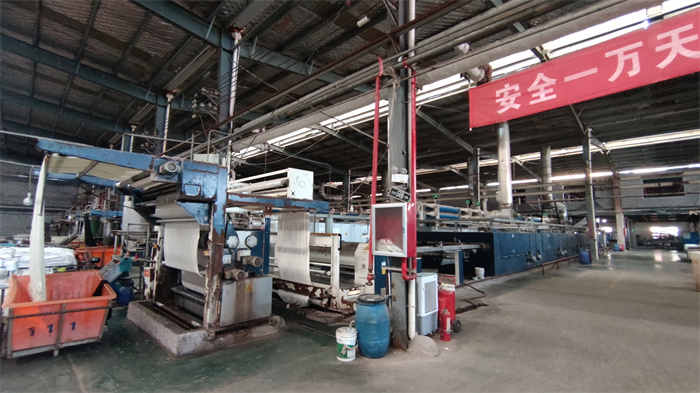
Why the Dongguan textile ecosystem provides unmatched scalability and cost optimization for global buyers.
Dongguan houses complete textile infrastructure from raw cotton and bamboo yarn spinning mills to specialized dye houses, embroidery studios, and logistic portals. This minimizes transport delay and allows raw material consolidation within a 50-mile radius.
Dongguan factories utilize advanced equipment, including CAD system patterns, laser fabric cutters, and computer-controlled sewing machines. Technology ensures precision across every batch, minimizing human error and seam weakness.
Decades of garment manufacturing have produced highly skilled technicians, pattern engineers, and quality assurance specialists. Their understanding of fabric characteristics—such as the slippage of silk or elastic recovery of modal—guarantees superior product stability.
Sourcing the correct fabric is essential for pajamas, where skin-contact comfort is the primary performance index. Our sourcing matrix includes:
Aligning production logistics with your brand’s retail business model.
DTC brands demand rapid market reaction, low initial MOQs to validate new designs, and fast replenishment cycles. We address these needs through:
Pajamas created for high-frequency industrial washing in premium resorts. Focus points include:
High-volume seasonal distributions requiring uniform colors, certified packaging, and standardized global shipping services. Features include:
Insights into evolving customer preferences and technological changes within the sleepwear industry.
Remote work patterns have changed consumer standards. Modern consumers expect pajamas to perform as daywear. This has increased demand for structural pajama silhouettes, featuring clean collars, deep pockets, and hidden waistbands that look presentable on camera while maintaining high levels of comfort.
Environmental regulations require brands to document their supply chain footprints. Eglin uses eco-certified suppliers and provides sustainable alternatives, including organic cotton, recycled polyester, and plant-based modal fibers. We minimize water pollution and raw material waste during cutting phases.
Fabric finishes that actively regulate temperature or incorporate skin-care ingredients (like aloe-infused yarns) are gaining traction in premium markets. We collaborate with chemical engineers to offer anti-bacterial, static-resistant, and moisture-wicking fabric options.
For designers, founders, independent labels, and digital creator fashion projects, we act as both a technical partner and an execution extension of their creative team. Our collaborative framework includes:
Evaluation of design drawings to optimize production steps and minimize stitching failures.
Adjusting proportions to improve fit and lower fabric waste during automated layouts.
Evaluating material compositions and labor costs to maintain target retail margins.
Transitioning from low-volume test runs to bulk seasonal production runs.
"We do not simply produce garments. We help translate design concepts into repeatable, scalable production systems."
Transparent answers addressing production lines, pricing, custom packaging, and supply chain logistics.
Our standard MOQ starts at 100 to 300 pieces per style/color, depending on fabric selections. We support emerging labels by offering lower trial runs on fabrics where we maintain active inventory pools.
Yes. Our silhouette engineering system takes standard design files, digital sketches, or physical reference samples and develops production-ready grading maps across all sizing distributions.
We employ a double-stage inspection protocol. A preliminary inline check occurs during sewing, followed by a final 100% manual inspection prior to ironing and packaging, testing for loose threads, alignment, and stitching density.
Yes, we partner with dye houses compliant with OEKO-TEX Standard 100. This guarantees all textiles are free from harmful heavy metals, formaldehyde, and toxic chemical residues.
Sampling processes typically take 3 to 7 working days. Once the sample is approved, bulk production is completed within 20 to 35 days, depending on order size and scheduling.
Yes. We offer fully integrated packaging solutions, including branded tissue wraps, recycled cardboard boxes, custom hangtags, and woven neck labels.
We prioritize IP security. All custom designs, graded sizing charts, and brand assets are protected under NDAs, ensuring exclusive assets are never shared with third parties.
Explore our wider manufacturing capabilities across outerwear, sportswear, and performance gear.


 Eglin Fashion