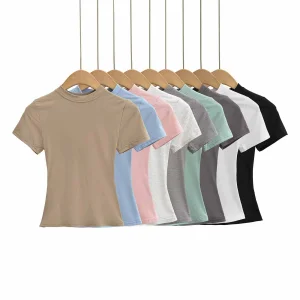
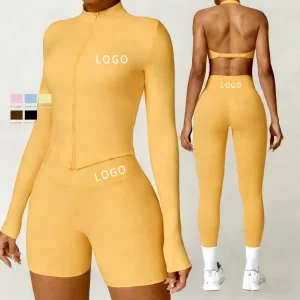
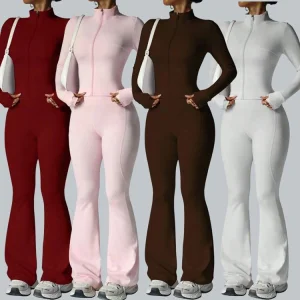
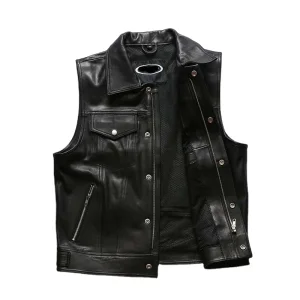
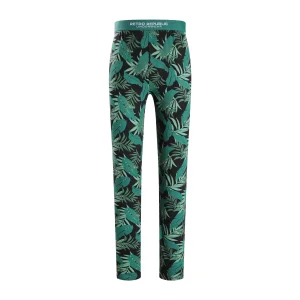
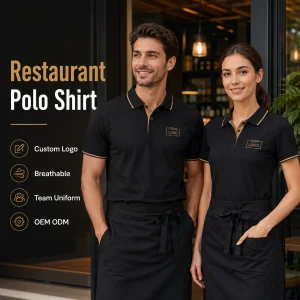
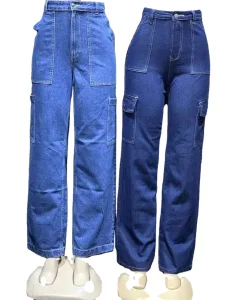
Explore our technical fabrication capabilities, serving elite streetwear labels, athletic collections, and high-performance commercial uniform applications.
The global market for custom insulated jackets and specialized cold-weather outerwear has evolved far beyond traditional aesthetics. Today, international retailers, performance outdoor brands, and high-intensity industrial sectors demand extreme performance, regulatory compliance, and fully verified sustainability credentials. In an era shaped by volatile weather patterns and complex global logistics, selecting the right original equipment manufacturer (OEM) is not just a matter of locating a factory—it is a critical supply chain alignment.
The global insulated jacket market size, valued at billions of USD, is driven by structural shifts toward multi-functional activewear. Modern buyers seek jackets that perform optimally across diverse climates, transition seamlessly between wild landscapes and concrete city centers, and provide functional heat retention without excess bulk. Additionally, consumer concern for ethical sourcing has established certifications like the Global Recycled Standard (GRS) and the Responsible Down Standard (RDS) as baseline requirements. As a result, factories must maintain active, traceable certifications across their entire raw material streams, integrating weaving, dyeing, lamination, and sewing processes under strict corporate auditing systems.
SEO Information Gain Insight: Unlike entry-level suppliers who focus solely on cost-per-unit, advanced OEM manufacturers assess "Systemic Thermal Efficiency"—evaluating Clo values, seam permeability, moisture vapor transfer rates (MVTR), and regional microclimates to engineer garments built for long-term product-market fit.
To manufacture elite custom insulated jackets, an OEM factory must balance raw insulation performance, outer fabric durability, and seam construction. Thermal insulation is measured in Clo (the amount of insulation required to keep a resting person warm in a room at 21°C). Our custom manufacturing processes optimize this metric by matching the precise insulation fill weight with our clients' target thermal environments:
| Insulation Type | Warmth-to-Weight (Clo/oz) | Moisture Resilience | Eco/Sustainability Status | Ideal Applications |
|---|---|---|---|---|
| Natural Down (800+ FP) | High (~1.2 - 1.4) | Low (Clumps when wet) | RDS Certified (Ethically Sourced) | Premium Alpine Outerwear, Lifestyle Parkas |
| Recycled Polyester (GRS) | Medium (~0.7 - 0.9) | Excellent (Retains 90% warmth) | 100% Post-Consumer PET Bottles | All-Weather Active Shells, Workwear Jackets |
| Bio-based Smart Insulation | Medium-High (~0.95) | Excellent (Fast drying) | Plant-derived Renewable Polymers | High-Performance Ski & Snowboard Outerwear |
| Aerogel-Composite Membrane | Ultra-High (~1.8) | Impervious | Synthetic matrix, long lifecycle | Specialized Industrial and Aerospace Outerwear |
The protective outer layer is equally critical. Premium custom jackets use high-denier (ranging from 20D ultra-light ripstop nylon to 500D Cordura reinforcement panels) face fabrics treated with C0 or C6 Durable Water Repellent (DWR) formulas. This is laminated to a hydrophobic or hydrophilic polyurethane (PU) or polytetrafluoroethylene (PTFE) membrane, achieving hydrostatic head ratings from 10,000mm up to 28,000mm to guarantee waterproofing in torrential conditions while maintaining breathability.
Dongguan Eglin Fashion Co., Ltd. is not just a traditional apparel manufacturer—it is a modern garment development and production partner built on the integration of aesthetic understanding, technical execution, and rapid response capability.
In an era driven by short-lived trends, noise, and overexposure, we choose to return to essentials: silhouette, proportion, and material integrity. We believe meaningful garments do not rely on loud statements, but on precision, restraint, and consistent design logic. At Eglin Fashion, our philosophy can be summarized as: reduce excess, refine structure, and strengthen execution. Instead of layering unnecessary design references, we focus on clarity in construction, fabric selection, and finishing details—ensuring every product communicates a coherent visual and tactile language.
We refine pattern-making and ergonomic mapping to achieve balanced proportions, comfortable arm articulation, and consistent fit performance across diverse global sizing matrices.
Selecting materials based on exact weight, drape, texture, wind-resistance coefficient, and brand positioning, matching target environmental challenges with fabric performance.
Utilizing high-frequency welding, ultrasonic seam sealing, specialized stitching, paneling, and custom hardware/trims to reinforce brand identity and long-term durability.
Accelerating the pathway from design sketches to 3D virtual prototypes and physical samples, ensuring swift market-testing cycles without sacrificing construction accuracy.
We operate as a development system that bridges creative direction with scalable manufacturing. Our manufacturing process consists of 13 key milestones to ensure high quality and consistency.
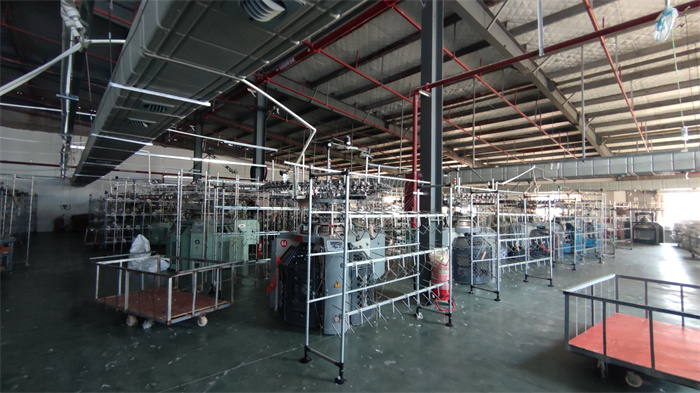
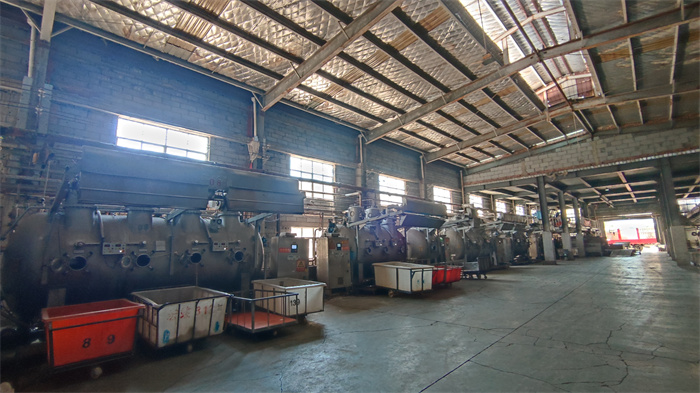
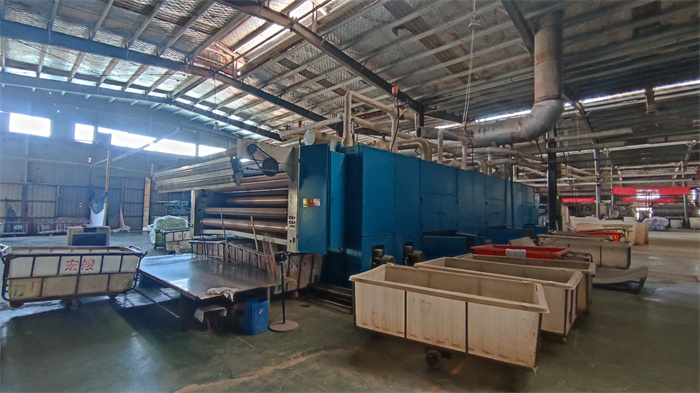
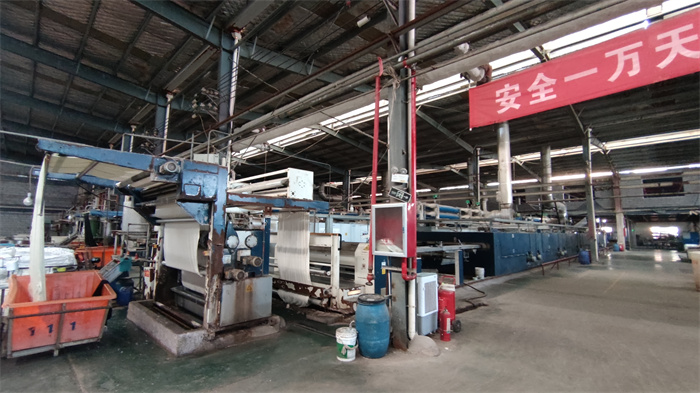
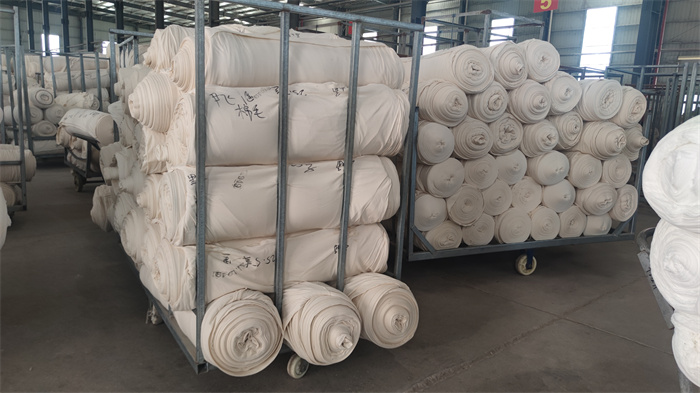
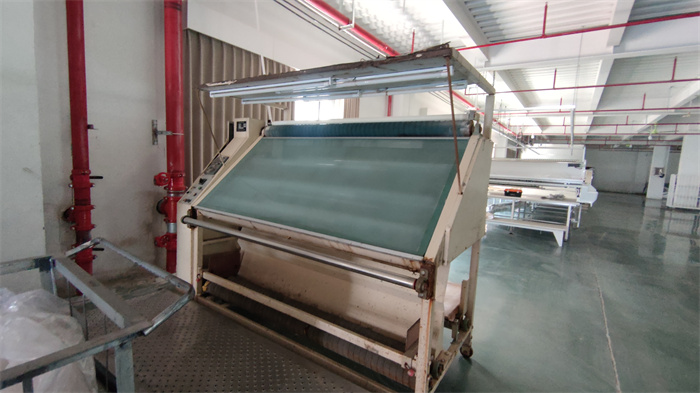
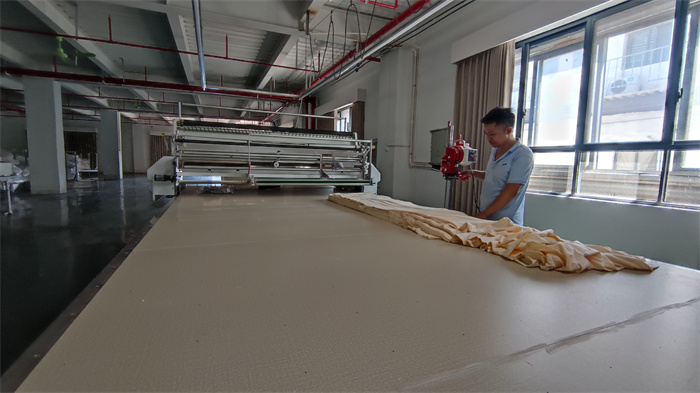
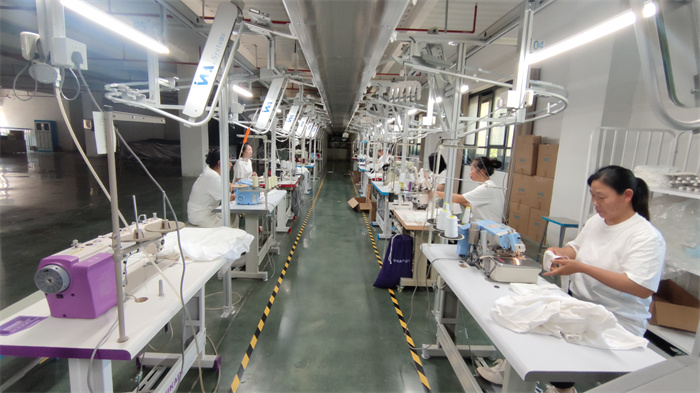
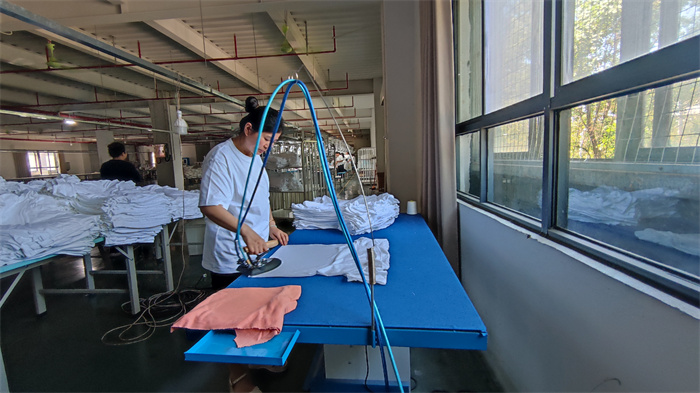
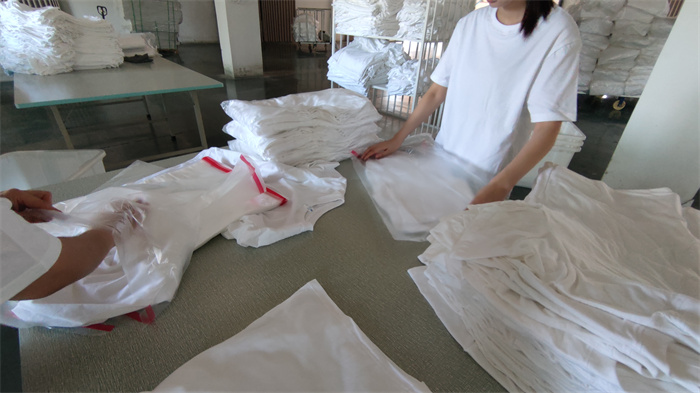
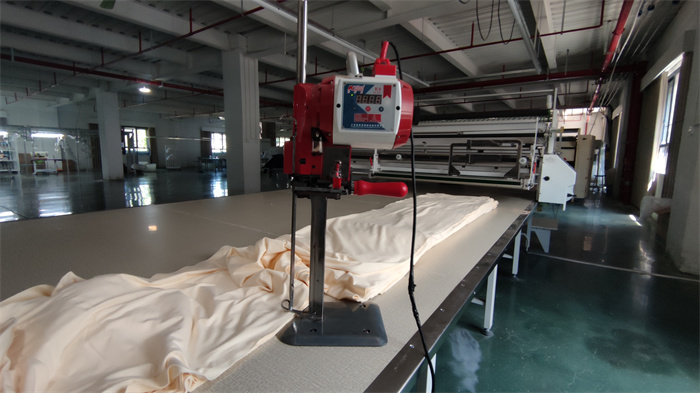
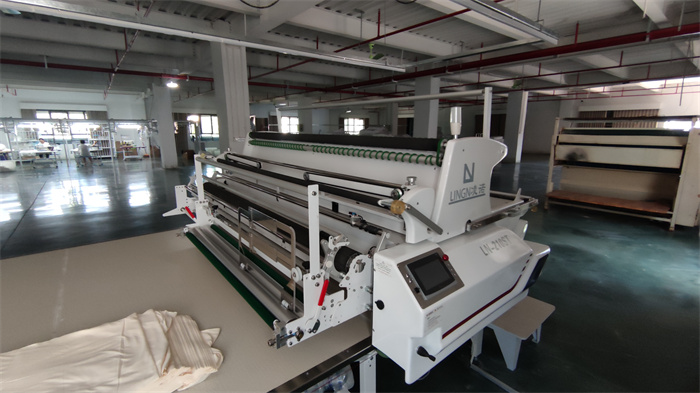
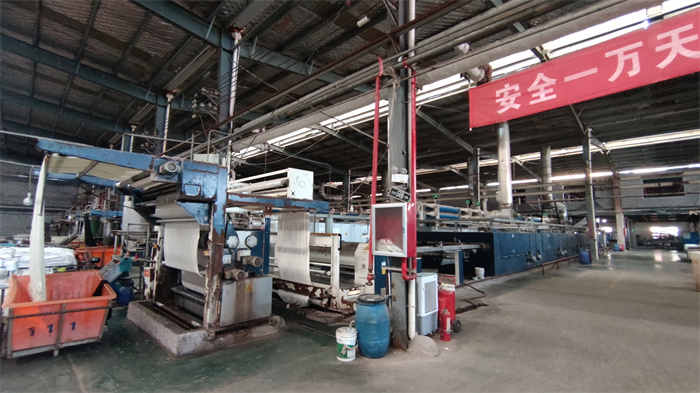
We work as a technical partner and an execution extension of our clients' creative teams. We support designers, founders, independent labels, and KOL-driven fashion brands. Our structured collaboration model translates concepts into scalable, repeatable production systems:
We review design sketches and digital assets from a production perspective, assessing seam placement, material compatibility, and construction constraints to avoid quality issues during bulk production.
We create precise physical and 3D digital patterns to optimize fabric usage, reduce waste, and ensure the garment drapes correctly under static and dynamic movement.
We analyze the bill of materials (BOM) to find efficiencies, balancing construction methods with cost considerations to maximize margins without compromising quality.
Our process is designed for scalability. We don't just assemble garments; we build repeatable systems that support long-term brand growth, helping brands turn creative intentions into structured reality.
Exporting outerwear globally requires strict adherence to international safety, environmental, and labor standards. Dongguan Eglin Fashion Co., Ltd. maintains compliance across key destination markets: Europe, North America, and the Asia-Pacific region. Our production lines are audited under major verification programs, ensuring smooth border clearances and brand alignment with strict sustainability criteria.
We also offer localized logistics support, including custom customs clearance documentation, DDP (Delivered Duty Paid) shipping options, and regional warehousing coordination. This simplifies the import process for both emerging brands and established global retailers.
The insulated jacket industry is evolving through advancements in material science and smart manufacturing. At Dongguan Eglin Fashion Co., Ltd., we are integrating several key technologies into our upcoming product development cycles:
We are testing ultra-thin silica aerogel composite barriers that deliver high thermal retention with minimal bulk, suitable for streamlined performance jackets.
We are developing jackets made from single-polymer structures (100% recycled nylon face, lining, and insulation) to enable easier recycling at the end of the garment's life.
We use 3D digital fit simulations to generate virtual samples, lowering physical prototype iterations, reducing textile waste, and shortening overall lead times.
Expert technical insights to assist purchasing managers, sourcing agents, and fashion founders during their evaluation process.
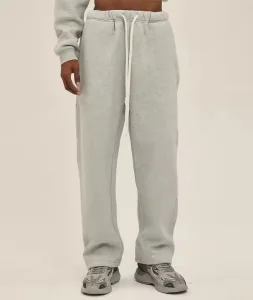
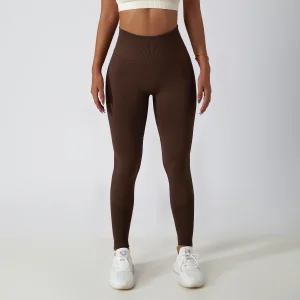
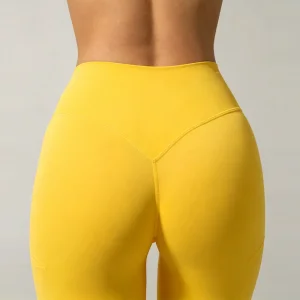
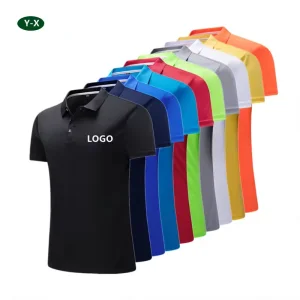
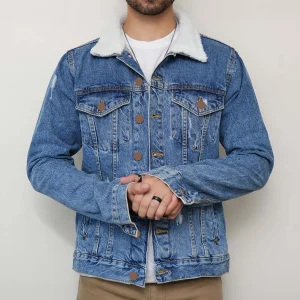
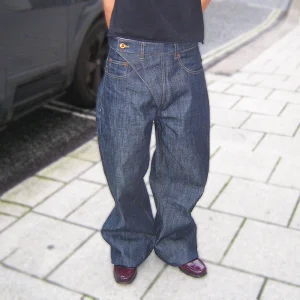
We also manufacture activewear, athleisure sets, and denim collections under our unified quality control standard.
 Eglin Fashion