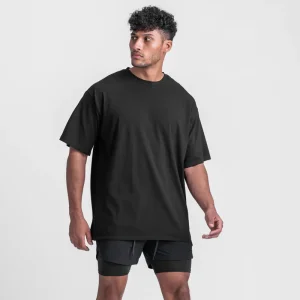
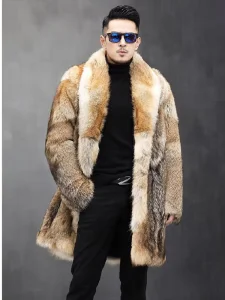
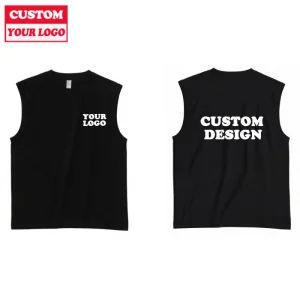
Explore our diverse manufacturing capabilities, high-performance materials, and custom-brand solutions.
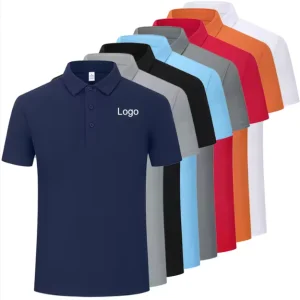
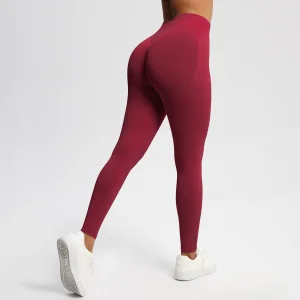
Chinos have transcended their utilitarian origins—originally engineered for mid-19th-century military operations in hot climates—to become the undisputed cornerstone of the modern global wardrobe. Traditionally characterized by their robust cotton twill construction, minimal detailing, and clean lines, today’s chinos serve as a versatile cross-category garment. They bridge the gap between traditional formal trousers and overly casual denim or activewear.
The contemporary commercial landscape shows a distinct acceleration in "hybridized wear." Key industry insights reveal that global consumer demographics now demand apparel that moves effortlessly from corporate settings to remote working spaces, and onto active travel environments. Consequently, the term "chinos" has evolved semantically to encompass an array of designs including tech-chinos, comfort-stretch pants, and refined sustainable trousers. To meet this massive consumer shift, leading apparel brands and wholesale distributors are seeking manufacturers that can deliver high-level fabric customization, structural precision, and rapid scalability.
For brands navigating the highly competitive retail environment, the primary challenge is no longer just sourcing the lowest per-unit cost. The modern purchasing directive emphasizes Information Gain—specifically, how a supplier’s design, engineering, and material intelligence can give a brand a definitive edge. A premium chino must survive hundreds of wash cycles without color degradation, maintain structural integrity along the seams under high tension, and offer breathability that synthetic fast-fashion alternatives cannot replicate.
International buyers—ranging from high-growth Direct-to-Consumer (DTC) startups to established enterprise workwear brands—possess diverse and demanding procurement intentions. At the wholesale level, sourcing managers prioritize the following criteria during supplier vetting and risk assessment:
Premium buyers specify combed cotton fibers blended with elastane or technical polymers (like Sorona) to achieve optimal elasticity without sagging. Precision weighting—varying from 7.5 oz to 11 oz—is critical depending on regional seasonal demands.
Advanced reactive dyeing processes are required to achieve a high grade (4.0+) on the grey scale, preventing premature washing fade. This is especially true for popular colorways like Deep Navy, Khaki, Olive, and Carbon Black.
Verification of ethical manufacturing is non-negotiable. Leading factories must comply with BSCI, WRAP, and supply chains using GOTS-certified organic cotton or OEKO-TEX Standard 100 chemical management protocols.
To successfully capture these buyers, a manufacturer must act as more than a silent assembly line; they must function as a co-development partner. By offering dynamic fabric solutions (e.g., water-resistant coatings, eco-friendly enzyme washes, wrinkle-free treatments) directly at the sourcing phase, the supplier saves the buyer months of trials and protects their supply chain from downstream quality failures.
The global textile and apparel industry has experienced significant disruption, showing that shifting production entirely to lowest-cost regions can introduce extreme risks. Factors such as extended lead times, raw material bottlenecks, and insufficient technical setups can disrupt product rollouts. China’s apparel sector has responded by transitioning from labor-heavy assembly to Smart Factory 4.0 systems, establishing a highly integrated and resilient supply chain ecosystem.
Located in the heart of China's premium garment manufacturing hub, Eglin Fashion exemplifies this transition. By coupling geographical advantages—proximity to specialized fabric weaving mills, dyeing plants, and logistics hubs—with advanced factory machinery, we minimize material transport times. Automated systems like the Cloth Laying Machine and the Electric Shearing Machine ensure that fabrics are laid and cut with millimeter-level precision. This technological integration reduces material waste, accelerates initial sampling speed, and guarantees that bulk production matches the approved prototype with absolute fidelity.
"Supply chain resilience in modern manufacturing is defined by two variables: velocity of development and repeatability of quality. If a factory cannot execute pattern modifications in real-time, the brand loses its competitive time-to-market advantage."
Furthermore, China's robust raw material market guarantees constant access to innovative fibers. Whether a brand requires traditional 100% cotton canvas, linen-cotton blends, or high-tech nylon-spandex water-repellent materials, the local supply chain can source and process these components in a fraction of the time required by factories in less-integrated regions.
Understanding user intent requires recognizing that a "chino" is not styled or worn the same way in every market. A savvy manufacturer must adapt pattern grading and material selection to fit regional consumer demands:
| Target Region | Predominant Style Fit | Fabric & Weight Preferences | Key Performance Features |
|---|---|---|---|
| North America | Athletic Fit / Straight Cut | Heavy twill (9 oz - 11 oz), Cotton-Spandex | Stain resistance, mechanical stretch, reinforced belt loops |
| Western Europe | Slim Tapered / Crop Cut | Medium weight (7.5 oz - 9 oz), Organic cotton blends | Garment-dyed vintage washes, subtle textures, sustainability certs |
| East Asia / Japan | Oversized / Wide-Leg / Pleated | Lightweight cotton-linen or heavy raw cotton canvas | High-rise drapes, clean minimal detailing, high breathability |
| Global Corporate | Classic Fit / Flat Front | Synthetic-rich blends (Polyester-Cotton-Viscose) | Wrinkle-free recovery, permanent crease retention, anti-pilling |
By leveraging this market intelligence, our design team can suggest optimizations before pattern cutting begins. For example, if a European client submits a design for a slim-fit chino, we might recommend a 3% elastane weave over a standard 1% weave to prevent fabric bagging at the knees. This level of collaborative advice represents true E-E-A-T value in modern apparel manufacturing.
Dongguan Eglin Fashion Co., Ltd. is not just a traditional apparel manufacturer—it is a modern garment development and production partner built on the integration of aesthetic understanding, technical execution, and rapid response capability.
In an era driven by trends, noise, and overexposure, we choose to return to essentials: silhouette, proportion, and material integrity. We believe meaningful garments do not rely on loud statements, but on precision, restraint, and consistent design logic.
At Eglin Fashion, our philosophy can be summarized as: reduce excess, refine structure, and strengthen execution. Instead of layering unnecessary references, we focus on clarity in construction, fabric selection, and finishing details—ensuring every product communicates a coherent visual and tactile language.
Dongguan Eglin Fashion Co., Ltd. operates as more than a production facility. We function as a development system that bridges creative direction with scalable manufacturing.
We understand the operational rhythm of contemporary streetwear and emerging brands, and translate that into structured production logic:
For designers, founders, independent labels, and KOL-driven fashion projects, we act as both a technical partner and an execution extension of their creative team.
Our collaboration typically includes:
We do not simply “produce garments.” We help translate ideas into systems that can be reliably repeated, improved, and scaled.
At Eglin Fashion, we are not driven by short-term hype or seasonal spikes. We are driven by consistency, clarity, and buildable identity. We produce clothing—but more importantly, we help brands turn intention into structured reality.
Every stage of production—from raw yarn to finalized, packed apparel—is strictly managed for quality control.
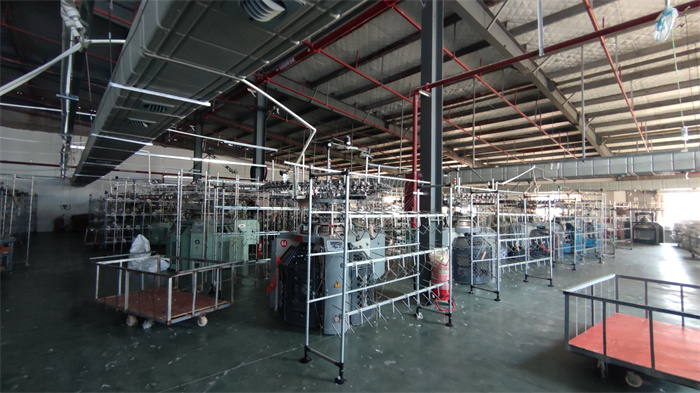
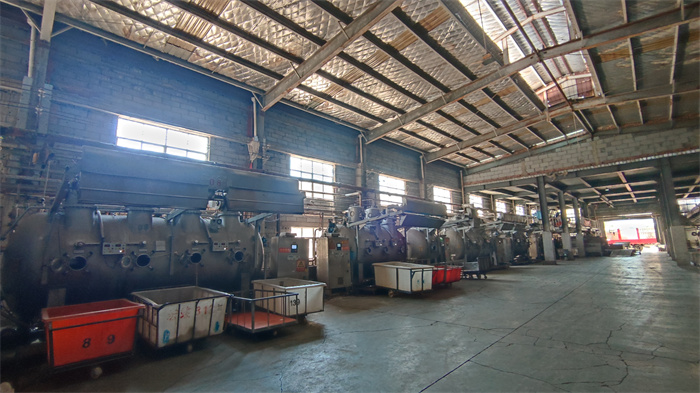
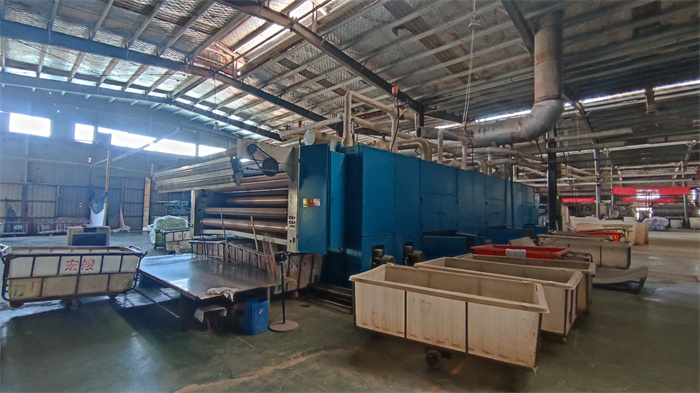
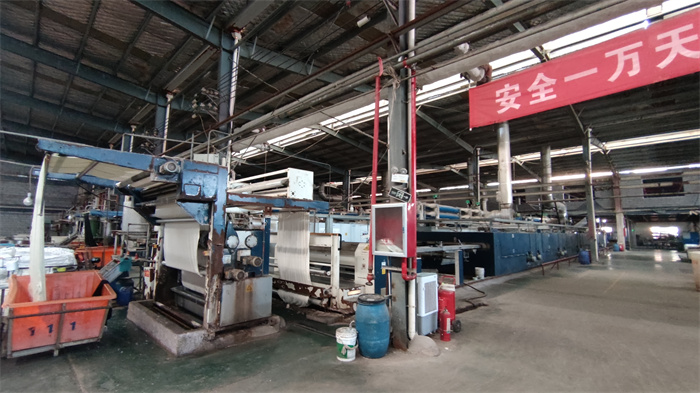
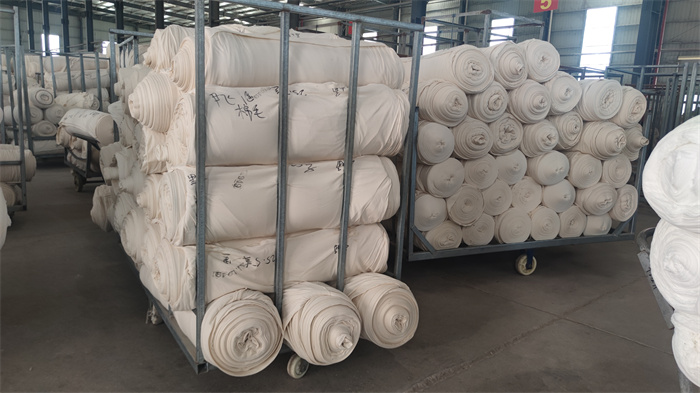
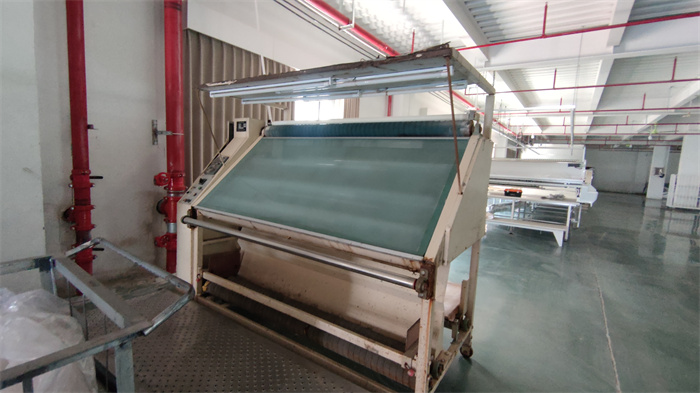
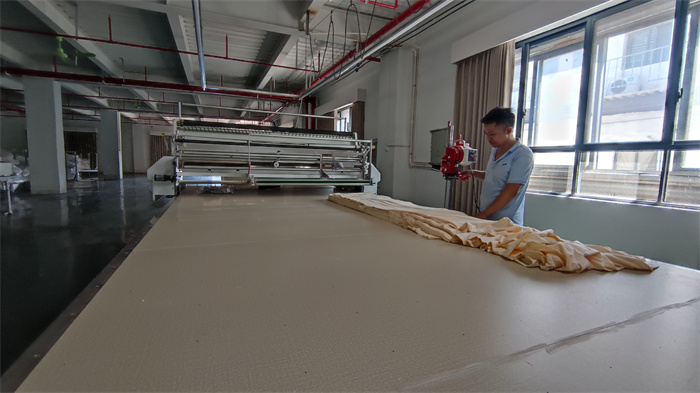
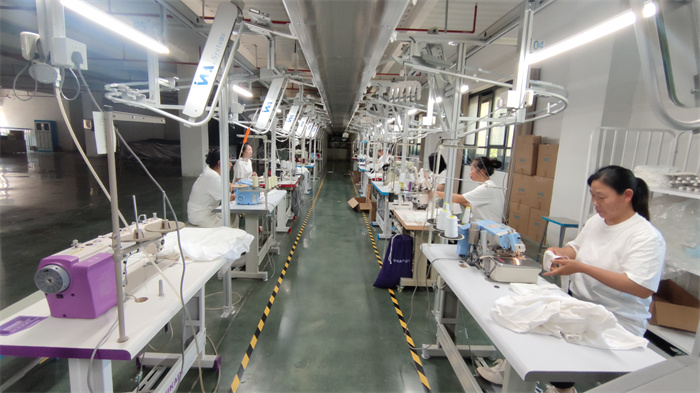
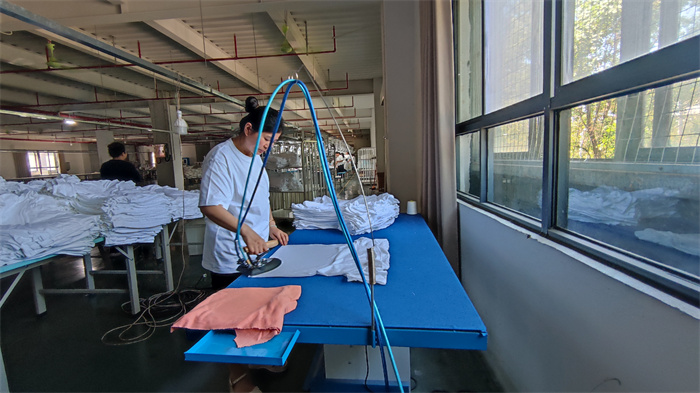
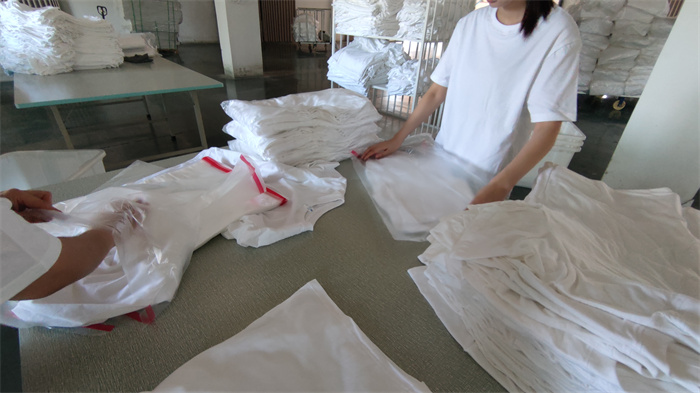
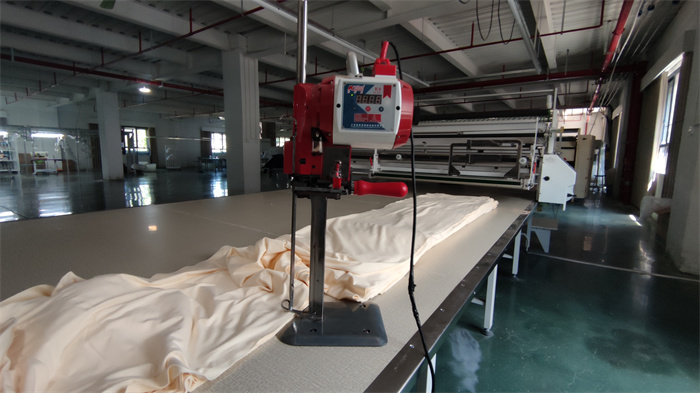
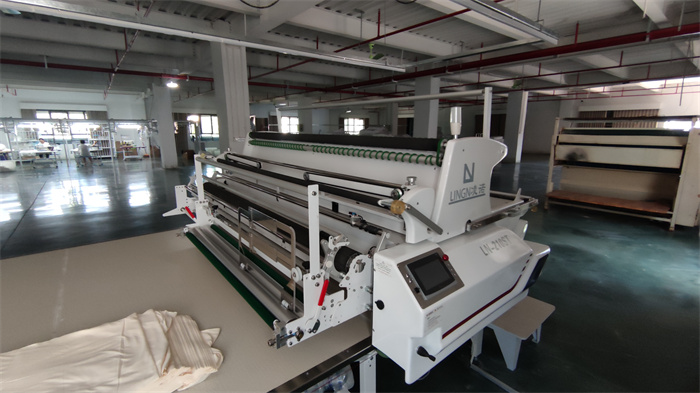
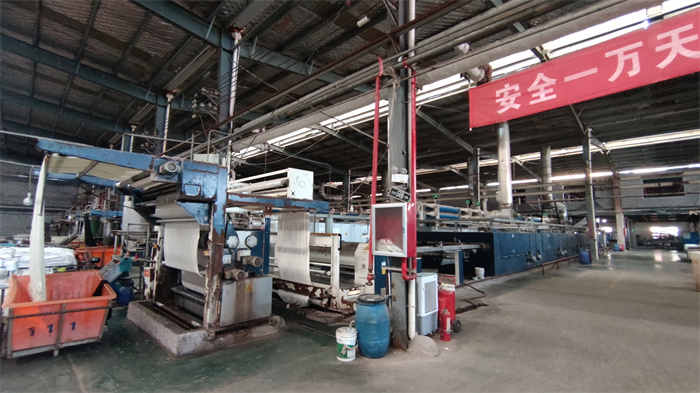
To ensure high standards of quality, Eglin Fashion employs a multi-tiered inspection protocol. Quality assurance is integrated directly into the workflow rather than treated as a final step:
This systematic approach minimizes defects, ensuring that bulk orders of chinos meet the specifications of the most detail-oriented retail brands globally.
Clear answers to help you navigate custom production, shipping, and fabric specifications.
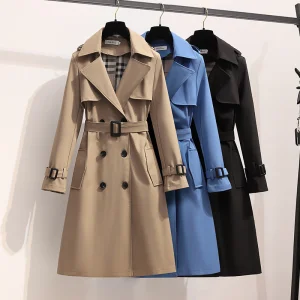
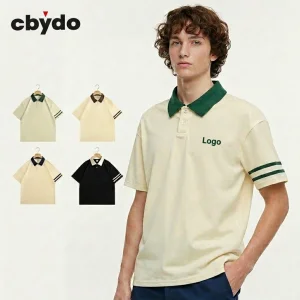
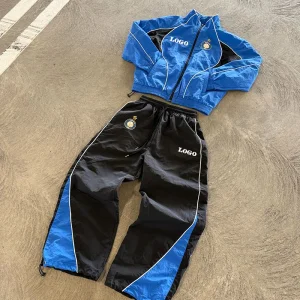
Beyond custom chinos, our production systems support high-performance outerwear, activewear, and knits.
 Eglin Fashion