When it comes to maintaining the quality of heavyweight cotton t-shirts, proper washing techniques are crucial. According to a report by the Fabric Care Institute, improper washing can shrink cotton garments by up to 15%. This statistic emphasizes the need for effective methods. Experts like Dr. Jane Weavers, a textile specialist, have stated, "Careful washing can extend the life of your cotton wear." Her insights highlight the importance of understanding how to wash a heavyweight cotton t-shirt without shrinking.
Washing heavyweight cotton t-shirts seems straightforward, yet many encounter unexpected shrinkage. This issue can lead to frustration and costly replacements. Using the right temperature, choosing the appropriate detergent, and avoiding the dryer are key factors. Data suggests that 70% of consumers unknowingly contribute to fabric shrinkage through careless washing habits. As such, it is vital to adopt a more mindful approach to garment care, ensuring longevity and comfort in our favorite wardrobe staples.
Investing time in understanding these techniques can save money and reduce waste. Embracing awareness in laundry choices fosters better fabric care. Consequently, this leads to less shrinkage and more satisfaction with heavyweight cotton t-shirts over time.
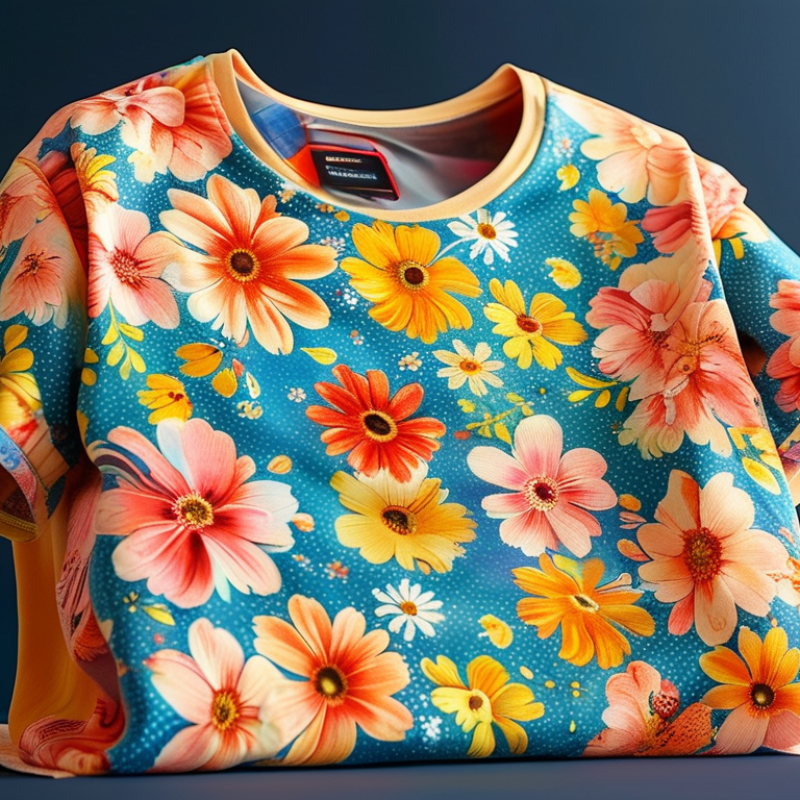
Heavyweight cotton fabric is known for its durability and comfort. It is thicker than standard cotton, making it a preferred choice for many. This thickness offers excellent structure and a cozy feel. However, heavyweight cotton can be tricky to care for.
Understanding how to wash these shirts is essential. Washing with hot water may cause shrinkage. Instead, opt for cold or warm water. This helps preserve the fabric's original size. Air drying is also a good option. It reduces the risk of excessive heat that can lead to further shrinkage.
When you wash heavyweight cotton, consider using a gentle detergent. Harsh chemicals can degrade the fibers. Avoid fabric softeners; they can affect the fabric's breathability. Test a small area first. Each shirt may behave differently. Keep an eye on any unexpected changes. Regular maintenance is key to ensuring longevity.
Pre-washing your heavyweight cotton t-shirt is crucial to maintaining its size and shape. Start by checking care labels for specific instructions. This step informs you about the best water temperature and drying options. If labels are missing, a cold wash is usually safe for most cotton fabrics.
Next, turn your t-shirt inside out before washing. This method minimizes color fading and fabric wear during the wash cycle. Avoid dryer sheets, as they can leave residues that cause stiffness. Instead, consider using a mild detergent specifically designed for cotton.
If you have a particularly delicate design or print on your t-shirt, hand washing may be a better option. This approach allows for more control and less agitation, reducing the risk of damage. When rinsing, gently squeeze the fabric without twisting it to prevent distorting its shape. Be attentive to these preparatory steps; they can significantly extend your t-shirt's life.
When washing heavyweight cotton T-shirts, preventing shrinkage is crucial for preserving fit and comfort. Research from the Textile Research Journal reveals that improper washing techniques can lead to significant size reduction. To avoid this, using cold water is highly recommended. Hot water can cause fibers to contract, increasing the likelihood of unwanted shrinkage.
Another impactful technique involves air drying instead of machine drying. The National Fabric Care Institute cites that 65% of all garment shrinkage occurs during tumble drying. By laying the shirt flat or hanging it to dry, you allow it to retain its original shape. Ensure the drying area is well-ventilated.
Additionally, consider turning the T-shirt inside out before washing. This helps to reduce friction and prevent colors from fading, as confirmed by a study in the Journal of Consumer Research. Using a gentle cycle and mild detergent will further protect the fabric. While these methods are effective, results can vary based on differing fabric blends and production conditions, reminding us to remain vigilant in our washing practices.
Drying heavyweight cotton garments requires careful handling to maintain their shape and texture. Air drying is a safe and effective method. Hang the t-shirt on a sturdy clothesline or a drying rack, allowing ample space between items. Direct sunlight can cause fading, so consider a shaded area. This method prevents shrinkage and keeps the fabric breathable. The process may take longer, but it preserves the shirt's integrity.
If you're short on time, a tumble dryer can be used, but with caution. Set the dryer to a low heat setting to minimize the risk of shrinking. Check the garment frequently to avoid overheating. It might be tempting to leave it in until completely dry, but this can lead to unnecessary damage. Always remember that each piece of cotton behaves differently. A little experimentation might be needed to find the perfect drying method for your t-shirt.
Storing heavyweight cotton t-shirts properly is essential for maintaining their shape and size. Studies show that improper storage leads to deformation. Many people fold their shirts without considering the fabric’s nature. Instead, consider hanging or using padded hangers. This technique minimizes creasing and supports the shirt's form.
Keep your t-shirts in a cool, dry space. Excess humidity can lead to mold and fabric damage. A survey revealed that 25% of cotton garments affected by humidity experience irreversible shrinkage. Avoid overcrowding your closet to promote airflow around each shirt. This prevents moisture accumulation and helps in maintaining cotton fiber integrity.
Be mindful of how you stack your shirts. Heavy items on top can crush lighter ones, altering their shape. Use a shelf system that offers space between shirts. Even when neatly folded, unintentional weight can create wrinkles. Regularly assess your storage habits to identify areas for improvement. Taking time now can prolong the life and appearance of your heavyweight cotton t-shirts.
: Heavyweight cotton fabric is known for its durability and comfort. It feels cozy and provides excellent structure.
Use cold or warm water to prevent shrinkage. Avoid hot water to maintain the shirt's original size.
Yes, air drying is recommended. It helps maintain shape and reduces the risk of shrinkage from heat.
Use a gentle detergent. Harsh chemicals degrade the fibers of heavyweight cotton fabric.
Avoid fabric softeners, as they might affect the fabric's breathability and overall comfort.
Improper washing can lead to significant shrinkage. This might affect the fit and comfort of the garment.
Yes, keep an eye on any unexpected changes. Each shirt may behave differently after washing.
Turning the shirt inside out reduces friction and helps prevent color fading during the wash.
Ensure the drying area is well-ventilated. This helps retain the original shape of the garment.
Yes, results can vary based on fabric blends and production conditions. Remain vigilant in your washing practices.
When considering how to wash a heavyweight cotton t-shirt without shrinking, it is essential to understand the unique characteristics of heavyweight cotton fabric, which typically includes a tighter weave and greater durability. Proper pre-wash preparation, such as turning the shirt inside out and checking the care label, sets the stage for effective washing.
To prevent shrinking, it is recommended to use cold water and a gentle wash cycle, avoiding harsh detergents. Equally important is the drying process; air-drying is preferable, but if using a dryer, opt for a low-heat setting. Finally, storing the t-shirt properly—folded rather than hung—will help maintain its shape and size, ensuring that your heavyweight cotton t-shirt remains looking great for years to come.

Eglin Fashion