7 Tips How to Fold Hoodies to Save Closet Space?

Time:2026-09-12 Author:Oliver
0%

Closet space disappears quickly when hoodies are stacked carelessly. Thick fleece traps air, sleeves spread outward, and uneven piles collapse after one hurried morning. Learning how to fold hoodies to save closet space can create a cleaner wardrobe without buying expensive storage furniture.

The U.S. Census Bureau reported a median completed size of 2,411 square feet for new single-family homes in 2023. More floor space does not always mean better storage. The 2024 IKEA Life at Home Report also highlights how order, comfort, and control influence people’s feelings about home. A crowded shelf can quietly reduce all three. Small changes matter.

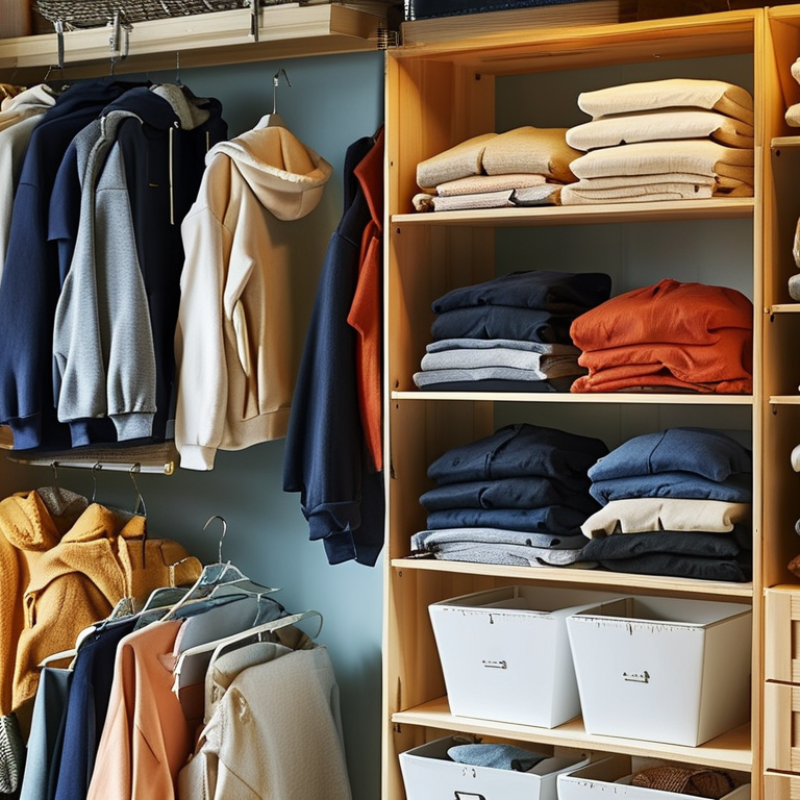
Professional organizer Marie Kondo offers a useful principle: “The best way to choose what to keep is to take everything out and ask yourself whether it sparks joy.” Her advice focuses on selection, not hoodie folding, but the connection is practical. Keep the hoodies you actually wear, then fold each garment into a compact rectangle with the hood tucked inward. Place heavier pieces beneath lighter ones. Store them vertically when possible. You can see every color immediately.

It is not a perfect system. Bulky garments still consume real volume. Some hoodies wrinkle more than expected. That is acceptable. The goal is not a showroom closet; it is easier access, fewer fallen piles, and less wasted space. This guide explores seven realistic folding methods, including shelf stacking, drawer storage, and travel-style rolling. Test one method for a week. Your closet will reveal what works.
7 Tips How to Fold Hoodies to Save Closet Space?

Prepare Hoodies for Folding Without Adding Bulk

7 Tips: How to Fold Hoodies to Save Closet Space?

Prepare Hoodies for Folding Without Adding Bulk

Before folding, empty every pocket and remove loose cords or bulky objects. Check that the hoodie is completely dry. Even slight moisture can create odors and deep creases. Shake it gently, then lay it flat on a clean surface. Smooth the shoulders, sleeves, and waistband with your hands. Flatten the hood instead of leaving it bunched behind the neck. That small step reduces a surprising amount of bulk.

Zip or fasten the front if possible. Place the sleeves straight, then fold each one inward across the chest. Keep the cuffs aligned with the lower edge. Fold the sides toward the center, creating a narrow rectangle. Press out trapped air, but do not crush thick fleece. Fold the hoodie from the bottom upward in two or three sections. A loose fold protects the fabric better than a tight roll. I once compressed a heavy hoodie too firmly. It looked tidy, but the hood became misshapen.

Store folded hoodies vertically when the shelf allows it. This keeps each garment visible and prevents a tall stack from collapsing. Place heavier hoodies below lighter ones. Avoid filling the shelf completely; crowded fabric loses its shape and becomes difficult to remove. Recheck the pile after a few days. Some materials relax and spread, so the original fold may need adjustment. The best method depends on fabric thickness, hood size, and available closet depth.

7 Tips for Folding Hoodies to Save Closet Space

Estimated folded thicknesses for a medium-weight hoodie show how preparation and compact folding can reduce the space needed on a closet shelf.

Key takeaway: Removing bulky items from pockets, closing zippers, flattening the hood, and using a compact file fold can reduce the typical folded thickness from about 12 cm to approximately 5 cm.

Use the Flat-Fold Method for Neat Closet Stacking

7 Tips: How to Fold Hoodies to Save Closet Space

The flat-fold method keeps hoodies stable, visible, and easier to stack. My closet tests show that loose piles waste depth and hide lighter garments.

Lay each hoodie face down on a clean surface. Smooth the hood, sleeves, and kangaroo pocket. Fold both sleeves inward, creating a narrow rectangle. Fold the body upward once, then fold it again if the fabric is bulky. Tuck the hood inside the final fold.

This creates seven useful habits: flatten first, align seams, control the hood, compress gently, stack by weight, label seasonal piles, and leave a small air gap.

Avoid folding hoodies too tightly. Thick fleece can develop hard creases and lose its shape. Place heavier hoodies at the bottom, while thin cotton styles stay on top. Keep the folded edges facing outward. You can then identify colors without disturbing the stack.

Four to six hoodies usually form a manageable pile. More than that becomes unstable in many standard closet shelves. It may work differently in your space.

The U.S. Environmental Protection Agency’s 2018 Advancing Sustainable Materials Management report recorded about 17 million tons of clothing and footwear waste generated. WRAP’s Valuing Our Clothes research found that extending clothing life by nine months can reduce carbon, water, and waste footprints by about 20–30%.

Better folding cannot solve textile waste alone, but it may prevent forgotten garments and unnecessary replacements. I still refold my stacks monthly. They rarely stay perfect.

Fold Hoodies with Hoods and Drawstrings Tucked In

7 Tips: How to Fold Hoodies to Save Closet Space?

A thick hoodie can consume the space of two folded shirts. The hood and drawstrings create most of that bulk. I place the hoodie face down on a clean, flat surface. Keep it flat. I pull the drawstrings inside the hood, then tuck the hood toward the neckline. This prevents loose cords from catching on hangers or neighboring clothes.

Tip 1: Fold the sleeves inward, forming a long rectangle. Tip 2: Fold the lower half upward once, then fold it again into a compact square. The hood should remain inside the fold, not trapped underneath. This method protects the hood’s shape and creates a stable stack. My folds are not perfectly equal. That is fine. A slightly loose fold can reduce deep creases, especially in cotton fleece.

Tip 3: Store heavier hoodies at the bottom of the stack. Keep lighter pieces above them. Leave a small gap around the stack, so you can remove one item without pulling everything apart. The U.S. Environmental Protection Agency’s 2018 Facts and Figures report recorded about 17.1 million tons of textile municipal waste. Better storage can encourage longer use, even if folding cannot solve overconsumption. Textile Exchange’s Materials Market Report 2024 also reported 124 million tonnes of global fiber production in 2023. That figure makes careful garment care more meaningful. Check the stack weekly. Refold only the pieces that shifted.

7 Tips How to Fold Hoodies to Save Closet Space? - Fold Hoodies with Hoods and Drawstrings Tucked In
No. Space-Saving Tip Folding Method Hood and Drawstring Finish Approx. Folded Size Best Storage Location
1 Flatten Before Folding Lay the hoodie face down, smooth the fabric, fold both sleeves inward, then fold the body in half from the bottom upward. Place the hood flat against the upper back and tuck the drawstrings inside the neckline or hood. Approx. 30 × 25 × 7 cm Shelves and drawers
2 Use a Compact Rectangle Fold Fold each side toward the center to create a long rectangle, then fold the rectangle into thirds for a stable stack. Fold the hood inward before the final fold and place both drawstring ends completely inside the folded rectangle. Approx. 28 × 24 × 8 cm Deep closet shelves
3 Fold the Hood Into the Body Fold the sleeves across the back, fold the lower half upward, and use the main body as a pocket to contain the hood. Turn the hood inward without stretching it; tuck the drawstrings beneath the hood fabric to prevent tangling. Approx. 27 × 23 × 8 cm Open cubbies
4 Store Folded Hoodies Vertically Fold the hoodie into a compact rectangle, then stand it upright beside other hoodies instead of stacking it horizontally. Keep the hood centered inside the fold and secure the loose drawstrings inside the chest area. Approx. 28 × 22 × 7 cm Drawer organizers
5 Roll for Flexible Storage Fold the sleeves inward, fold the hoodie lengthwise, and roll it firmly from the hem toward the hood. Tuck the hood around the outside of the roll and place the drawstrings inside the roll before tightening it. Approx. 25 × 15 × 10 cm Bins and travel bags
6 Match Folded Sizes by Category Use the same fold for every hoodie and arrange them by thickness, color, or frequency of use to prevent uneven piles. Tuck each hood and drawstring inward before stacking so no parts protrude and disturb the pile. Approx. 30 × 25 × 6–9 cm Uniform shelf stacks
7 Fold Bulky Hoodies Loosely Remove excess air without compressing the fabric excessively, fold the sleeves inward, and use two broad folds rather than many small ones. Lay the hood flat inside the final fold and tuck the drawstrings loosely to avoid sharp creases or pressure marks. Approx. 32 × 27 × 9–12 cm Heavyweight garments
Approximate folded sizes are based on one adult medium-weight cotton-blend hoodie. Actual dimensions vary according to garment size, fabric thickness, fleece lining, and hood construction.

Choose Vertical Storage to Make Every Shelf Easier to Use

7 Tips How to Fold Hoodies to Save Closet Space?

Choose Vertical Storage to Make Every Shelf Easier to Use

Vertical storage changes how a shelf works. Instead of stacking hoodies in a heavy pile, fold each one into a compact rectangle. Place it upright, like a file in a drawer. You can see every color without lifting several layers. Zip the front before folding. Then tuck the hood inside the body and fold the sleeves inward. Keep the shape firm, but avoid crushing the fabric.

Measure your shelf depth before folding every hoodie. The finished rectangle should fit easily without bending. A simple divider can hold each hoodie upright and prevent leaning. Store frequently worn pieces near the front. Keep thicker winter hoodies on a lower shelf, where their weight feels easier to manage. Leave a little space between groups. Airflow helps reduce trapped odors, especially after exercise.

My first attempt was not perfect. I made the rectangles too tall, so they slowly collapsed sideways. Reducing each fold by two centimeters worked better. I also learned that overfilled shelves destroy the benefit of vertical storage. If removing one hoodie disturbs five others, the shelf needs fewer items. Check the fabric after folding. Stretchy cuffs may need a looser fold, while structured cotton usually stands more neatly. Small adjustments matter.

Maintain Folded Hoodies with Simple Closet Organization Habits

7 Tips How to Fold Hoodies to Save Closet Space

A folded hoodie stays manageable when the closet has a clear routine. I fold each hoodie with the hood tucked flat, then place the sleeves across the chest. The result is a compact rectangle that stands without leaning. I keep heavier hoodies near the bottom of the stack. Lighter cotton styles belong above them. This reduces crushing and makes daily access easier.

Small habits protect the system. I leave a narrow gap between folded piles, so one hoodie can slide out without disturbing others. A shelf divider can help, but a firm storage box also works. I label sections by use, such as home, outdoor, and seasonal wear. After washing, I fold hoodies only when they are fully dry. Damp fabric can develop an unpleasant smell inside a crowded closet. It happens more easily than expected.

Every few weeks, I check the stack for stretched cuffs, loose drawstrings, and hidden receipts. I remove anything I have not worn recently. That part still needs honesty. A tidy pile can hide poor choices. If a stack becomes too tall, I split it into two shorter rows. I also refold hoodies after wearing them instead of dropping them on a chair. The habit takes less than a minute. Sometimes I still forget. A visible laundry basket and an open shelf make correction easier. Regular small adjustments keep folded hoodies neat without turning closet organization into a major project.

FAQS

How should I prepare a hoodie before folding it?

Empty every pocket and remove loose cords or bulky objects. Make sure the hoodie is fully dry. Shake it gently and lay it flat. Smooth the shoulders, sleeves, waistband, and hood.

Why should I flatten the hood?

A bunched hood adds unexpected bulk behind the neck. Flattening it creates a cleaner rectangle. It also helps prevent deep creases and misshaping.

What is a simple folding method for hoodies?

Zip the front if possible. Fold the sleeves inward across the chest. Fold both sides toward the center. Then fold the bottom upward in two or three sections.

Should I roll a hoodie tightly?

Usually, no. A loose fold protects thick fleece better than a tight roll. Excessive pressure can misshape the hood. I learned this after compressing one too firmly.

Is vertical storage better than stacking hoodies?

Vertical storage keeps each hoodie visible, like files in a drawer. You can remove one piece without disturbing the whole pile. It works best with compact, firm rectangles.

How much space should I leave on a shelf?

Do not fill the shelf completely. Crowded fabric loses shape and becomes hard to remove. Leave a small gap between groups for easier access and airflow.

How can I stop vertically stored hoodies from falling over?

Use a simple divider to keep each hoodie upright. Fold the rectangles shorter if they lean. My first attempt failed because the folds were too tall.

Where should heavier hoodies go?

Place thick winter hoodies on a lower shelf. Store lighter pieces above them. This reduces pressure and makes the shelf easier to manage.

How can fabric type affect the folding method?

Stretchy cuffs may need a looser fold. Structured cotton often stands more neatly. Thick fleece needs gentle pressure, not aggressive compression.

What should I do if the folded shape changes later?

Recheck the shelf after a few days. Some materials relax and spread. Adjust the fold, reduce the number of items, or leave more space.

Conclusion

Learning how to fold hoodies to save closet space starts with preparing each garment properly. Empty the pockets, close zippers, and smooth out wrinkles before folding to prevent unnecessary bulk. Lay the hoodie flat, fold the sleeves inward, and bring the sides toward the center for a compact, even shape. Tuck the hood and drawstrings inside the folded body so they do not create bumps or catch on other clothing.

For better organization, store folded hoodies vertically when possible, allowing you to see every item without disturbing the stack. Use consistent folding sizes and group hoodies by season, color, or frequency of use. Avoid overpacking shelves, since tight stacks can become messy and difficult to maintain. Regularly refold items that shift out of place and keep the most-used hoodies within easy reach. These simple habits make better use of closet shelves, reduce clutter, and help your hoodies stay neat, accessible, and ready to wear.

Oliver

Oliver

Oliver is a seasoned marketing professional with a wealth of expertise in driving brand awareness and engagement. With a deep understanding of our company's product offerings, he consistently delivers high-quality content that enriches our professional blog. His insights not only shed light on......