In the world of athletic apparel, many people often ponder, "what is the difference between tracksuits and sweatsuits?" Understanding this distinction is essential for making informed choices about your workout gear. According to renowned fashion expert David Gray, “Tracksuits are designed for performance, while sweatsuits prioritize comfort.”
Tracksuits typically consist of lightweight materials. They are tailored for movement and breathability, making them ideal for running or sports activities. The fit is often more streamlined, allowing for ease of movement during exercise. In contrast, sweatsuits emphasize coziness. They are often made from thicker fabrics, perfect for lounging or casual outings.
While both types of clothing serve distinct purposes, confusion can arise from their overlapping features. Many consumers gravitate toward the more comfortable sweatsuits without recognizing their limitations in active scenarios. This lack of awareness emphasizes the need to explore how each garment can best serve an individual’s fitness lifestyle. Understanding the nuances between tracksuits and sweatsuits can significantly impact performance and comfort during physical activities.
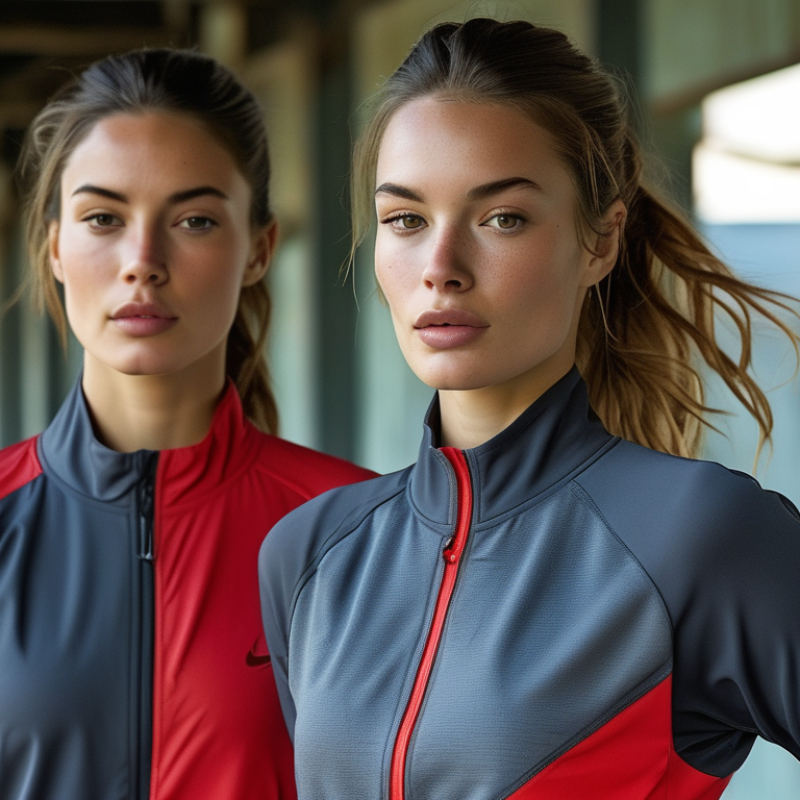
Tracksuits and sweatsuits both serve the purpose of providing comfort and warmth. A tracksuit typically consists of a zip-up jacket and matching pants made from lighter materials like polyester. They often feature bold colors and logos. Tracksuits are popular for athletic activities. Their design allows for easy movement, making them ideal for jogging or working out.
On the other hand, a sweatsuit is primarily made of heavier fabric, usually fleece or cotton. It consists of a relaxed-fit hoodie and sweatpants. Sweatsuits are perfect for lounging at home or casual outings. They offer more warmth and comfort. The fit is often looser, making them a favorite for cozy nights in.
Though they have distinct features, the lines blur sometimes. Some may consider a tracksuit suitable for both athletic and casual wear. Others feel that the sweatsuit lacks the style of a tracksuit. Choosing between them can be subjective. It often depends on personal preferences and activities. Recognizing these nuances is crucial for anyone looking to invest in comfortable and functional apparel.
Tracksuits and sweatsuits differ significantly in the materials used for their construction. Tracksuits typically feature lightweight, breathable fabrics like polyester or nylon. These materials promote airflow and wick moisture away from the body. This is ideal for athletes or individuals engaged in high-energy activities. The shiny finish and smooth texture often add to their appeal, providing a sporty look.
Conversely, sweatsuits are designed for comfort and warmth. They usually consist of thicker, softer materials such as cotton or fleece. These fabrics trap heat and feel cozy against the skin. Sweatsuits are perfect for lounging at home or casual outings. Their bulkiness might make them less suitable for vigorous exercise. Yet, they provide the comfort many seek in relaxed environments.
It's essential to consider personal needs when choosing between the two. Tracksuits offer better functionality for intense workouts. Sweatsuits, however, prioritize comfort and warmth for everyday activities. Both have their merits and drawbacks, allowing individuals to reflect on their lifestyle choices when selecting appropriate attire.
Tracksuits and sweatsuits may seem similar, but they are designed for different activities. Tracksuits often feature lighter materials that promote breathability and speed. Athletes frequently wear them during training or warm-ups. Whether on a track or field, they provide comfort without bulk.
Sweatsuits, on the other hand, are made from thicker fabrics. They keep you warm during cold-weather activities. People often wear them for lounging or casual errands. Ideal for lazy weekends or cozy nights at home, they prioritize comfort over performance.
Tips: Choose a tracksuit for active use. Look for moisture-wicking materials. If you want warmth, opt for a sweatsuit. Consider layering your sweatsuit with a light jacket for added warmth outdoors. Whatever you pick, ensure it fits well and allows movement.
Tracksuits and sweatsuits are often confused, but their designs serve different purposes. Tracksuits typically feature a lightweight, breathable material. They are created for athletic performance, making them ideal for running or outdoor workouts. The jackets often have zippers and snug cuffs, promoting aerodynamic efficiency. On the other hand, sweatsuits prioritize comfort. They are usually made from thicker fabrics, providing warmth for a relaxing day at home.
When choosing between the two styles, consider the occasion. Tracksuits are perfect for exercise or casual outings. Their stylish appearance makes them versatile. In contrast, sweatsuits offer plush comfort, making them suitable for lounging or casual gatherings. Try experimenting with layering. A tracksuit with a fitted t-shirt can enhance your silhouette. Alternatively, pair a sweatsuit with trendy sneakers for a laid-back yet fashionable look.
Tips: Opt for lighter colors in tracksuits to stay cool during workouts. Choose dark or neutral tones for sweatsuits if you want a more sophisticated vibe. Don’t shy away from mixing patterns and textures; this can reflect your personality. Each option has its merits, and choosing the right one may require some trial and error. Embrace your preferences and find the best fit for you.
Tracksuits and sweatsuits have distinct styles and uses, but they share common appeal in the fitness and fashion industries. According to a report from the Global Apparel Market, athleisure wear, which includes both tracksuits and sweatsuits, is projected to reach a valuation of over $350 billion by 2024. This trend reflects the growing interest in comfortable yet stylish clothing for everyday wear.
The popularity of tracksuits surged during the 1970s and 1980s, influenced by sports figures and pop culture icons. Tracksuits typically feature zippers and fitted designs, catering to active lifestyles. Meanwhile, sweatsuits often consist of looser fits and softer fabric, prioritizing comfort. Recent consumer preferences show a demand for eco-friendly materials in both categories, aligning with sustainability trends. However, brands sometimes struggle to balance fashion and functionality, resulting in a mismatch between consumer expectations and product offerings.
Throughout the years, the sector has seen an influx of new trends, including retro styles and vibrant patterns. Consumers now seek personalized options, adding to the growing complexity. This need for individuality highlights a potential gap in the market. The challenge lies in creating products that cater to diverse tastes while maintaining quality. As trends evolve, both tracksuits and sweatsuits must adapt to satisfy an ever-changing audience.
This chart compares tracksuits and sweatsuits across different dimensions such as material variety, use cases, popularity, comfort level, and price range. The ratings are on a scale from 1 to 5, reflecting how each category performs in each dimension.
: Tracksuits commonly use lightweight, breathable fabrics like polyester and nylon.
Their materials promote airflow and wick moisture, making them ideal for high-energy activities.
Sweatsuits are usually made from thicker, softer materials like cotton or fleece.
Sweatsuits are great for lounging at home or casual outings due to their comfort.
Yes, tracksuits offer better functionality for vigorous exercise than sweatsuits.
Layering with a fitted t-shirt can improve your silhouette in a tracksuit.
Think about your activity level and the occasion for wearing the outfit.
Tracksuits focus on athletic performance, while sweatsuits prioritize comfort for everyday wear.
Opt for lighter colors in tracksuits to stay cool during workouts.
Yes, pairing sweatsuits with trendy sneakers can create a laid-back yet fashionable look.
In exploring what is the difference between tracksuits and sweatsuits, we can start with their definitions. Tracksuits are typically made from lighter, breathable materials designed for athletic performance, while sweatsuits are often crafted from thicker, warmer fabrics intended for casual wear and comfort.
When it comes to typical uses, tracksuits are ideal for sports activities and workouts, allowing for greater mobility and ventilation. In contrast, sweatsuits are commonly worn for lounging or casual outings, prioritizing coziness. Additionally, style and design differences exist, with tracksuits often featuring sleek lines and sporty elements, whereas sweatsuits tend to have a more relaxed fit. Understanding these distinctions can help individuals choose the right attire for their specific needs and preferences.

Eglin Fashion